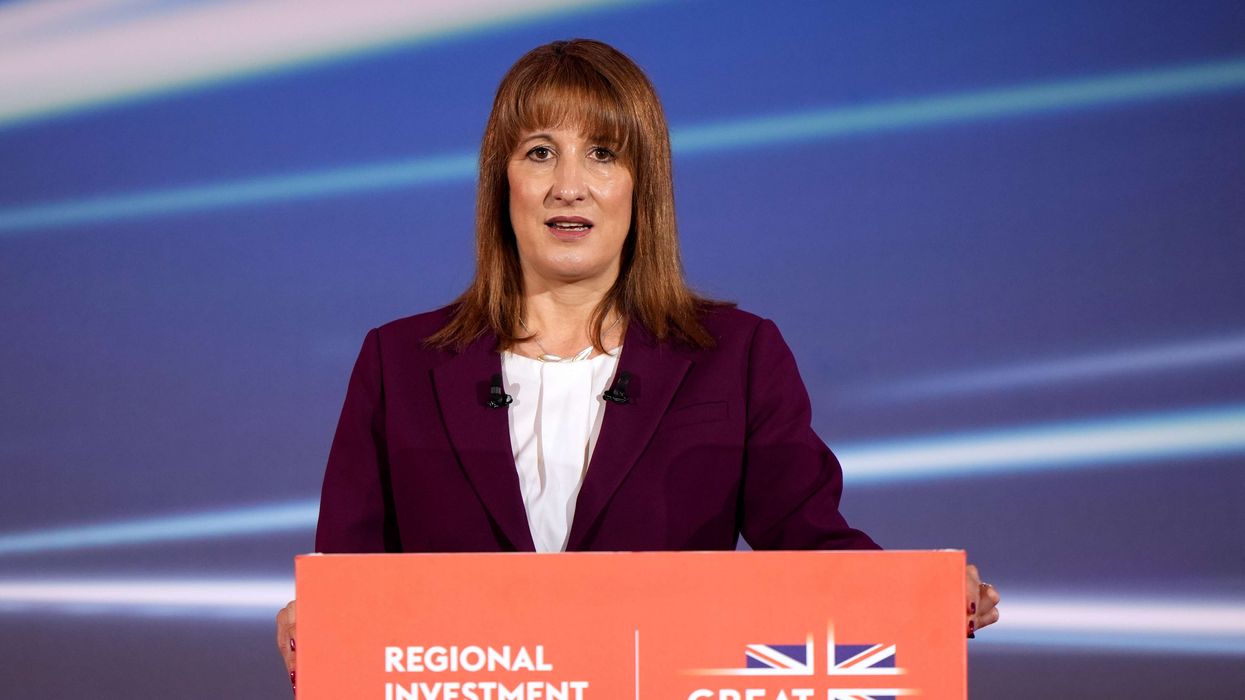

CHANCELLOR Rachel Reeves on Sunday said she did not mislead the public over official forecasts ahead of this month’s budget, stating she had been clear about the need to increase the fiscal buffer.
Reeves had given a speech on November 4, where she referred to a “weaker than previously thought” productivity performance. The remarks were seen as setting the stage to potentially move away from Labour’s pre-2024 election commitment not to raise income tax rates.
On Friday, the head of Britain’s budget watchdog said in a letter that earlier forecasts sent to the government showed the productivity downgrade was offset by higher real wages and inflation, information which Reeves did not include in her speech.
The Office for Budget Responsibility’s confidential forecasts, provided to Reeves before her November 4 remarks, showed she would meet her fiscal rules with a margin of 4.2 billion pounds, excluding any budget decisions or the reversal of welfare cuts made earlier in the year.
Reeves told Sky News on Sunday that increasing that buffer was her focus, saying the surplus was too small by historical standards and that she wanted to give the Bank of England room to keep cutting interest rates.
“The just over 4 billion pounds surplus was not enough,” she said. “The headroom would not have been enough, and it would not give the Bank of England space to continue to cut interest rates.”
When she presented the budget on Wednesday, Reeves had expanded her headroom against the fiscal rules to 21.7 billion pounds, up from 9.9 billion pounds in her earlier fiscal plan.
The Conservative Party has said Reeves should resign for misleading the public about the economic situation before the November 26 budget.