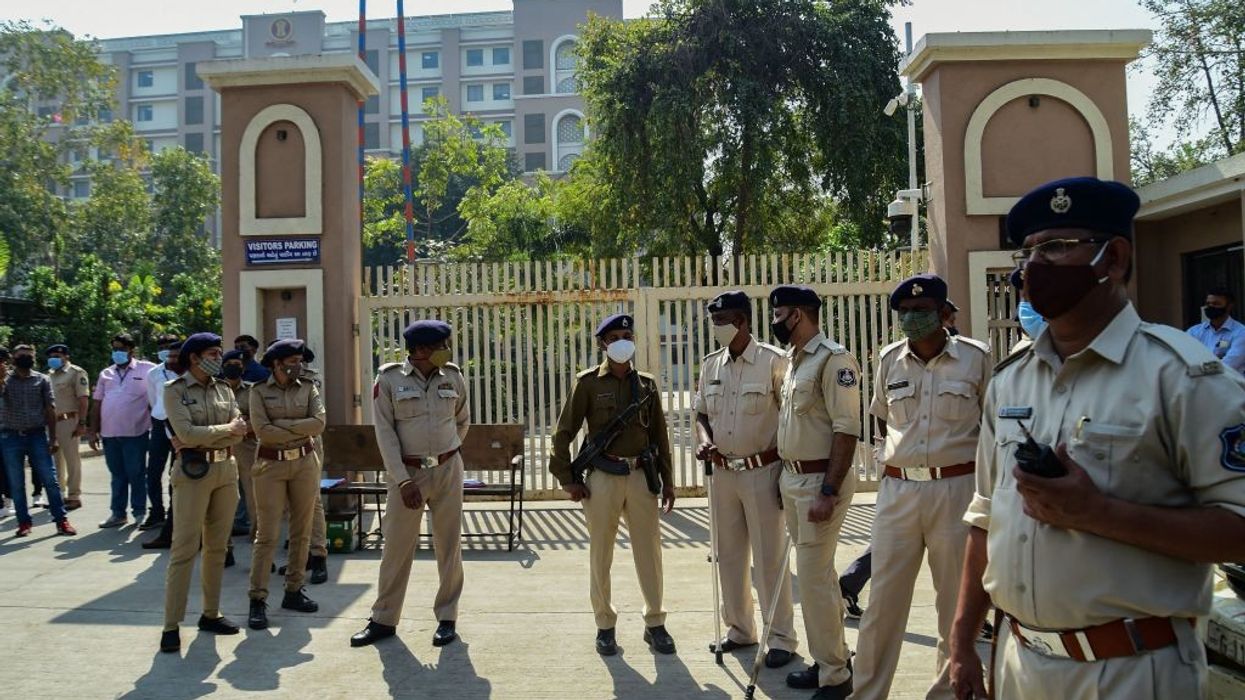

INDIA convicted 49 people over a 2008 attack in the western city of Ahmedabad that left dozens dead, in what perpetrators said was retaliation for earlier deadly communal violence.
The string of bombings killed 56 people and wounded more than 200 others as shrapnel ripped through markets, buses and other public places in Gujarat state's commercial hub.
A special court in Ahmedabad on Wednesday (9) said it will begin hearing arguments on Friday (11) for deciding on the quantum of sentence.
The hearing was deferred after a defence lawyer requested some time to gather documents before the court begins further proceedings in the case.
According to reports, various documents, like medical papers and educational qualifications, will be used by the defence to present a case for seeking a minimum sentence for the convicts.
A group calling itself the Indian Mujahideen claimed responsibility and said the act was revenge for 2002 religious riots in the area that left thousands dead.
Nearly 80 people were charged but 28 were acquitted, prosecutor Amit Patel told reporters outside an Ahmedabad court.
The remaining 49 defendants were all found guilty of murder and criminal conspiracy with sentencing to be issued on Wednesday, he added.
The marathon trial has lasted nearly a decade, with more than 1,100 witnesses called to testify.
Proceedings were dragged out by procedural delays, including a legal battle by four of the accused to retract their confessions.
Police also foiled a 2013 attempt by more than a dozen of the defendants to tunnel their way out of jail using their food plates as digging tools.
All 77 accused have been held in custody for years, with the exception of one who was bailed after a schizophrenia diagnosis.
Ahmedabad was the centre of deadly 2002 religious riots that saw at least 1,000 people -- mostly Muslims -- hacked, shot and burnt to death.
The violence was prompted by the death of 59 Hindus in a train fire first blamed on Muslims but later ruled to be accidental.
Prime Minister Narendra Modi was then head of the state government and has subsequently been dogged by accusations of turning a blind eye to the violence.
India was rocked by several lethal bomb attacks in 2008 claimed by the Indian Mujahideen group -- with dozens killed in the capital New Delhi and northern tourist city of Jaipur.
In November of that year, 166 people were killed by gunmen armed with explosive devices, in a coordinated assault on hotels and other high-profile targets in Mumbai that was blamed on Pakistan-based militants.
(with Agencies)