Highlights
- Four-day festival runs across Southbank Centre and Ismaili Centre, 20–23 November.
- Music from West Africa to South Asia takes centre stage.
- Opening night tribute to tabla legend Zakir Hussain.
- Ceremony night at Queen Elizabeth Hall features live collaborations, commissions and films.
The Aga Khan Music Awards will fill London with music rooted in Muslim heritage this November, staging a four-day festival that brings centuries-old music into conversation with contemporary practice. Running from 20–23 November, the programme spreads across the Southbank Centre’s Royal Festival Hall, Queen Elizabeth Hall and Purcell Room, and into the Ismaili Centre London, each venue offering a different slice of the festival’s rich musical map.
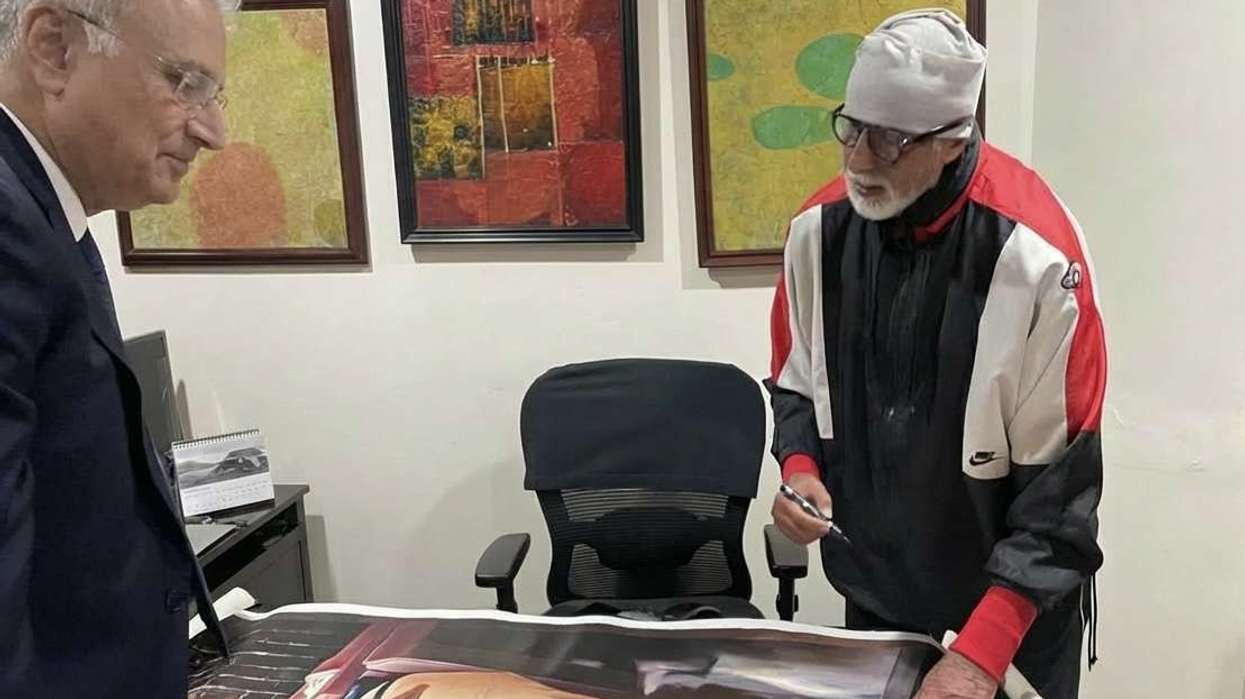
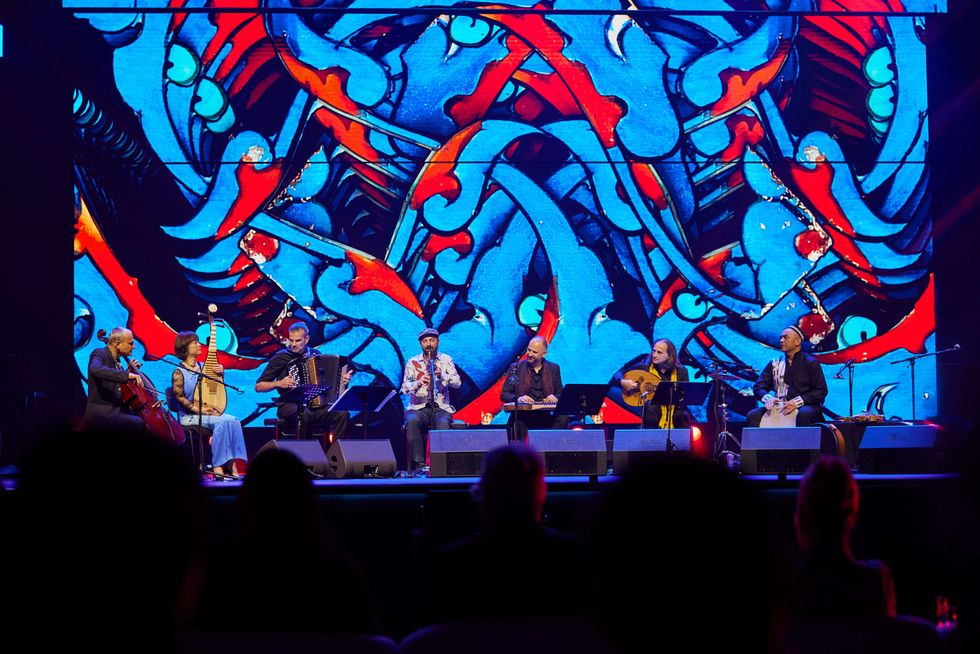 Aga Khan master musicians www.easterneye.biz
Zakir Hussain tribute opens the festival
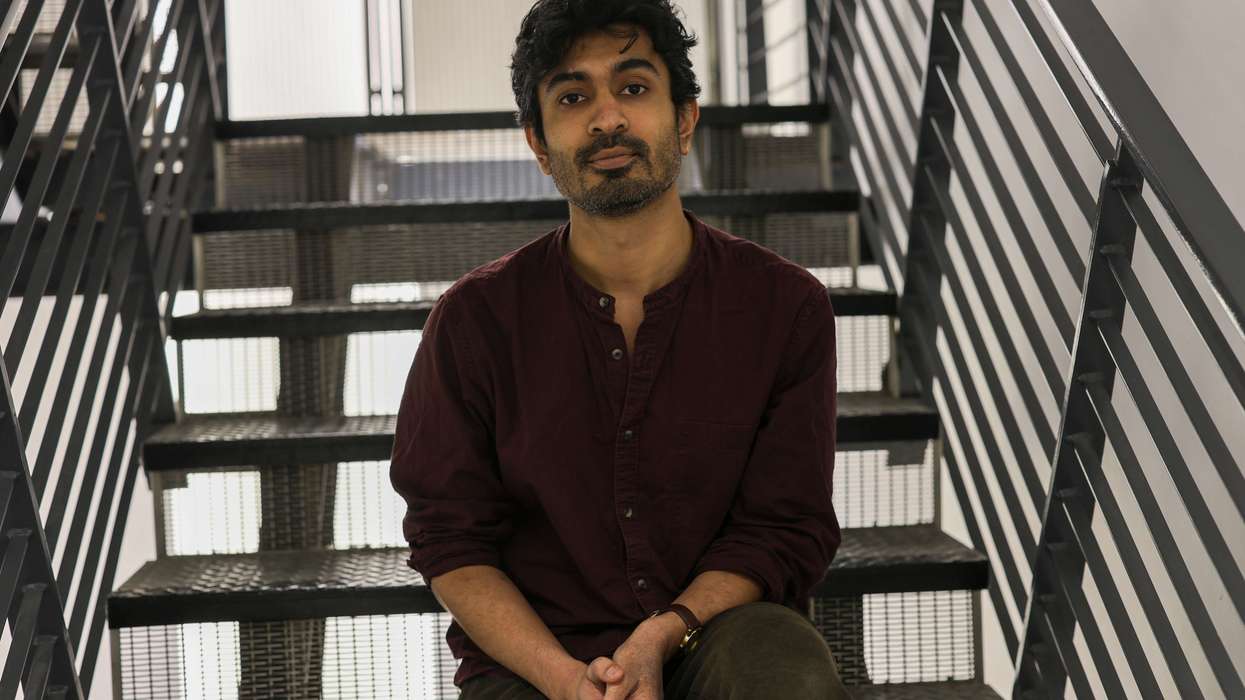
The festival opens with a tribute to tabla legend Ustad Zakir Hussain by the Triveni Quartet; a new work, “Travellers,” by sarod virtuoso and 2022 AKMA winner Soumik Datta; and a finale with Grammy-winning Malian singer Oumou Sangaré performing with the BBC Concert Orchestra.
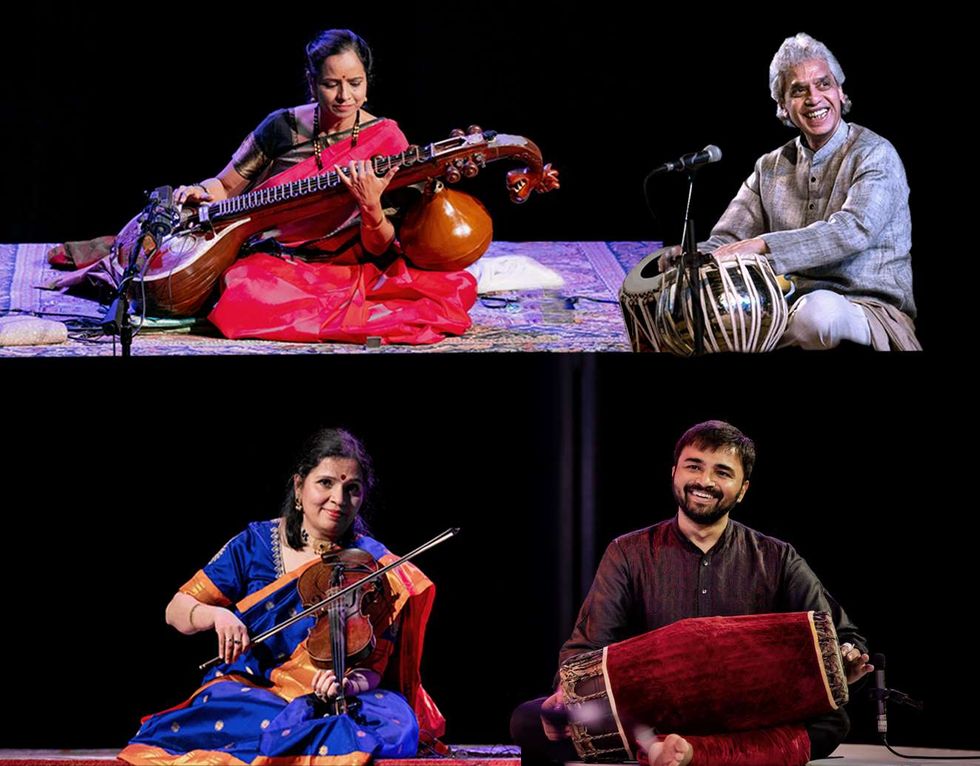 Triveni Quartet
The awards night and the big prize
The main ceremony happens on 22 November at Queen Elizabeth Hall. It features the 2025 laureates, live collaborations, newly commissioned works and short films. The winners, announced on 3 November, will share a £400,000 ($500,000) prize pool plus commissions and global touring support.
Finalists this year represent 16 countries, including India’s Warsi Brothers, Pakistan’s Ustad Naseeruddin Saami, Morocco’s Hamid El Kasri, Mali’s Mariam Bagayoko, Palestine’s Kamilya Jubran and Senegal’s Senny Camara.
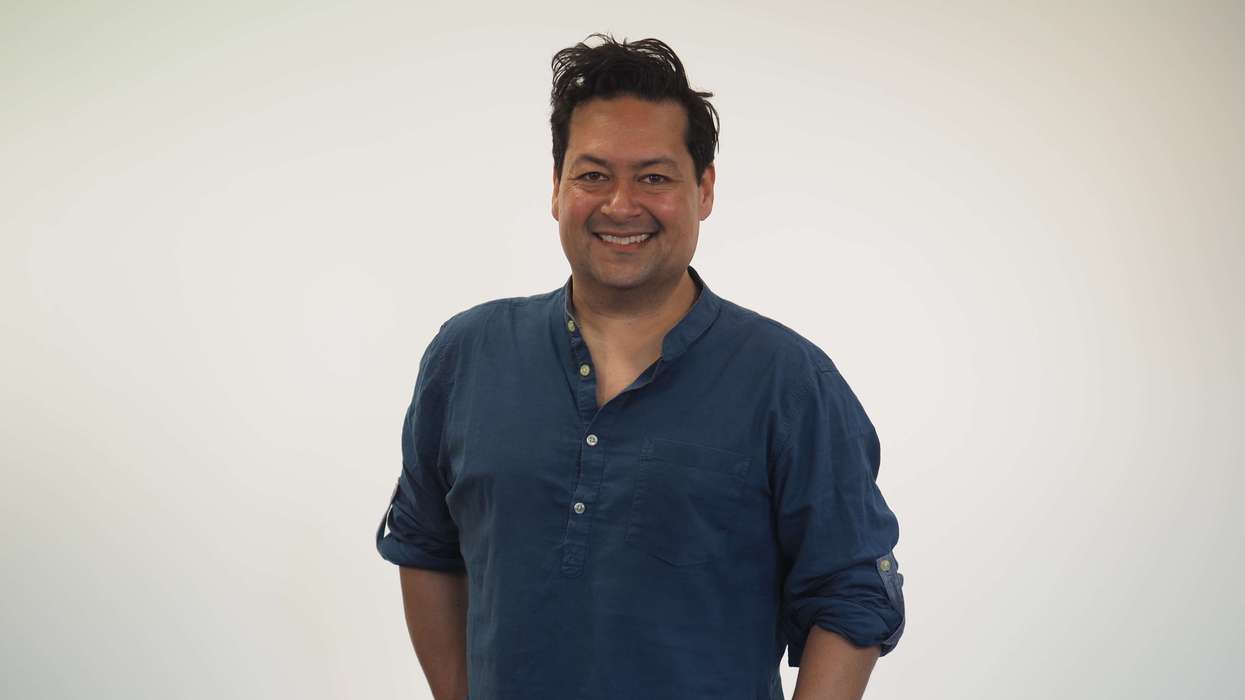
Fairouz Nishanova, director of the Aga Khan Music Programme, said the initiative “fosters dialogue and understanding across cultures.”
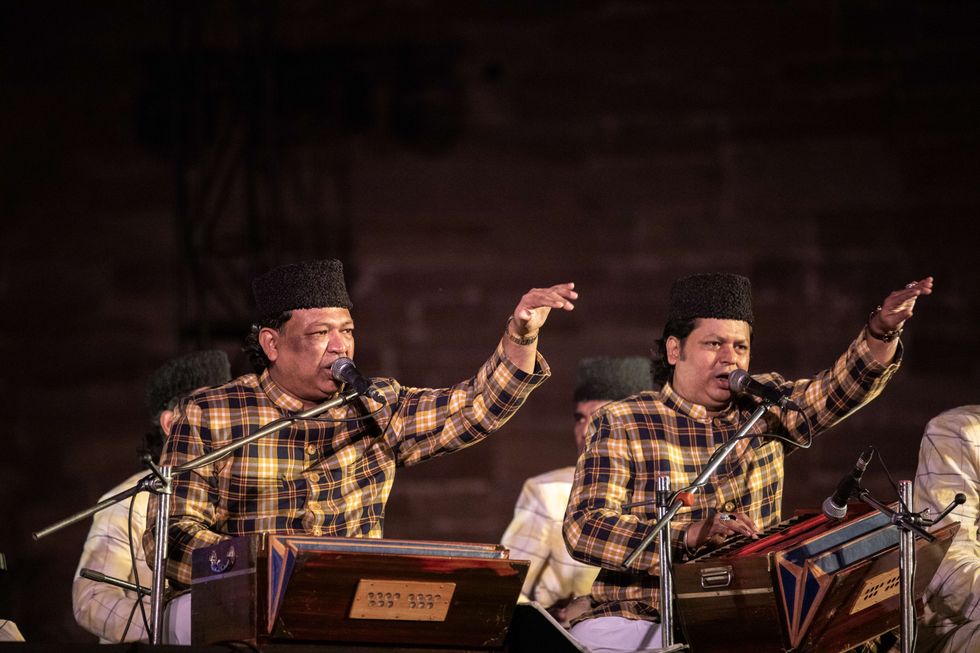 Warsi Brothers
What else to watch for
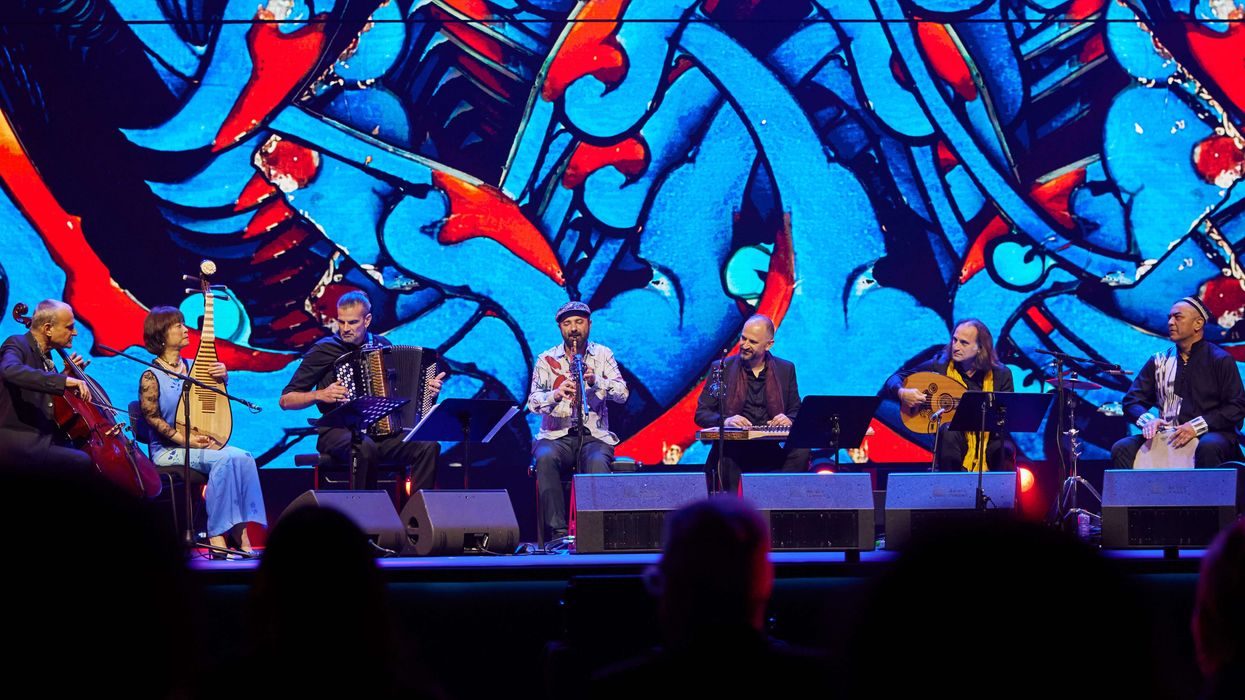
The Royal Festival Hall night on 21 November will feature the Aga Khan Master Musicians performing alongside accordionist Vincent Peirani, the Warsi Brothers, the Saami Brothers, Hamid El Kasri, Karim Ziad and Snarky Puppy’s Michael League.
Free daytime performances by students and alumni from Cairo and Kyrgyzstan take over the Clore Ballroom, keeping the educational focus alive.
The closing acts include Tunisian singer Ghalia Benali at Dingwalls and sarod genuis Soumik Datta presenting Travellers before Grammy-winner Oumou Sangaré wraps things up with the BBC Concert Orchestra.
Tickets are now on sale through the EFG London Jazz Festival website.