
- Vimal Kapur is overseeing the biggest shake-up in Honeywell's 141-year history.
- The industrial giant is splitting into three businesses amid growing investor pressure.
- Honeywell is betting a leaner structure will drive its next phase of growth.
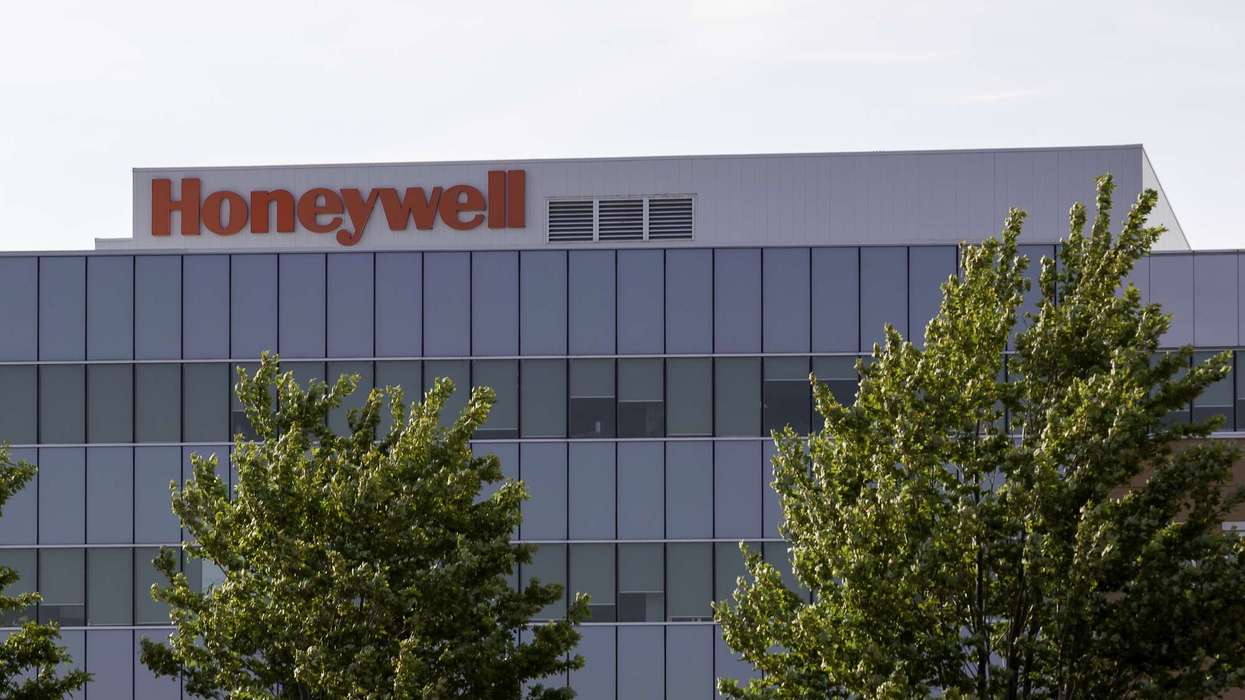
After spending nearly four decades climbing the ranks at Honeywell, chief executive Vimal Kapur is leading the biggest overhaul in the company's 141-year history. The move may seem counterintuitive, but it reflects changing investor expectations, a shifting industrial landscape and a belief that Honeywell's future may depend on becoming smaller rather than bigger.
Most chief executives brought in to break up companies are outsiders. Vimal Kapur is the opposite.
The Indian-born executive joined Honeywell in 1989, selling industrial automation systems before rising through leadership roles across the company's global operations. By the time he became chief executive in 2023, Honeywell had evolved into a sprawling industrial conglomerate spanning aerospace, automation, chemicals, safety equipment and building technologies.
For much of its history, that diversity was considered a strength. Conglomerates were built on the idea that operating across multiple industries could spread risk and create stability. Honeywell followed that playbook for decades, expanding through acquisitions and building one of the most recognisable industrial groups in the US.
But the business world has changed. Investors increasingly favour focused companies with clearer growth strategies and simpler structures. As companies such as General Electric and United Technologies dismantled their conglomerate models, pressure grew on Honeywell to explain why it should remain different.
The turning point came when activist investor Elliott Management built a $5 billion stake and publicly called for a break-up. Yet Kapur has suggested the company had already been exploring that path. Rather than resisting the idea, Honeywell's leadership concluded that separating its businesses could unlock greater value and allow each division to pursue its own growth strategy.
Betting that smaller can be stronger
The planned split will create three separate businesses. Honeywell Aerospace will become a standalone company, while the chemicals division will also be spun off. The remaining business, to be renamed Honeywell Technologies, will focus largely on automation and industrial software.
The logic is straightforward. Aerospace is benefiting from a resurgence in aviation demand and requires investment priorities very different from those of automation or chemicals. Separating the businesses gives management teams greater freedom to pursue opportunities in their own markets without competing for resources inside a larger conglomerate.
The move also reflects a broader shift taking place across industrial companies. Growth is increasingly being driven by automation, software and artificial intelligence rather than traditional manufacturing alone. Honeywell believes a more focused structure will allow it to respond faster to those changes.
For Kapur, the decision carries a personal irony. After spending 37 years helping Honeywell grow into a diversified industrial giant, he is now overseeing its dismantling.
Yet from his perspective, the break-up is less about tearing down the company than preparing it for its next chapter. The challenge facing Honeywell is not preserving the structure that defined its past, but building one capable of competing in a rapidly changing industrial economy.
Whether investors ultimately reward the strategy remains to be seen. What is certain is that one of corporate America's oldest industrial names is undergoing its most significant transformation in generations, led by a chief executive who has spent almost his entire career inside its walls.