
- UK Government borrowing stood at £16 billion in June, slightly below official forecasts.
- Lower debt interest payments and stronger tax receipts helped improve the figures.
- Economists say Britain's rising debt and limited room for extra spending continue to weigh on the public finances.
The UK Government borrowed less than expected in June, offering a welcome improvement in the public finances. But economists say the latest figures are far from a sign that Britain's fiscal challenges have eased.
According to the Office for National Statistics (ONS), UK Government borrowing—the gap between public spending and tax income—stood at £16 billion in June. That was £7.9 billion lower than the same month last year and slightly below the £16.3 billion forecast by the Office for Budget Responsibility (OBR).
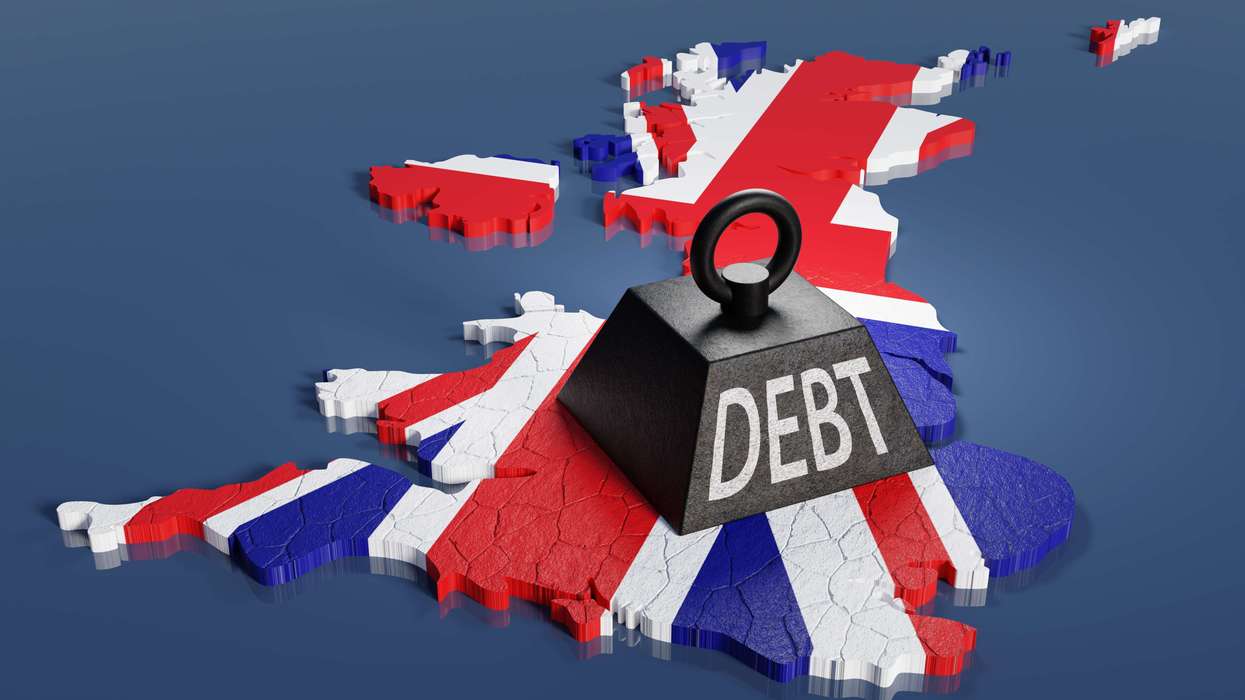
While the figures point to some improvement, analysts argue they do little to change the broader picture. Public debt remains close to the size of the UK's annual economy, borrowing for the financial year is still running ahead of official forecasts, and the Government faces growing pressure to fund new spending commitments without stretching the public finances further.
A welcome improvement, but only on paper
The better-than-expected borrowing figures were largely driven by stronger income tax and VAT receipts, alongside a sharp fall in interest payments on inflation-linked government debt.
Debt interest payments totalled £11.8 billion in June, around £5.3 billion lower than a year earlier. Even so, the ONS said it was still the fourth-highest June figure on record, underlining the continuing cost of servicing Britain's debt.
Borrowing since the start of the financial year has reached £57.6 billion. Although that is £3.7 billion lower than the same period last year, it remains £2.7 billion above the OBR's forecast.
Public sector net debt now stands at almost £3 trillion, close to the annual value of everything produced in the UK economy. Under the Government's broader measure of public sector net financial liabilities, debt stood at £2.7 trillion, equivalent to 84.5 per cent of gross domestic product (GDP) at the end of June.
The bigger concern is what comes next
Economists say those figures leave little room for complacency.
Ruth Gregory, deputy chief UK economist at Capital Economics, reportedly described the latest borrowing data as "a rare piece of good news". However, she also warned that Britain's public finances remain fragile and that there is limited scope for additional borrowing.
Nabil Taleb, economist at PwC UK, reportedly said the combination of high borrowing costs and limited fiscal headroom means even relatively modest policy commitments could have significant consequences. He added that future spending plans would need to be backed by credible funding if the Government wants to maintain confidence in the public finances.
Financial markets are also keeping a close watch on Britain's fiscal position. The yield on the UK's 10-year government bonds briefly moved above 5 per cent this week before easing slightly, reflecting investor caution over the country's borrowing outlook.
The latest figures also come as the Government begins rolling out fresh cost-of-living measures, including the decision to remove VAT from household electricity bills from October 1. While ministers say the policy will be funded through savings elsewhere, economists suggest the broader challenge will be balancing support for households with the need to keep public borrowing under control.
For now, the latest borrowing figures offer some encouragement. But with debt remaining historically high and borrowing still above official forecasts for the financial year, economists believe Britain's public finances have improved only modestly rather than fundamentally.