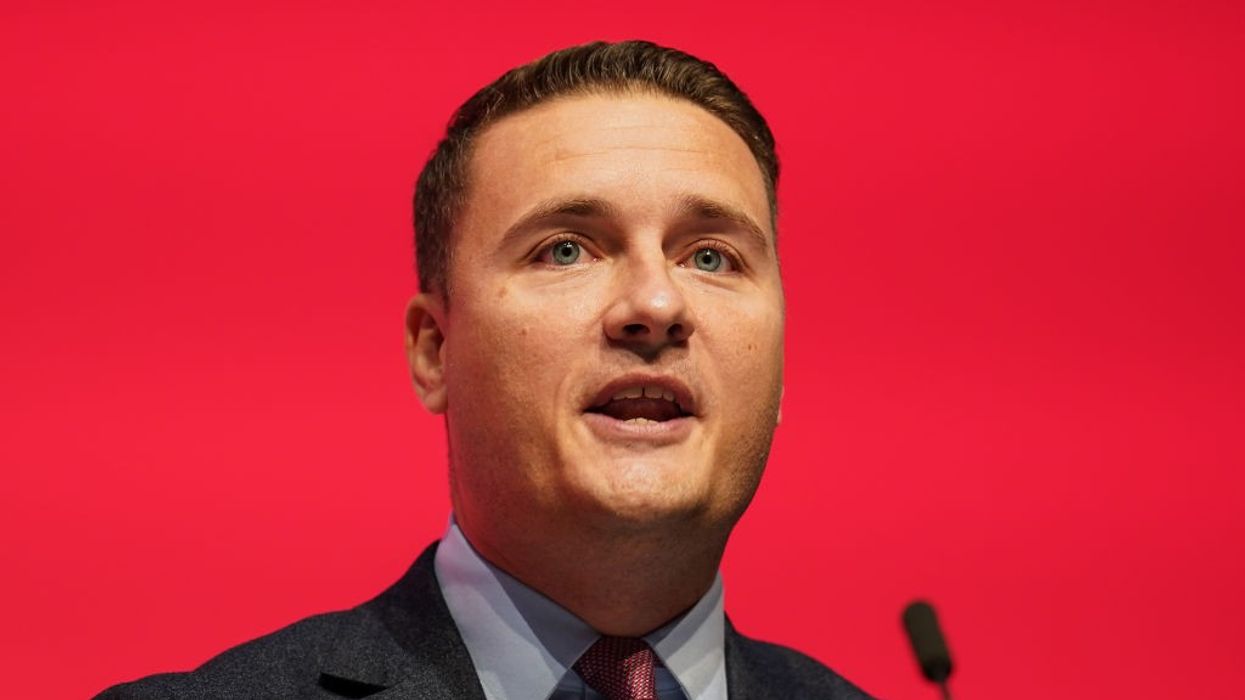

HEALTH SECRETARY Wes Streeting as urged GPs in England to stop their collective work-to-rule action, warning that it is ultimately harming patients.
Speaking at the Royal College of GPs conference in Liverpool, Streeting acknowledged the frustrations doctors may have had with the previous government but asked them to prioritise patient care over protests, the BBC reported.
He stressed the importance of working together to improve the NHS rather than “shutting doors to patients.”
The British Medical Association held a ballot in August, in which 98.3 per cent of the 8,500 GPs who participated voted in favour of work-to-rule action.
This collective action includes strict protocols, such as limiting the number of patients a GP can see in a day to 25 and allowing doctors to stop working once their contracted hours are over.
NHS England warned that this could disrupt not only GP services but also emergency care and delay essential treatments like knee and hip surgeries.
In response, Dr Katie Bramall-Stainer, chair of GPC England at the BMA, pointed out that the health secretary now has an opportunity to offer a fair deal that would secure the future of general practice across England. She called for the government to take meaningful action to address the challenges faced by doctors.
During his speech, Streeting also announced plans to reduce paperwork for GPs, freeing up more time for patient care. This is part of the government's "Red Tape Challenge" aimed at cutting unnecessary bureaucracy.
He stressed his reform agenda, which seeks to modernise healthcare by shifting focus from hospital care to community care, from analogue to digital systems, and from treating sickness to emphasising prevention.
"I'm determined to bulldoze bureaucracy and cut red tape so we can free up GPs. Our reform agenda will deliver three big shifts in healthcare to make the NHS fit for the future - moving it from analogue to digital, hospital to community, and sickness to prevention," he was quoted as saying.
Streeting said that the government would consult with GPs, hospitals, and integrated care boards on the changes they would like to see. The results will be shared with NHS chief executive Amanda Pritchard early next year.
Pritchard acknowledged the immense pressure GPs and NHS staff are under and called for better processes to alleviate this burden.
Streeting’s remarks came after the Labour party conference where he described the NHS as "broken," stirring concerns that such strong language could discourage patients from seeking medical help and damage staff morale.
His comments also follow an agreement with resident doctors, previously referred to as junior doctors, to end their strike action after months of disruption.