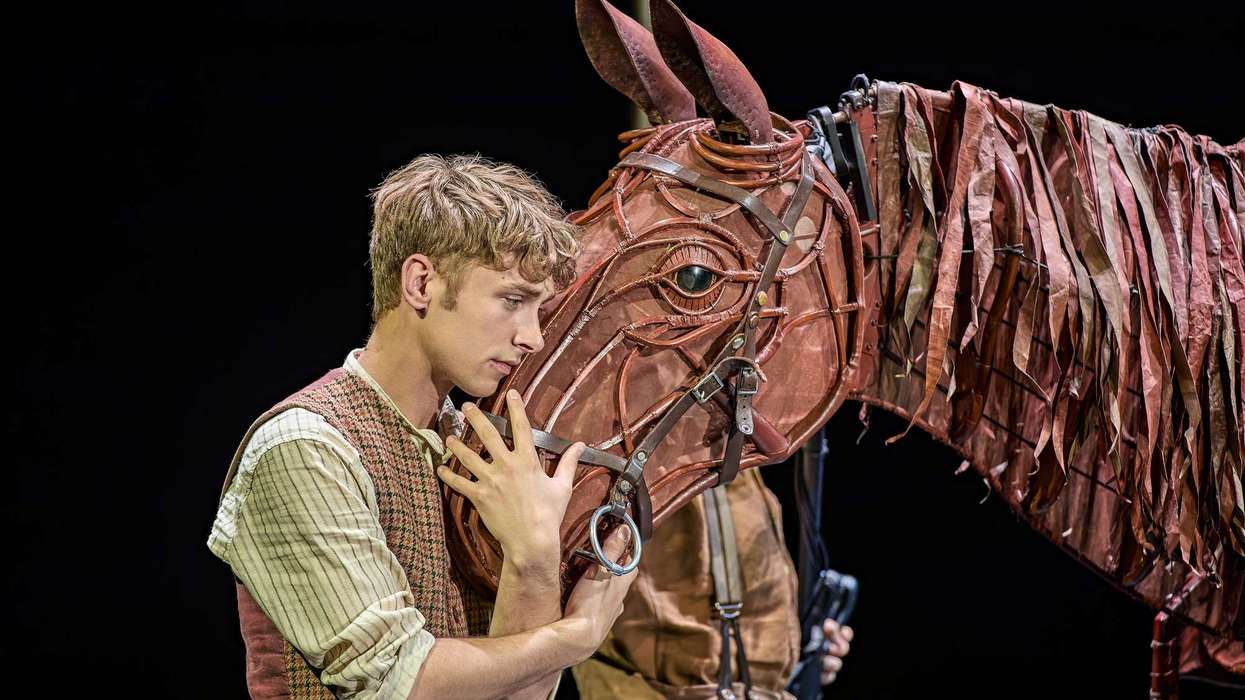

WAR HORSE is not to be missed, especially by families with children aged 10 and over. It looks at the devastation of the First World War through the eyes of a horse, Joey, whose life we follow from the time it arrives on a farm in Devon as a foal.
The puppetry is magical. After a while you forget you are watching puppets made mainly from wicker. Joey, a bright red bay, and his best friend, Topthorn, who is pitch black, quickly take on a life of their own. All credit is due to the puppeteers. It takes three actors to turn the puppets into living, breathing, sensitive creatures that have real feelings.
It made me recall a line from the film Ben Hur when a character protests angrily at the ill-treatment of the horses: “You are treating my horses like animals!”
On the night I saw War Horse in the packed Olivier Theatre at the National, there were plenty of children in the audience.
Joey as a foal is manoeuvred by three puppeteers – Head (Jordan Paris), Heart (Eloise BeaumontWood) and Hind (Anita Adam Gaby). When he grows up, the credit goes to Head (Wade Lewin), Heart (Niko Wirachman), and Hind (Sam Goodchild).
For Topthorn, the puppeteers are Head (Alexander Donnachie), Heart (Chris Milford) and Hind (Andrew Keay).
To repeat the message to Eastern Eye readers, if you have children please take them to see War Horse. It is something they will remember all their lives. But the scenes from the mud of the trenches on the Western Front are so harrowing, they shouldn’t be too young. The National recommends 10 plus.
For grown-ups, War Horse is a real tear jerker in the best traditions of Bollywood.
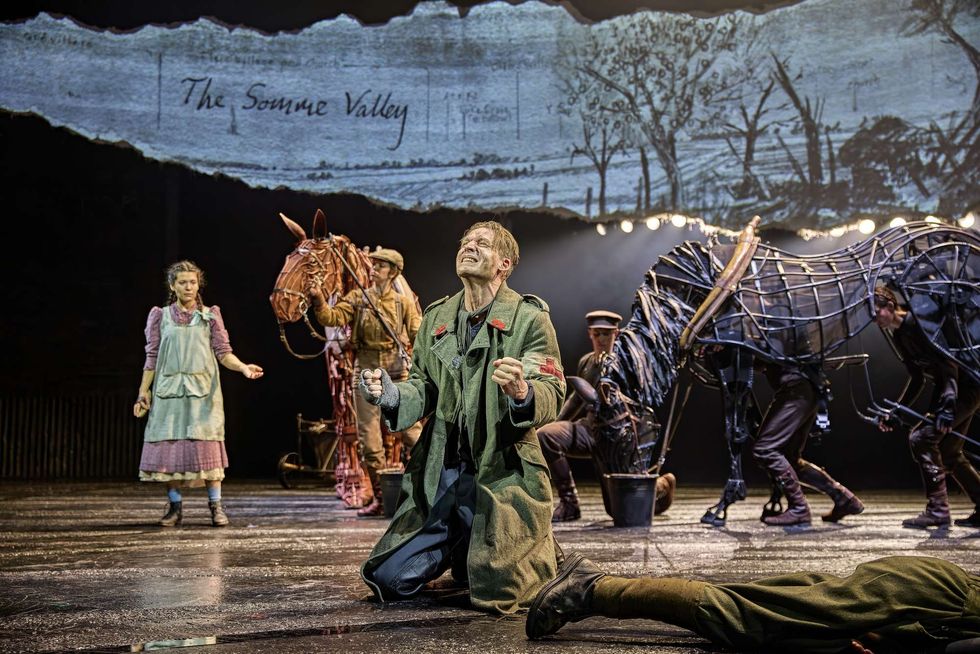 Anita Adam Gabay and Manuel Klein on stageBrinkhoff-Moegenburg
War Horse was first written as a tale for children by British author Michael Morpurgo and published in Great Britain in 1982 by Kaye & Ward. It was adapted into a play at the National in 2007 and then made into film by Steven Spielberg in 2012. The play has now come back to the National nearly two decades after its debut to be witnessed by a new generation.
Morpurgo’s novel was inspired by the grim reality of the First World War, where over eight million horses and mules died. The story’s heart reflects the true, harrowing experiences of soldiers and cavalry horses on the Western Front.
The fictional story is set in the village of Iddesleigh in Devon. Morpurgo was inspired by chatting with veterans in his local pub, as well as a visit to the local village hall where he saw a painting of a horse. This led him to uncover the staggering, often overlooked history of how ordinary farm horses were swept up into the military.
The British Army requisitioned over one million horses from British farms, estates, and racing stables. While the early years of the war featured cavalry charges, most horses spent the majority of the conflict in the mud, pulling heavy artillery, ambulances, and supplies under constant shellfire.
Morpurgo wrote the story from the perspective of a horse to force humans to confront the profound sacrifices these voiceless animals made during mechanised warfare. His tale recounts the experiences of Joey, a horse bought by the Army for service in the First World War in France and the attempts of 15-year-old Albert, his previous owner, to bring him safely home.
According to the National, Morpurgo’s beloved novel, adapted by Nick Stafford and originally directed by Marianne Elliott and Tom Morris, War Horse has become the most successful play in the history of the National Theatre, winning more than 25 major awards including the Tony Award for best play and has been seen by over 8.8 million people worldwide.
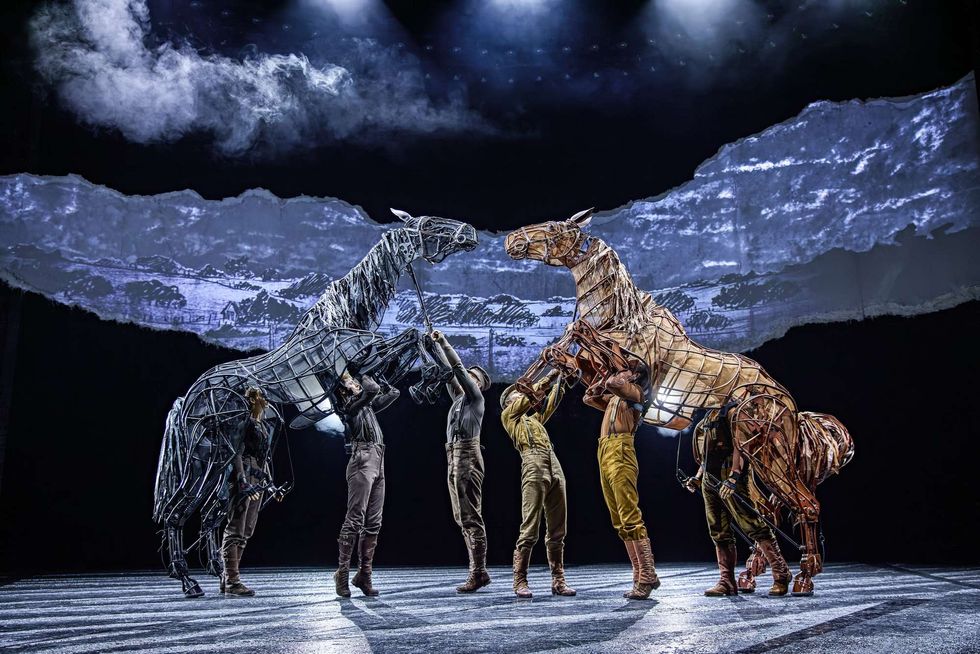 The production’s acclaimed life-sized horse puppetsBrinkhoff-Moegenburg
It says War Horse “is a timeless story of love, courage and friendship, brought to life by astonishing life-sized horses from Handspring Puppet Company and a stirring musical score. At the outbreak of the First World War, young Albert’s beloved horse Joey is sold to the cavalry and shipped to France. Too young to enlist, Albert refuses to forget him, embarking on an extraordinary journey from the fields of rural Devon to the trenches of wartime France – determined to bring Joey home.
“War Horse received its world premiere on October 9, 2007 at the National Theatre, where it played for two seasons before opening at the New London Theatre in March 2009. Since then, War Horse has been seen in over 100 cities in 15 countries, including productions on Broadway, in Toronto and Berlin, with touring productions in the UK and Ireland, North America, the Netherlands and Belgium. Michael Morpurgo’s global best-selling novel has now sold over two million copies worldwide and in 44 different languages.”
This time, Tom Sturgess gives a moving performance as young Albert Narracott. His parents, Ted and Rose Narracott, are played by Stephen Beckett and Jo Castleton.
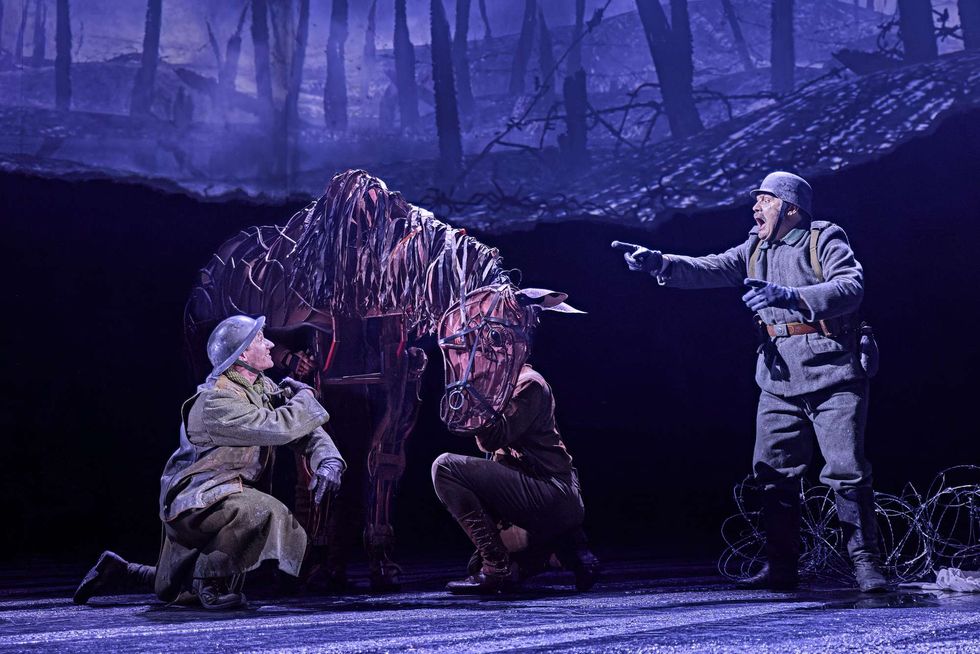 Owen Dagnall, Joey, and Simon StanhopeBrinkhoff-Moegenburg
The story begins when a foal is purchased at an auction for the staggering sum of 39 guineas by Albert’s drunken father who had gone to buy cattle. Instead, he comes home with a foal, who is named Joey by his son. A very close bond develops between Joey and Albert. The father very nearly loses Joey in a bet with a neighbour. As the war begins, the father, lured by the financial offer, sells Joey to the British army for a hundred guineas, much to the dismay of his son. Although not old enough, Albert enlists as soon as he can and embarks on a dangerous journey to find Joey.
The plot unfolds from Joey’s perspective as he experiences the harrowing realities of war from both the British and German sides. The war scenes are enhanced by images on a screen at the back of the stage. Joey changes hands multiple times, serving as a cavalry mount, an ambulance horse, and a draft horse. Along the way, he brings fleeting moments of hope to various soldiers and civilians. There are several black actors in the big cast, sometimes playing senior British officers with clipped accents. Maybe the casting should have reflected the fact that nearly 1.5 million Indian soldiers and non-combatants served the British Empire during the First World War.
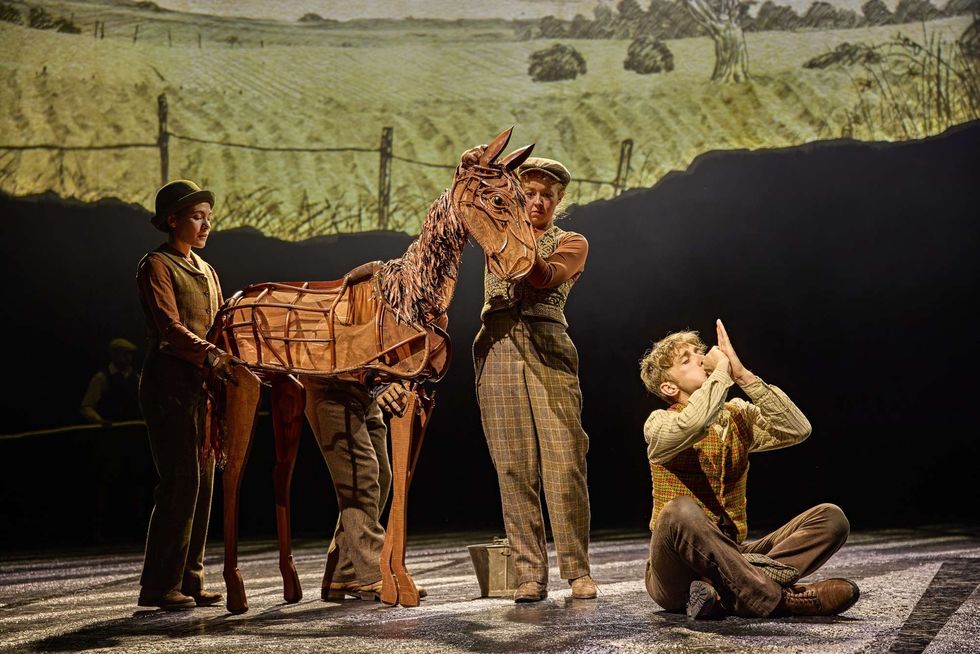 Jordan Paris, Eloise Beaumont-Wood, Anita Adam Gabay and Tom Sturgess Brinkhoff-Moegenburg
Out of this massive volunteer force, at least 74,000 lost their lives.
There is an anti-war message in the play. Manuel Klein, for example, is a dissenting German soldier, Friedrich Müller, who forms a friendship with Anita Adam Gabay’s Emilie, a young French girl. After becoming trapped in barbed wire in No Man’s Land, Joey is rescued by soldiers from both sides. Topthorn dies of a heart attack. Just as the injured Joey is about to be put down, he is reunited with Albert and returns home to England to live out the rest of his days in happy retirement.
War Horse is at the National Theatre until July 30, 2026.


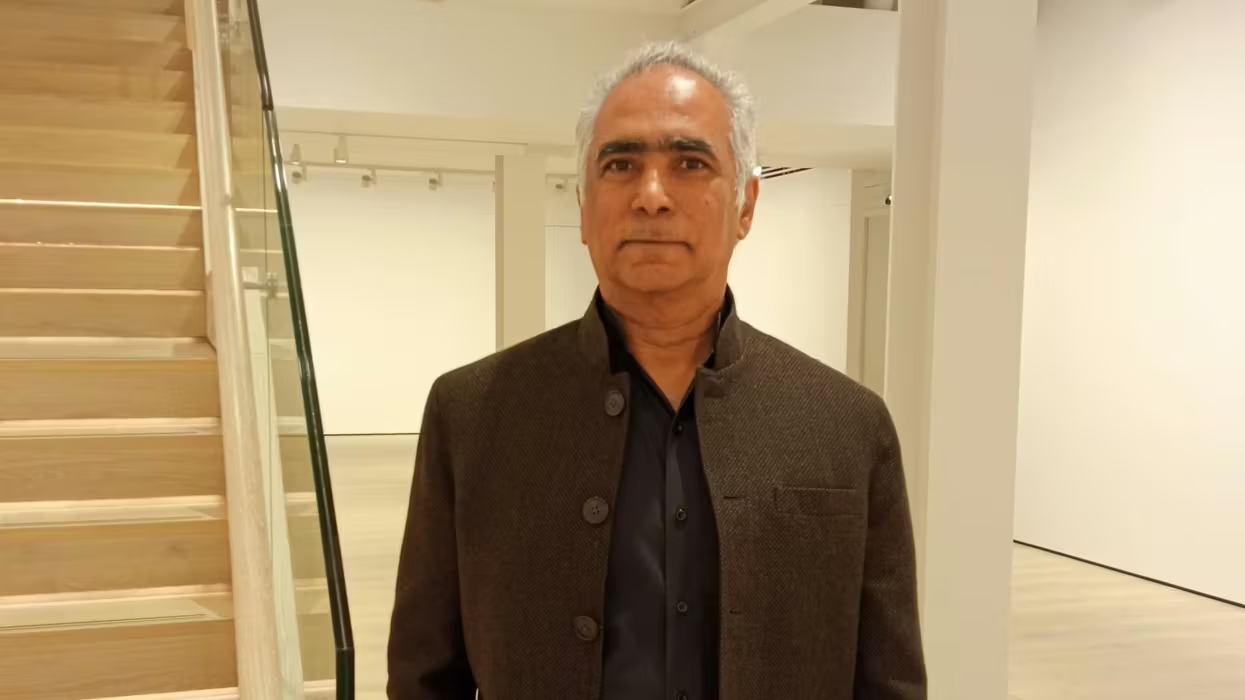
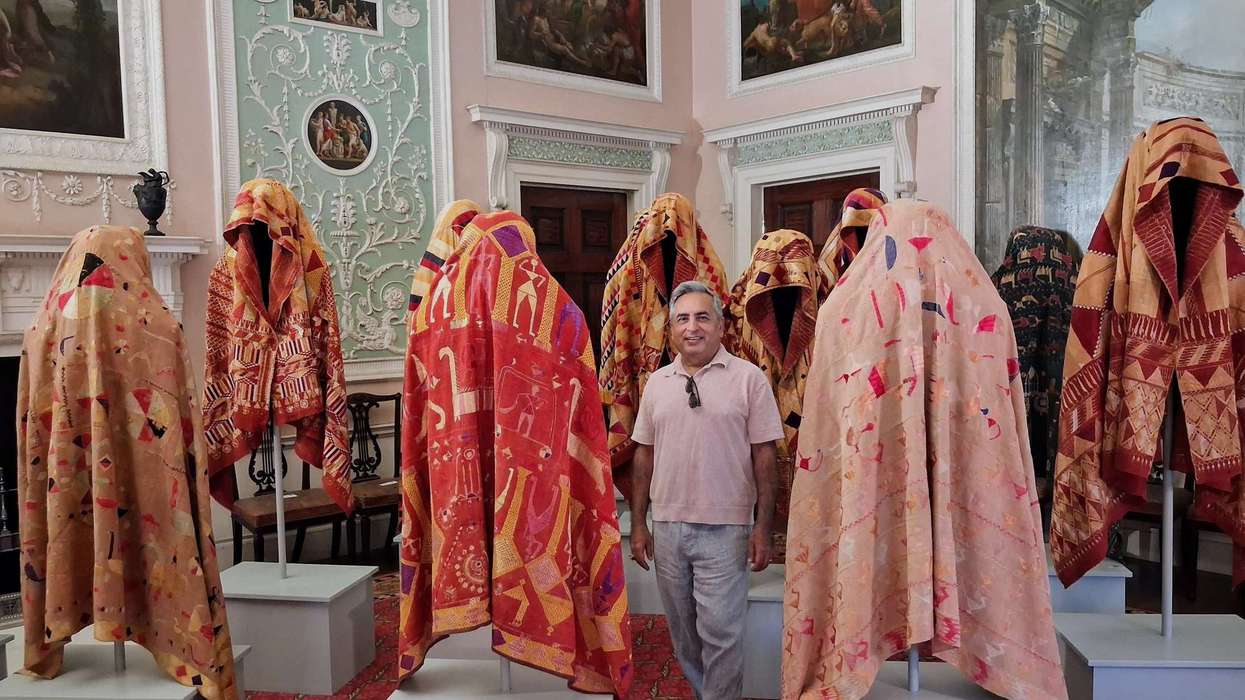
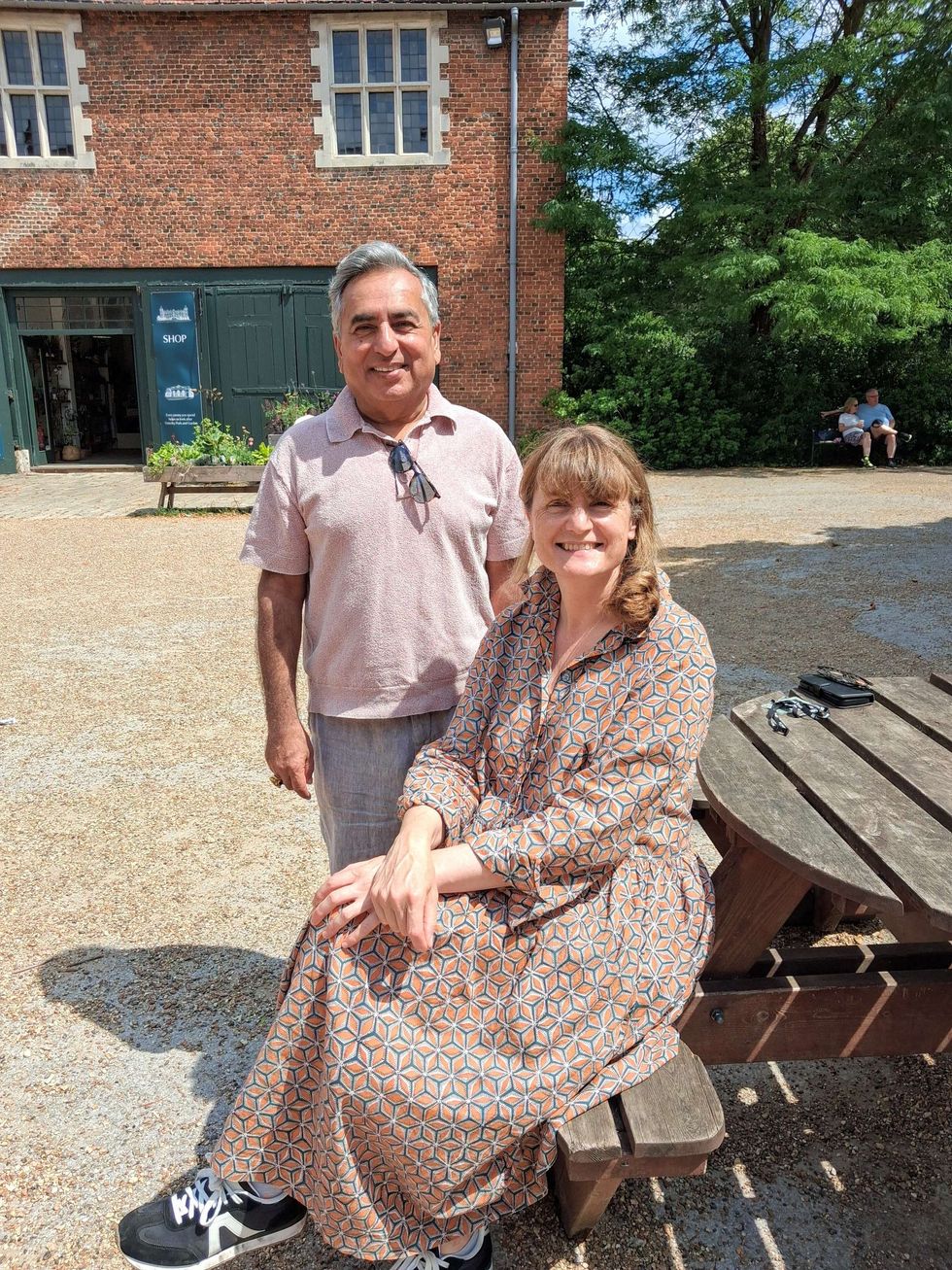 Thakar and Emma SlocombeAmit Roy
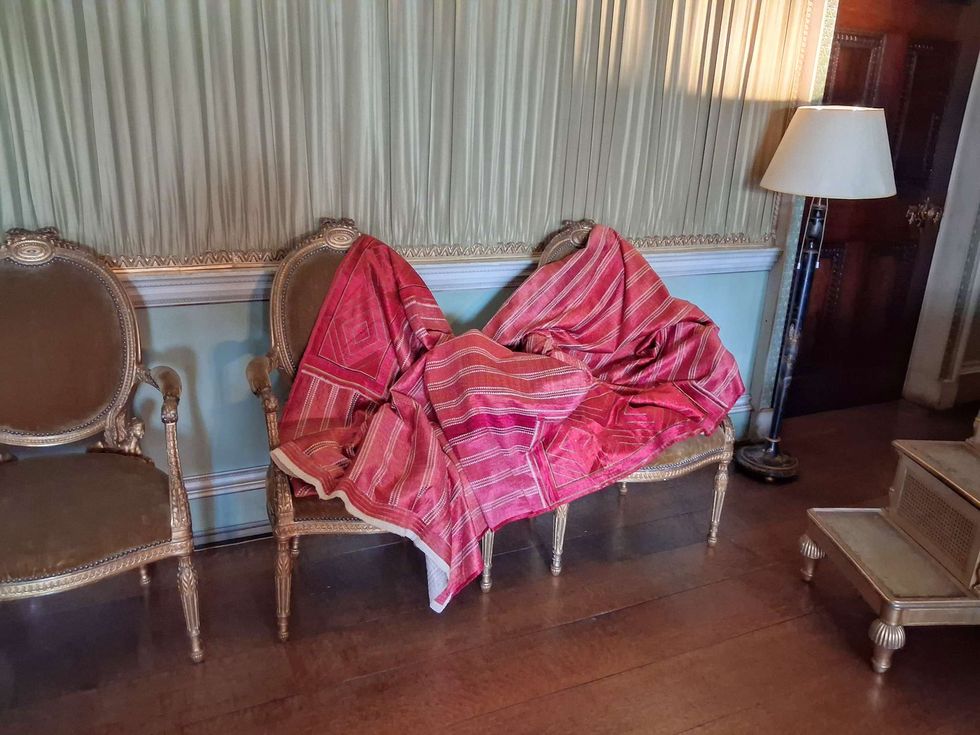 A shawl draped over chairsAmit Roy
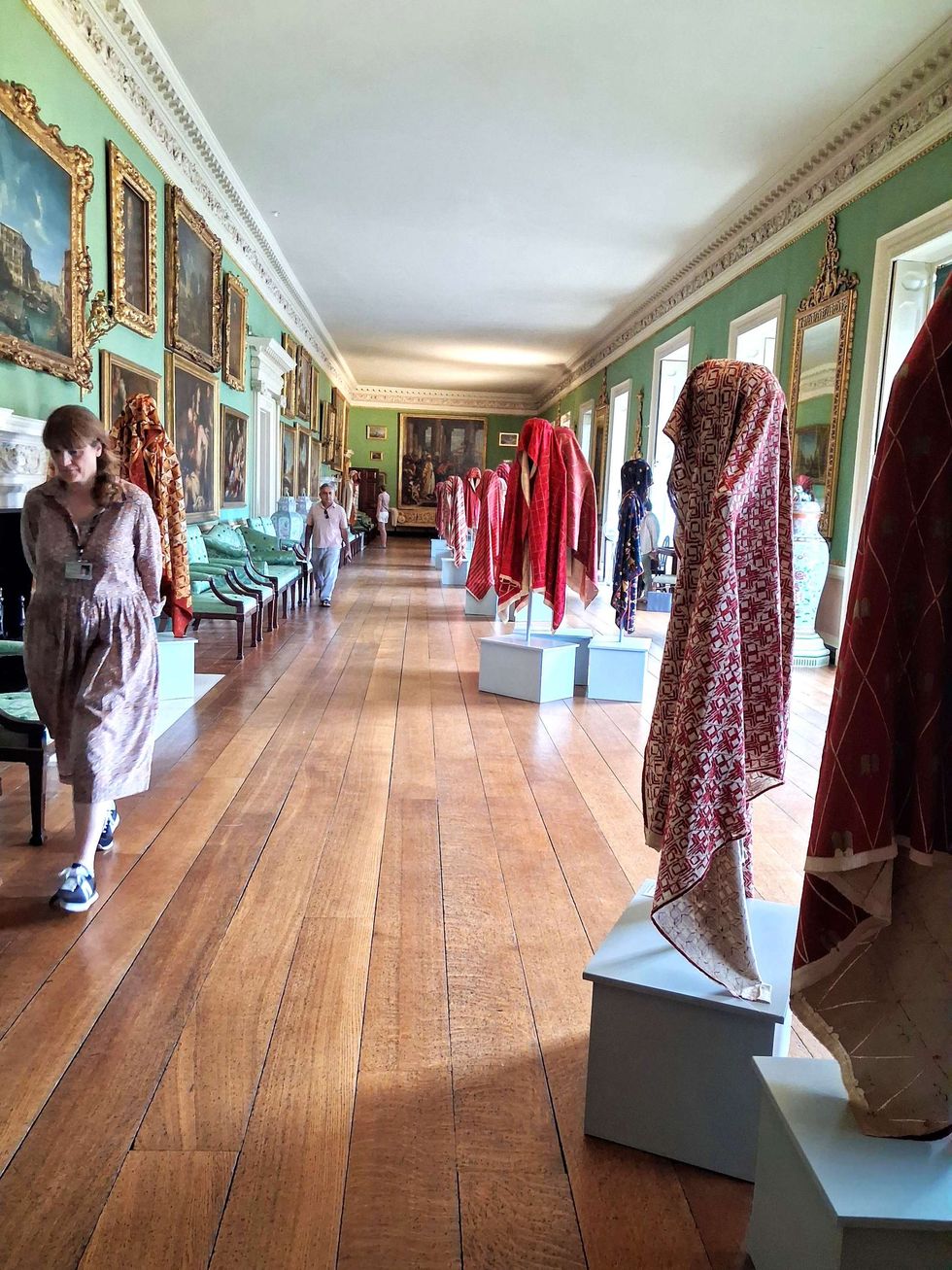 The Long Gallery displayAmit Roy
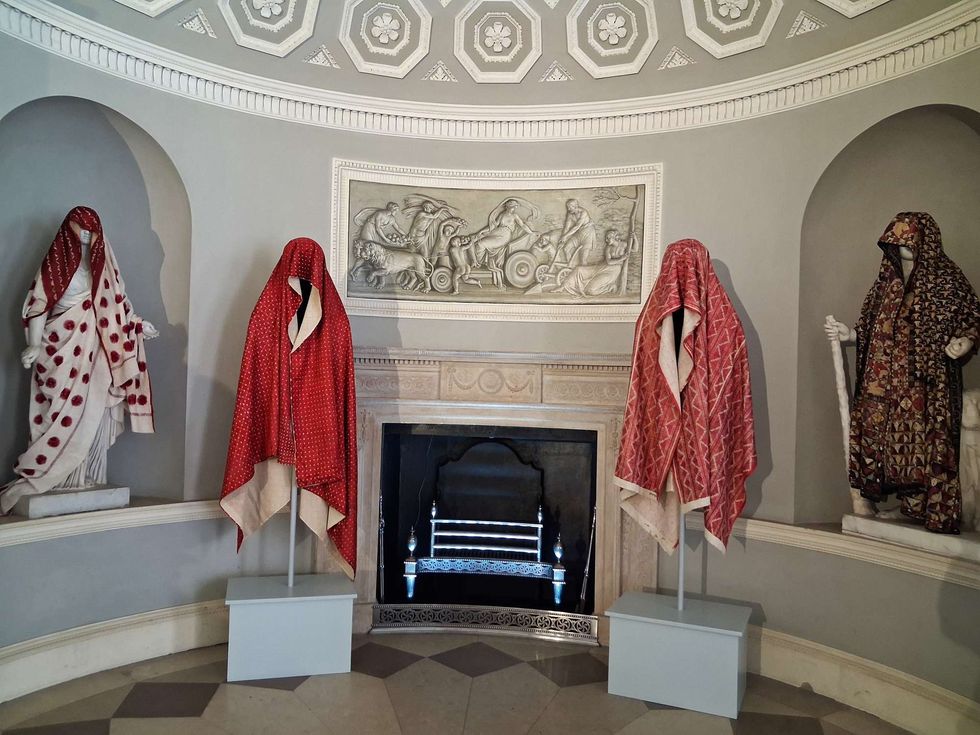 Shawls depicting a bride’s farewellAmit Roy
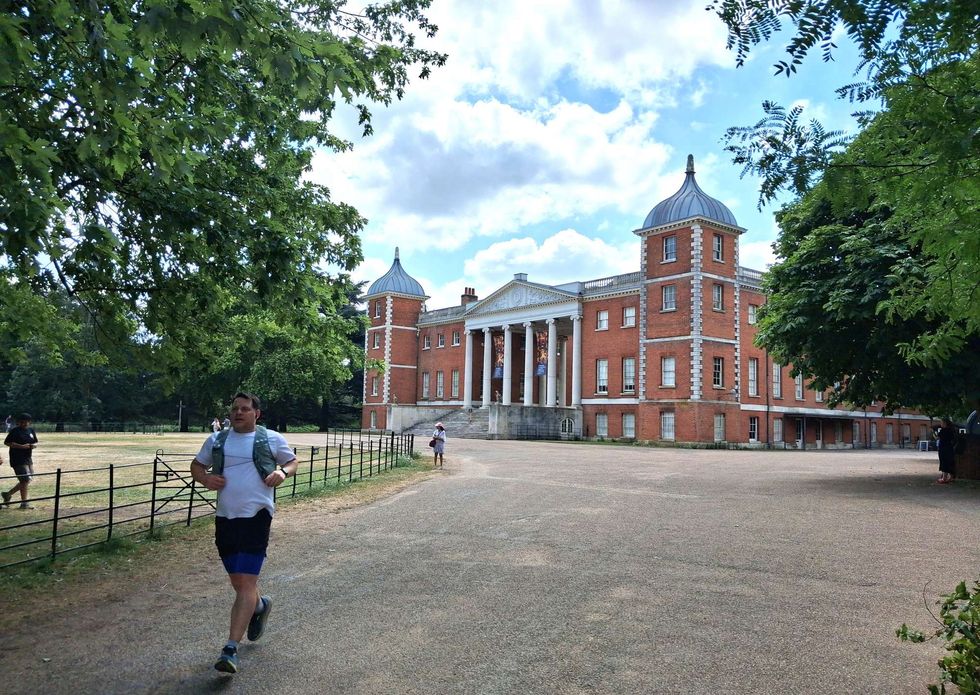 Osterley HouseAmit Roy
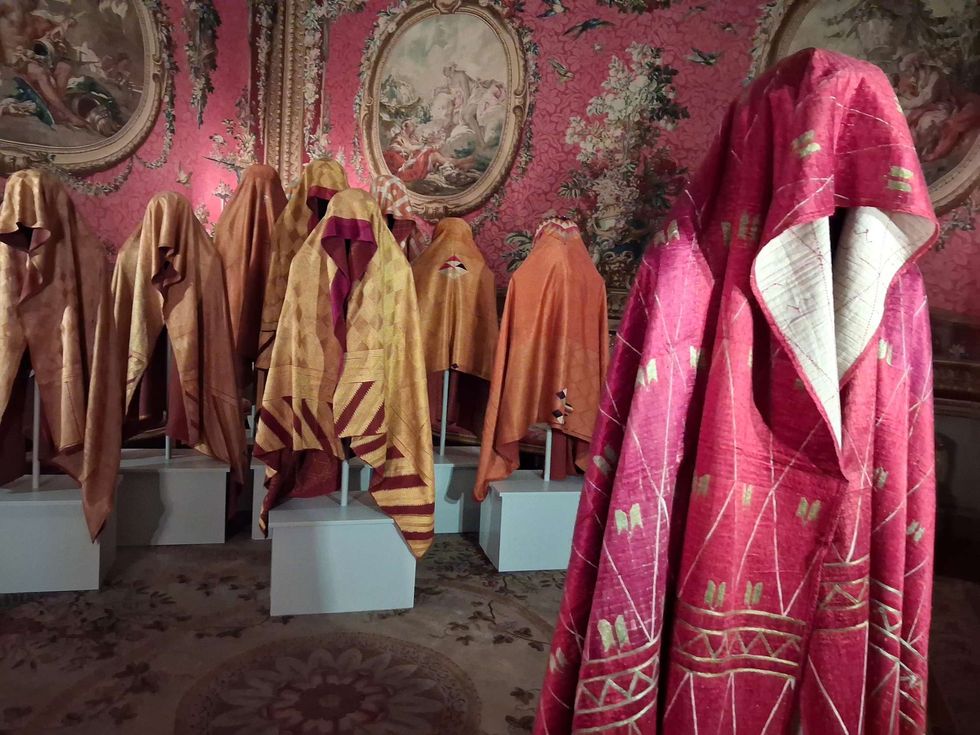 Shawls in the Entrance HallAmit Roy