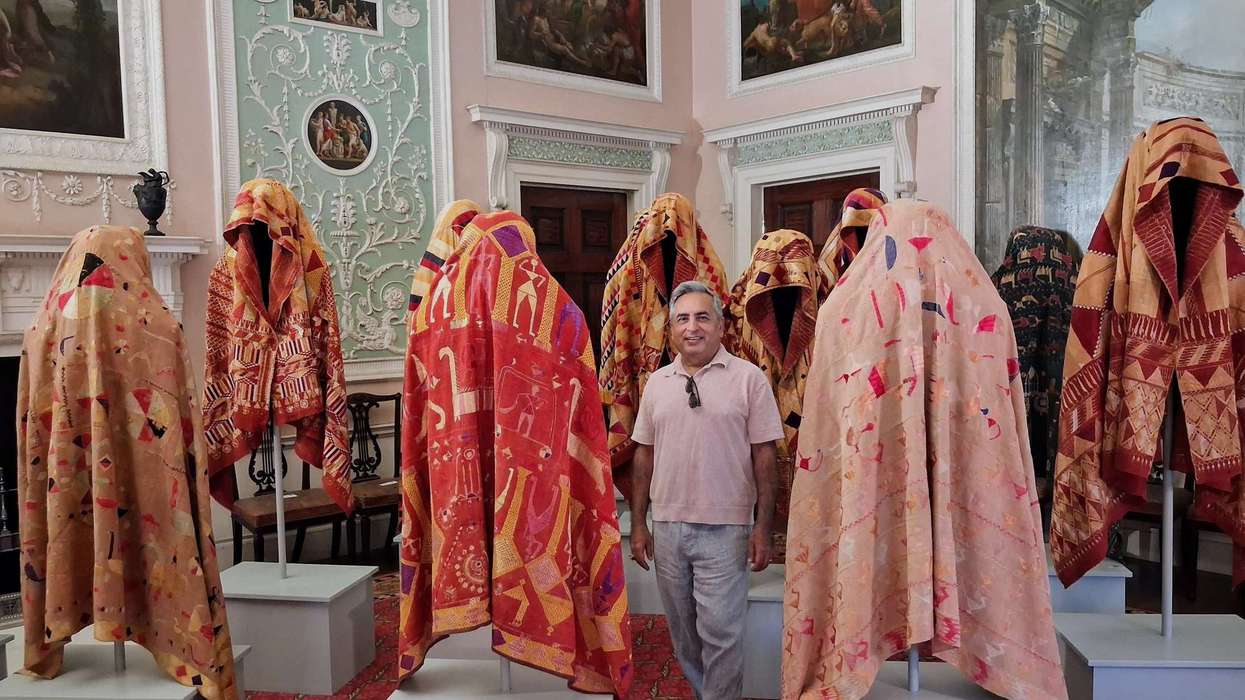

BRITISH Asians have started visiting Osterley Park and House, a National Trust property in west London, to see an exhibition of 70 shawls curated by Karun Thakar from his extensive col lection of textiles.
The shawls, known as baghs in Punja bi, feature in the exhibition, Journeys: Wedding Shawls, Baghs and Phulkaris from the Karun Thakar Collection.
Eastern Eye was given an exclusive tour of the exhibition by Thakar and Emma Slocombe, senior national curator (social history) in the National Trust’s Access and Conservation Directorate.
Since Osterley Park straddles the boroughs of Ealing and Hounslow, its extensive grounds are used by the local Asian community for picnics, walks, school sports activities and wedding photographs.
Thakar said he got the idea of how he might display his shawls after coming across a Sikh wedding party having photographs taken on the steps of the mansion.
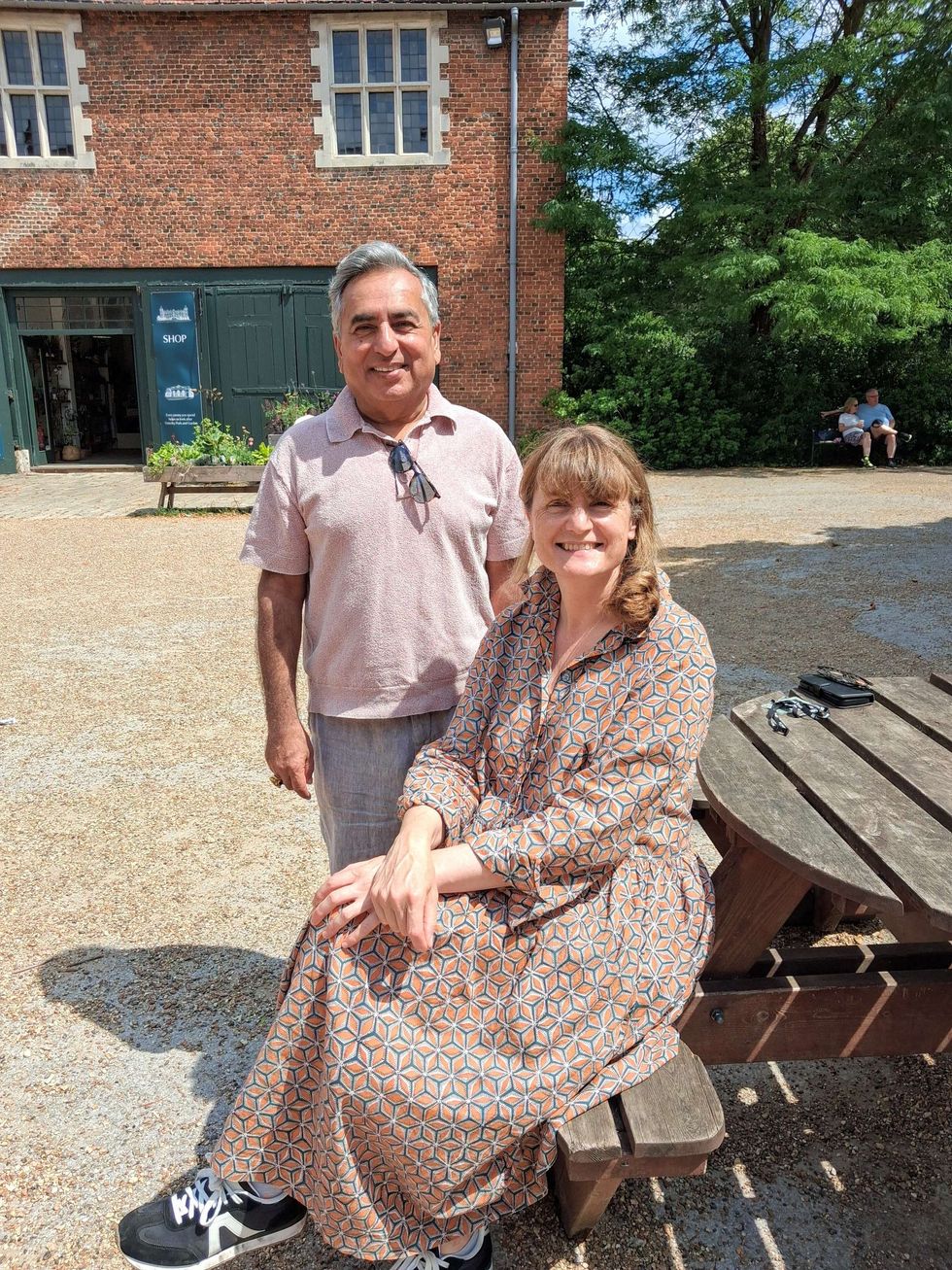 Thakar and Emma SlocombeAmit Roy
But, he said, it was ironic that most Asians appeared unaware that the mansion, which stands in more than 500 acres of parkland, was built by several generations of the Child family, who became wealthy through investments in the East India Company (EIC).
“Local communities don’t know that,” said Thakar. “This area has a large Asian population, but the Indian connection was there (long) before Asians became part of this community.”
Thanks to the wealth that flowed from the East India Company, Robert Adam – the leading neoclassical architect and interior and furniture designer of his day – was commissioned to transform Osterley House into “the palace of palaces”.
The National Trust hopes Thakar’s exhibition will encourage Asians not only to make use of the park, which they already do, but also to explore the treasures inside the house.
Slocombe said the story of how the Child dynasty made its fortunes is set out in great detail in a book called The East India Company at Home: 1757-1857.
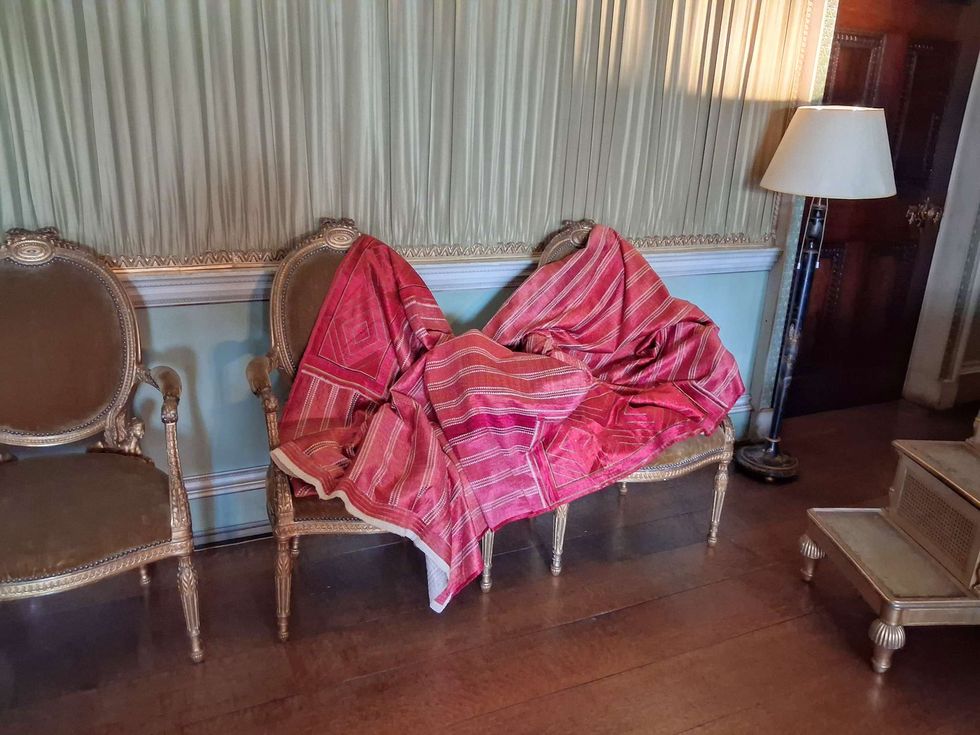 A shawl draped over chairsAmit Roy
Published in 2018 by UCL Press, it was edited by Margot Finn, professor of mod ern British history at University College London, and Kate Smith, senior lecturer in 18th-century history at the University of Birmingham.
Many scholars contributed to the book, which “explores how empire in Asia shaped British country houses, their interiors and the lives of their residents”.
It includes chapters from researchers based in a wide range of settings, such as archives and libraries, museums, heritage organisations, the community of family historians and universities. It moves be yond conventional academic narratives and makes an important contribution to ongoing debates around how empire impacted Britain.
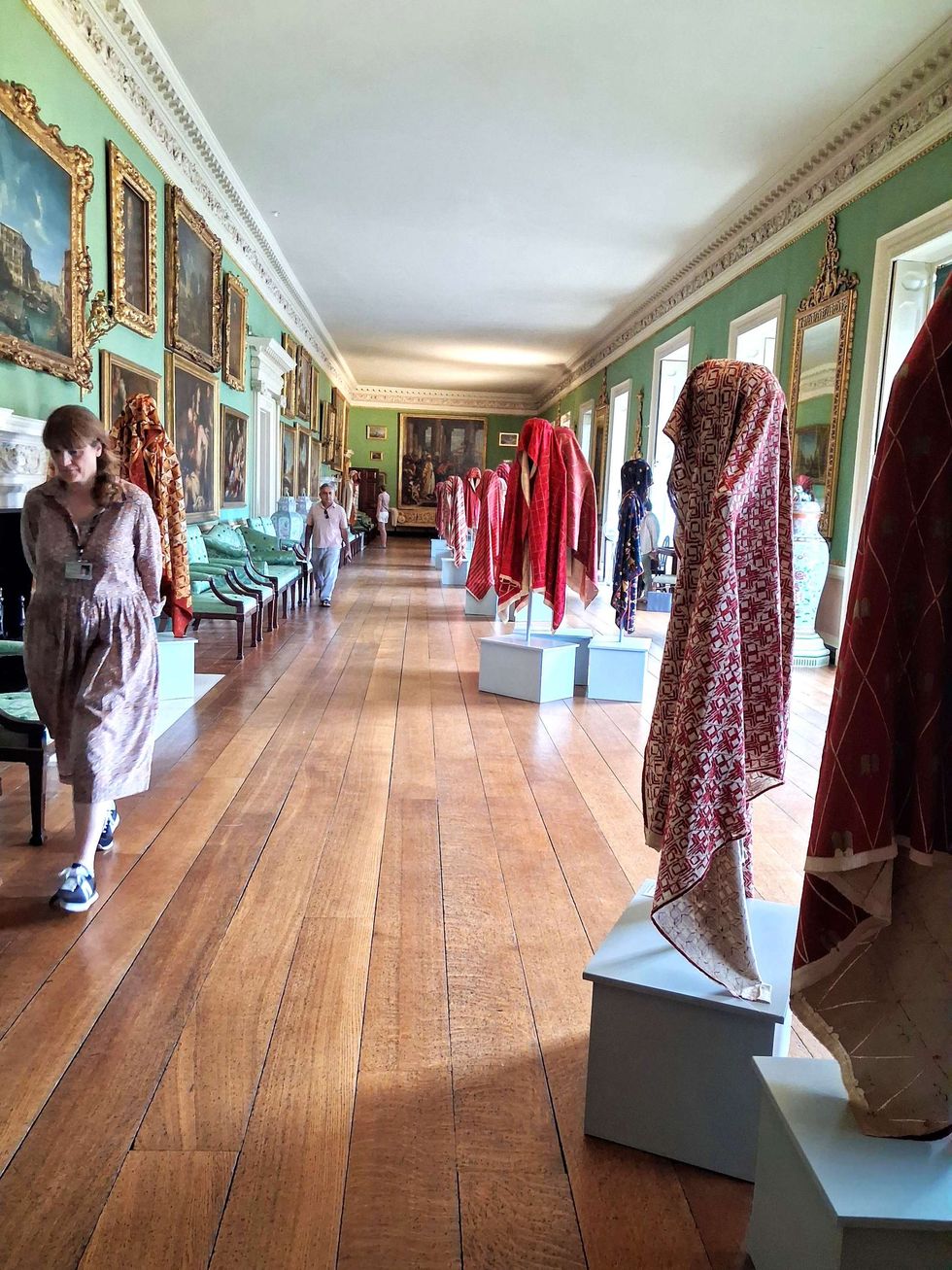 The Long Gallery displayAmit Roy
“The volume focuses on the propertied families of the East India Company at the height of company rule. From the Battle of Plassey in 1757 to the outbreak of the Indian uprising in 1857, objects, people and wealth flowed to Britain from Asia. As men in company service increasingly shifted their activities from trade to military expansion and political administration, a new population of civil servants, army officers, surveyors and surgeons journeyed to India to make their fortunes.
“These company men and their families acquired wealth, tastes and identities in India which travelled home with them to Britain. Their stories, the biographies of their Indian possessions and the narratives of the stately homes in Britain that came to house them, frame our explorations of imperial culture and its British legacies.”
The book argues: “Empire fundamentally shaped elite British country houses in the eighteenth and nineteenth century…. Entangled with fortunes built with Caribbean slave labour, stately homes are domestic sites that embody Britain’s global histories. These histories, often painful and often effaced, deserve to be recovered more fully.”
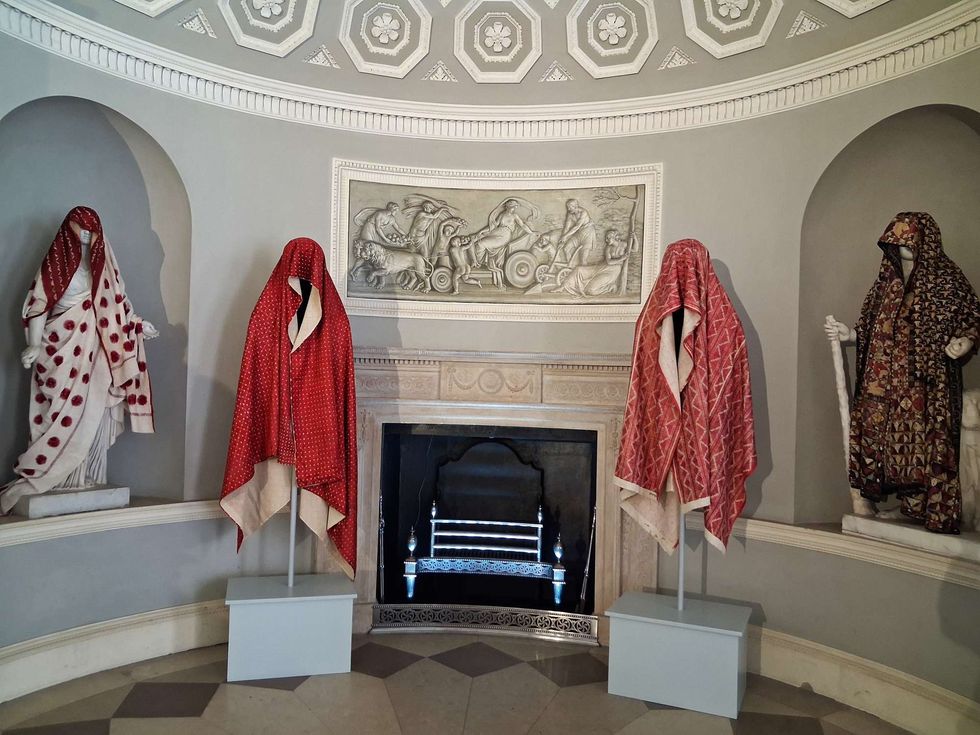 Shawls depicting a bride’s farewellAmit Roy
One chapter, by Yuthika Sharma and Pauline Davies, is focused on “The East India Company and the Indian Ocean material world at Osterley, 1700– 1800”.
The description of Osterley as “the palace of palaces” came from Horace Walpole (1717– 1797), the writer, connoisseur, antiquarian and intellectual.
The authors write: “Walpole’s observations highlight the elevated status of the Child family, and their multi-generation al link with East India Company (EIC) trade and shipping networks in the Indi an Ocean.”
They reveal: “The family’s fortune was founded by Sir Francis Child (1642-1713), initially through his skill and business acumen as a goldsmith, and later by the bank he founded and his and its relationship with the EIC.
“Of the senior partners in the renowned Child & Co. bank, two served as Lord Mayor of London, three were knighted and at least one member of the family sat as an MP… The family-owned bank both financed and profited from the EIC. Shares in the company remained an important source of their wealth throughout this period. We know that the third Francis Child (1735-1763) had EIC annuities worth £32,000 when he employed Robert Adam in 1760.
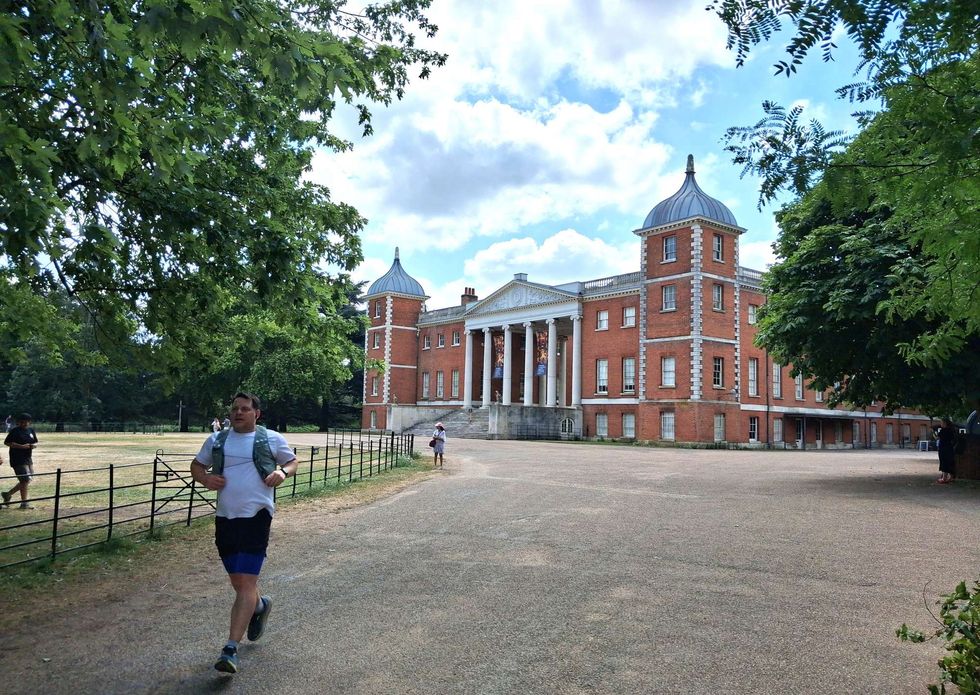 Osterley HouseAmit Roy
“For over 30 years one of the immediate family was a director, while two were investors in ships that carried the goods for a wide and growing consumer market.
“In the second half of the eighteenth century, there were three company ships called Osterley, each of which bore a connection with the Child family.”
Thakar has been subtle in displaying his shawls so that their colours complement the mansion’s interiors. For example, four shawls are draped around classical marble statues in the Entrance Hall.
“It was important to me to bring the actual infrastructure of the house into the installation,” Thakar explained. “The space is so beautiful I didn’t want to take away from the big hall because I love Robert Adam’s architecture.”
Slocombe, who helped with the curation and the installation, added: “This happened in terms of Karun getting an idea, and responding to the space in about half an hour during a very, very busy install. I love the fact that Karun has responded to things like the drapery.”
In the Long Gallery, a breeze wafting through the open windows stirred the shawls wrapped around mannequins, almost bringing them to life, rather like a scene from Tchaikovsky’s The Nutcracker.
Slocombe said: “The Library is the only space where the baghs are shown flat. When they are hung up, they interact with things, like the 18th century gilded books.”
Designs on the shawls included tigers, lions, elaborate wedding jewellery, and dancing figures. There were also abstract designs in 19th century shawls.
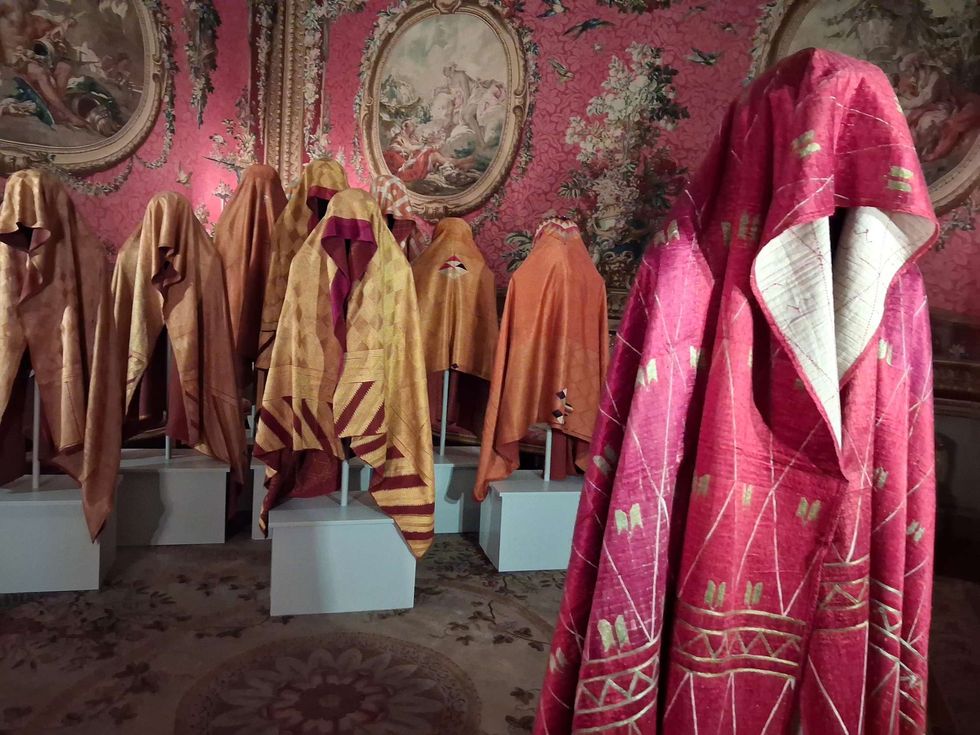 Shawls in the Entrance HallAmit Roy
Thakar, who has been collecting textiles for 45 years, said: “The whole idea of abstractism coming from the west is a myth.”
Shawls are displayed in the Eating Room, the Tapestry Room and the State Bedchamber. In the background, a Punjabi wedding song plays softly, evoking a bride bidding farewell to the women in her family.
Some shawls deliberately include imperfections so the wearer can ward off nazar – the evil eye – a concept familiar across south Asian cultures.
“None of the shawls were for everyday use,” said Thakar. “That’s why they are in such good condition. They were kept for very special occasions and brought out perhaps twice a year. They were treasured and handed down from one generation to the next.”
He summed up: “My work is rooted in history and post-colonial narrative, so it is a critique of history as it is written. But it is also about beautiful things because, ultimately, I want to bring beauty into the house so people come in and are taken aback by it.”

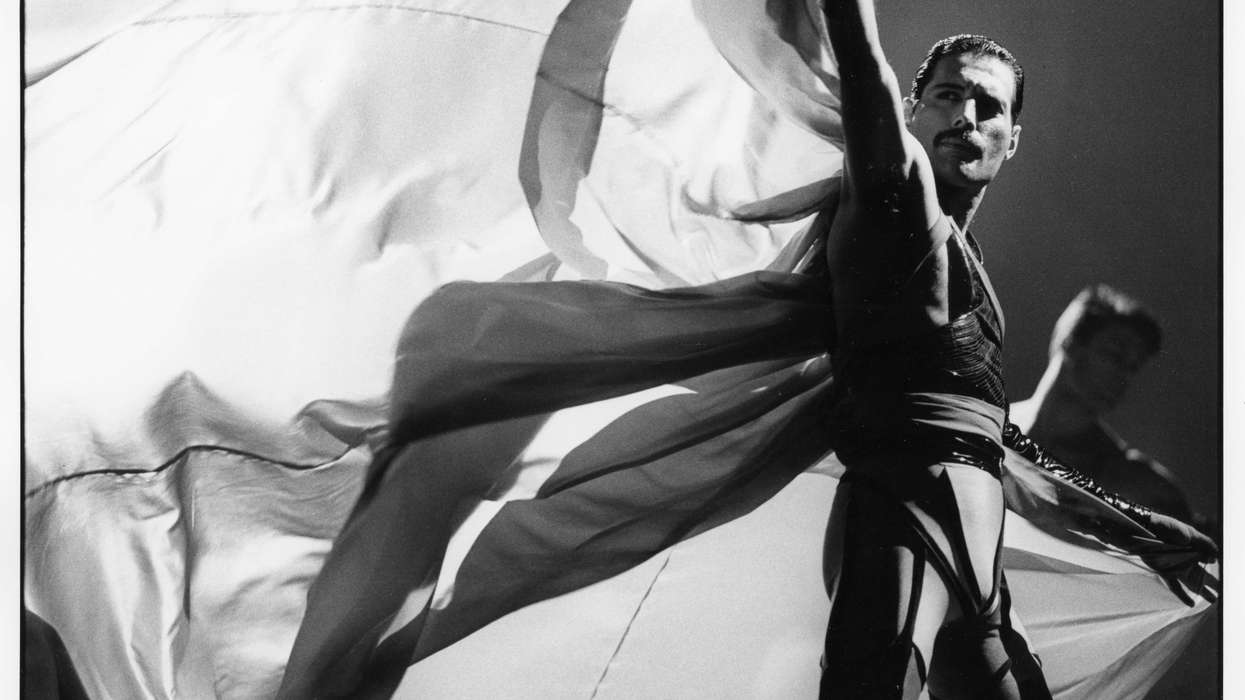
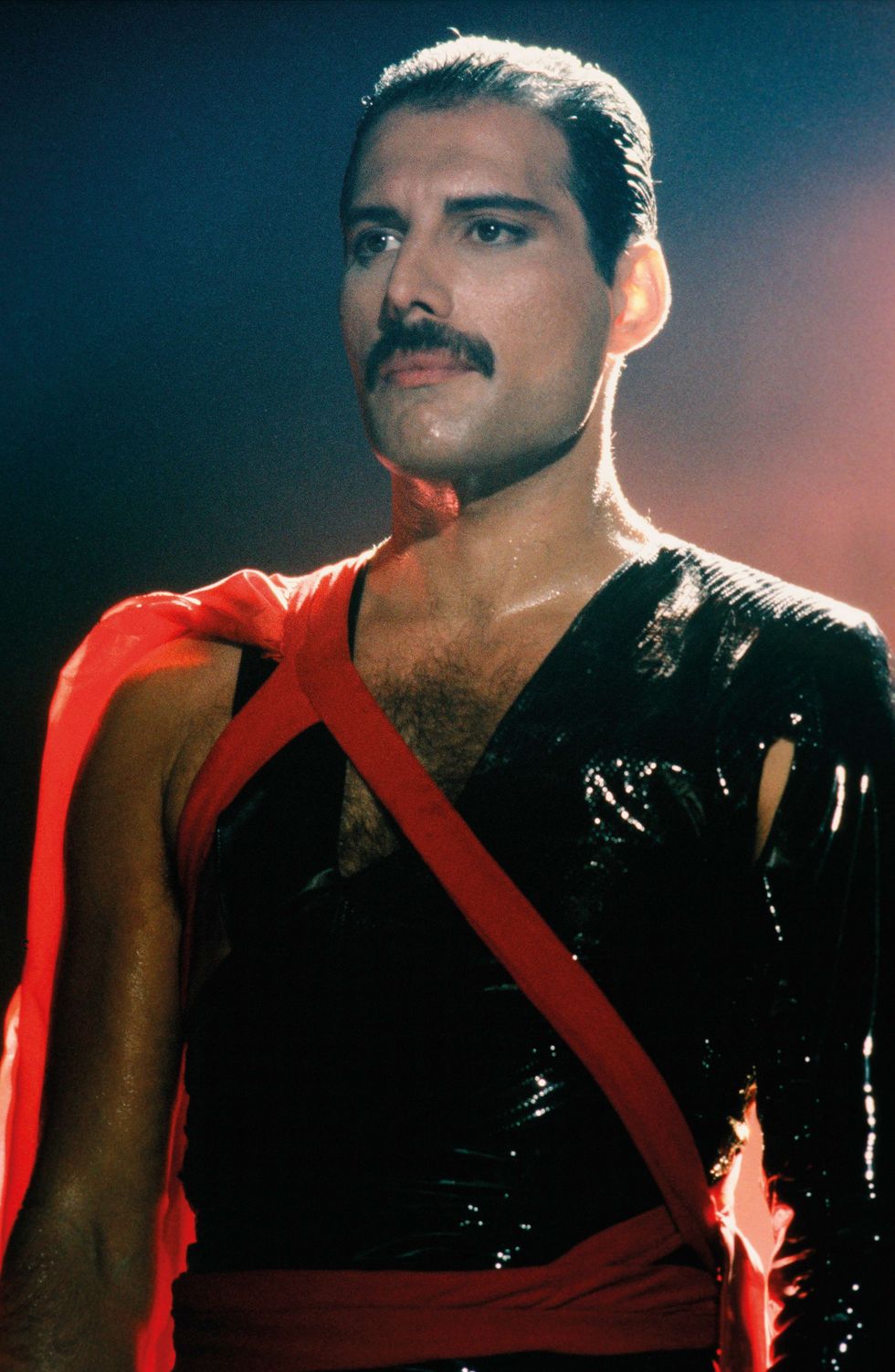 Freddie Mercury in the Made in Heaven music videoSimon Fowler © Mercury Songs Ltd
 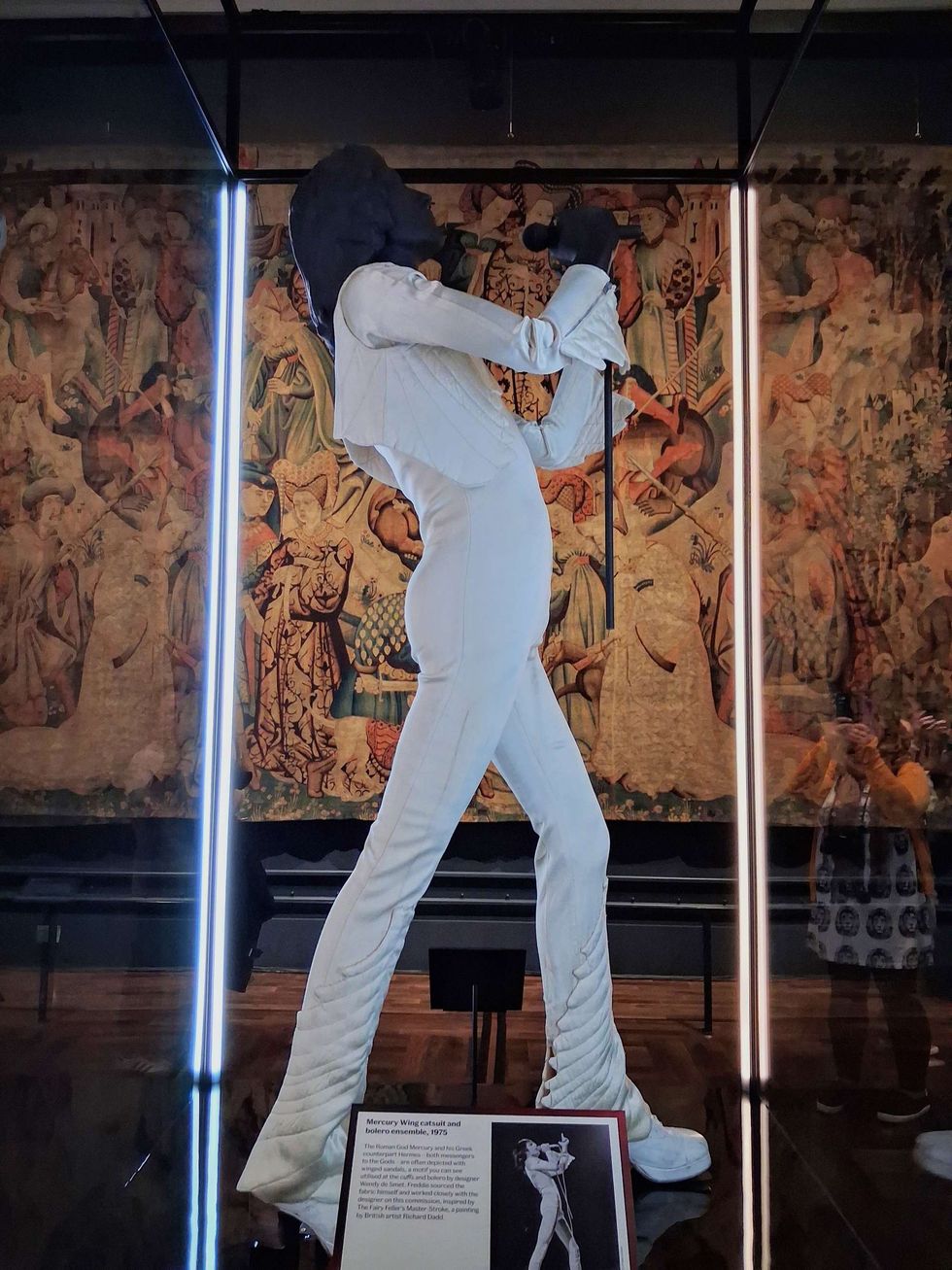 Mercury Wing Catsuit and bolero ensemble (1975)Amit Roy
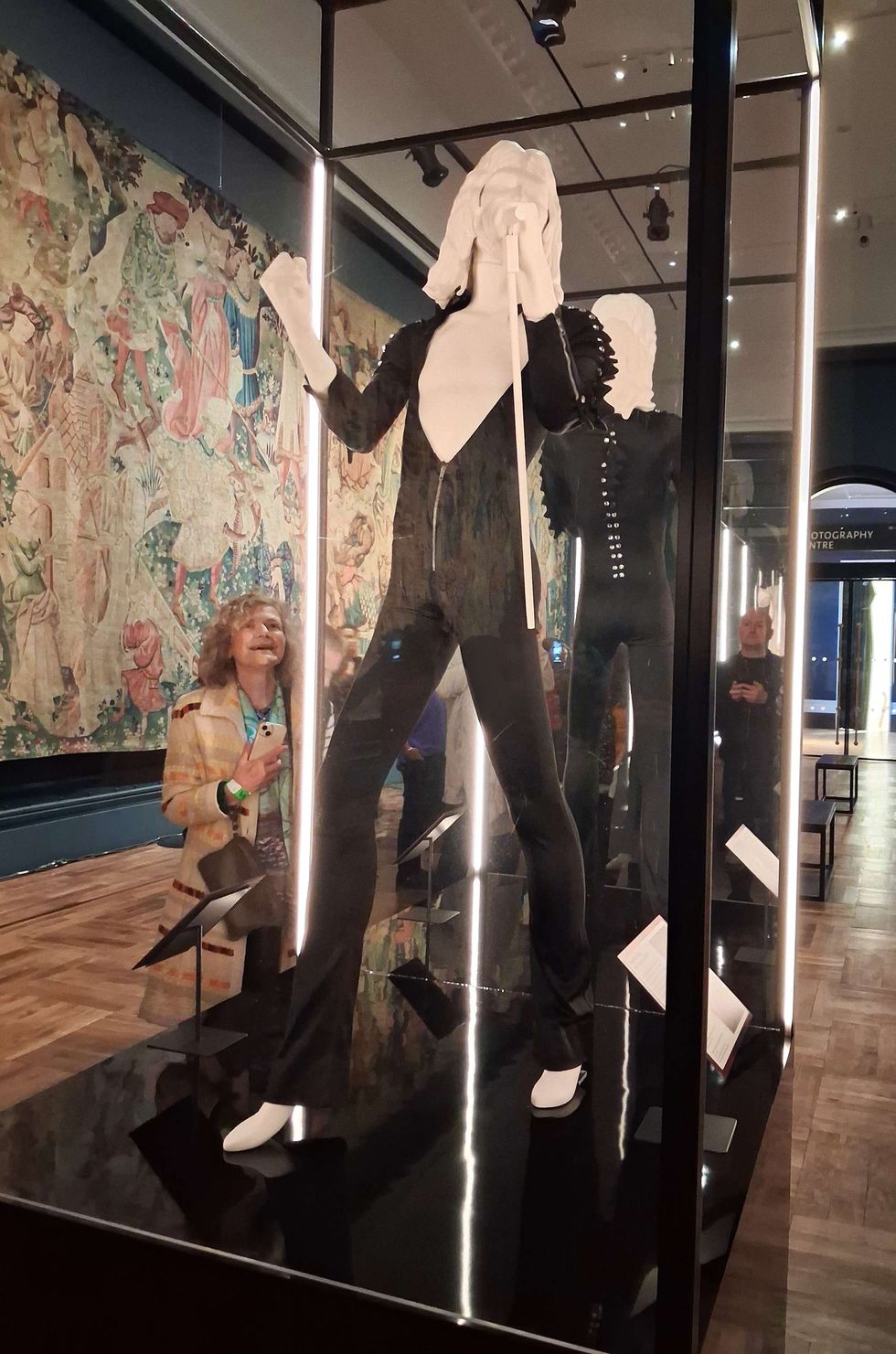 Designer Wendy de Smet with the spine suit or the Black Queen suit from 1975 Amit Roy
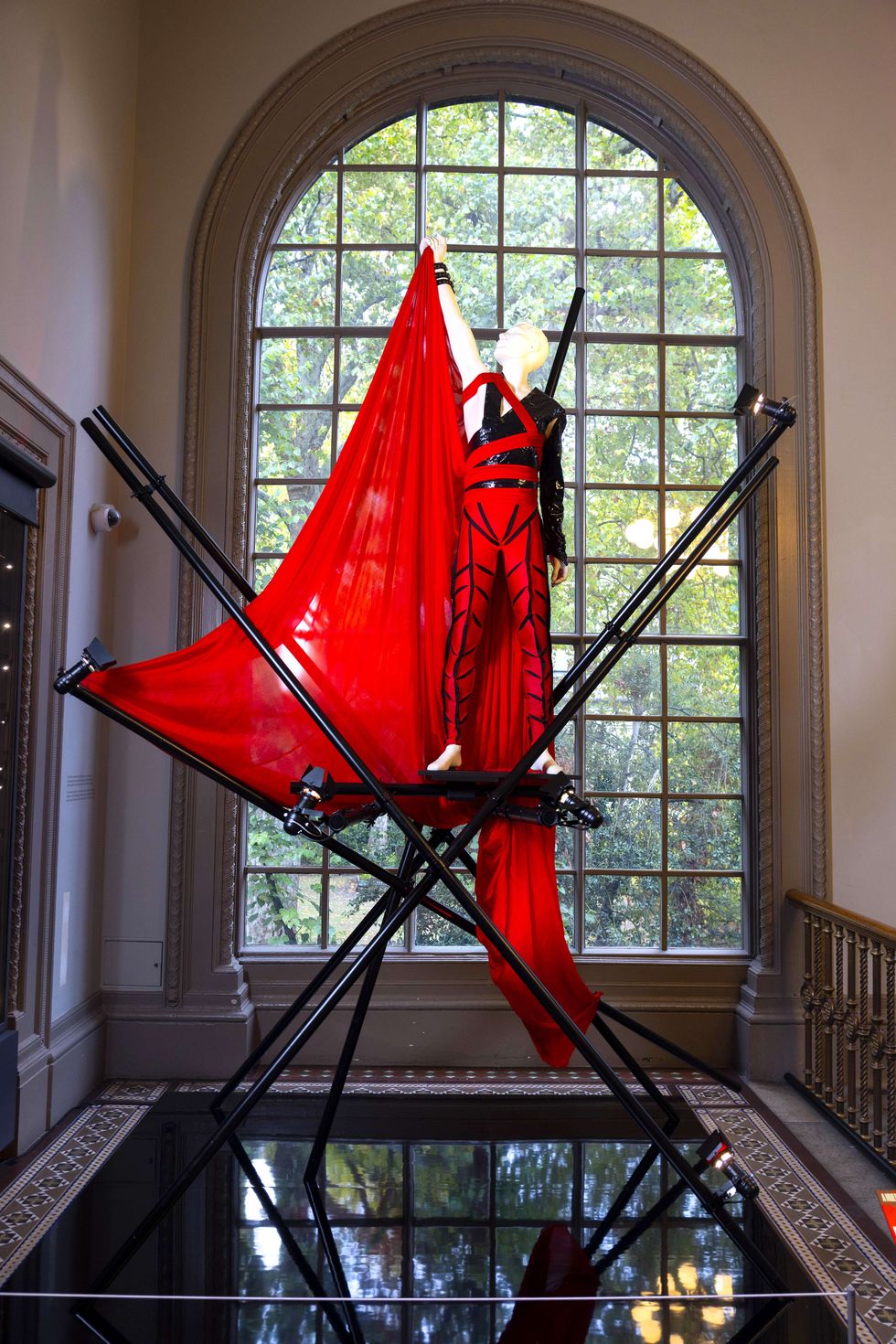 Made in Heaven music video costume (1985) David Parry/V&A
 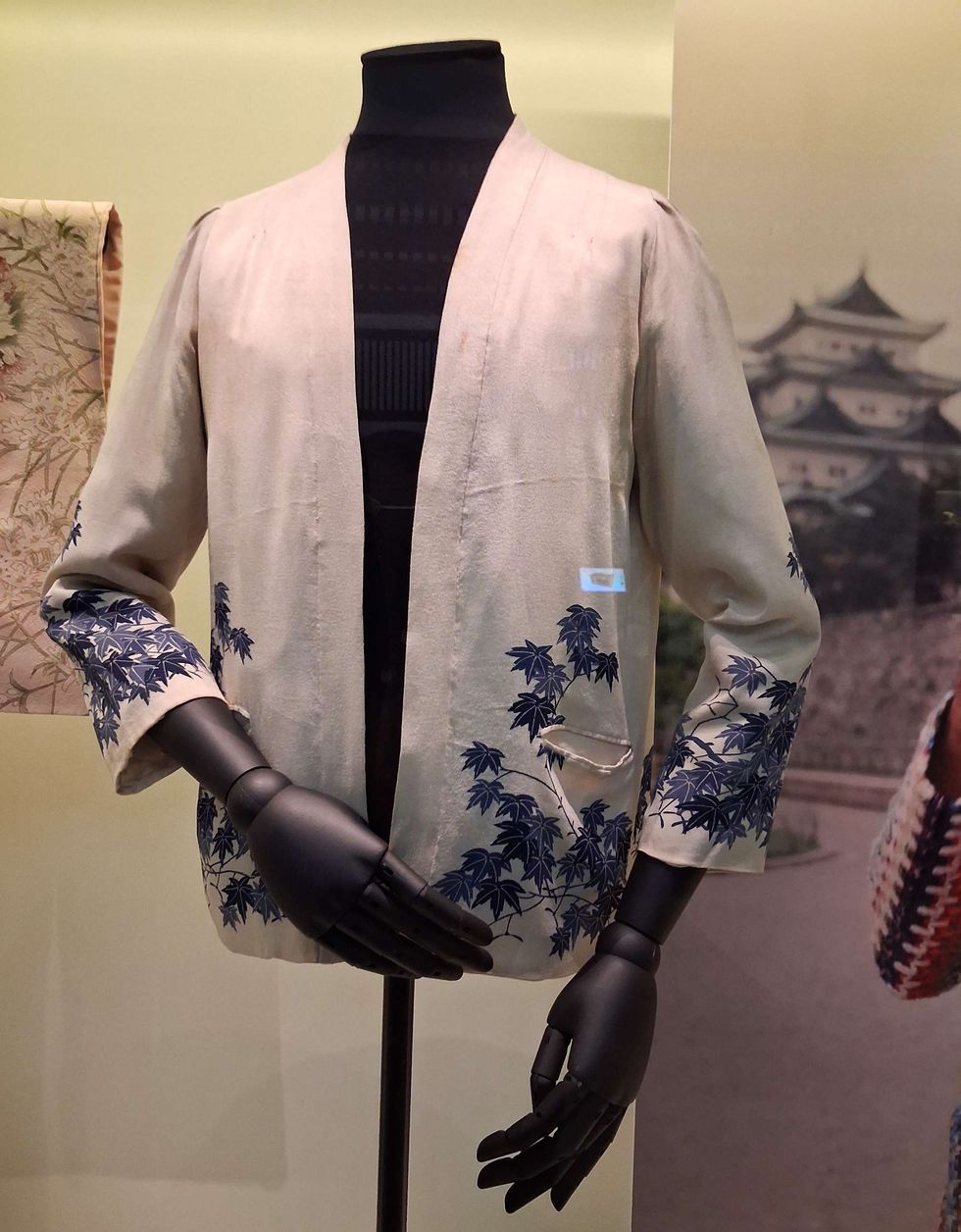 Japanese jacket (early 1970s)Amit Roy
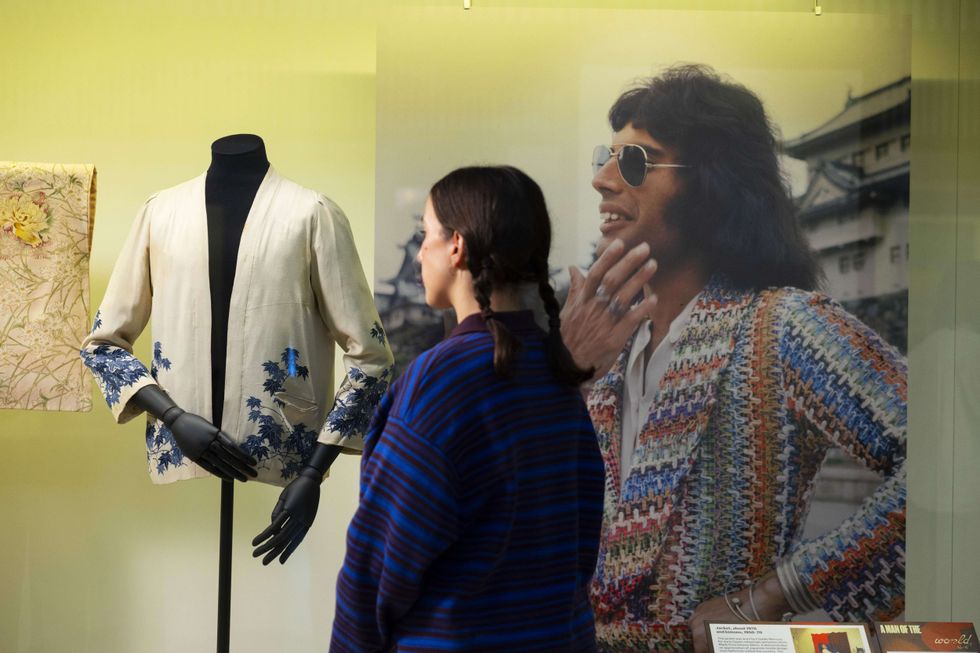 Japanese jacket (early 1970s) and kimono (1950-70) David Parry/ V&A
 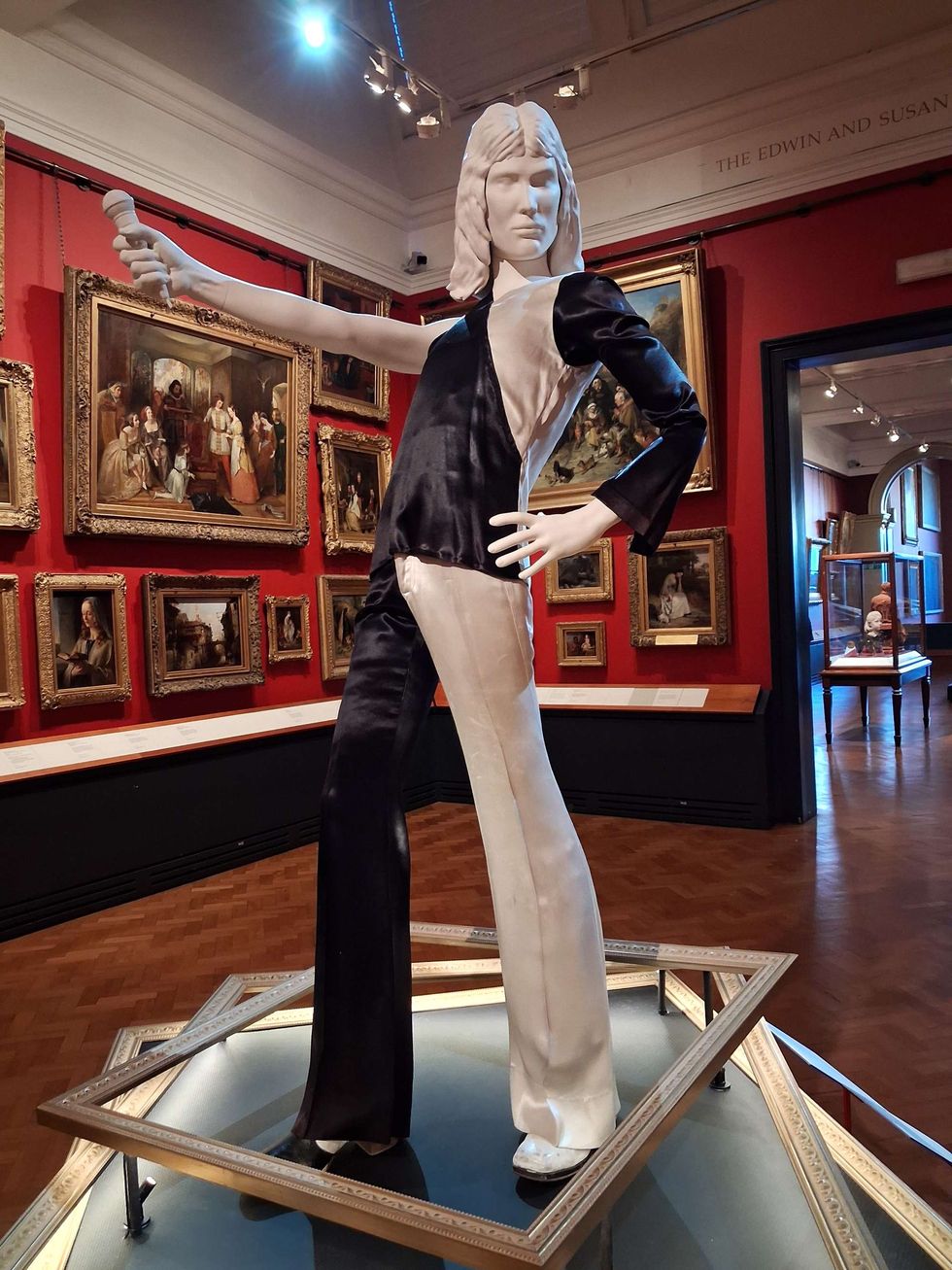 Ensemble worn for Imperial College gig in 1973Amit Roy
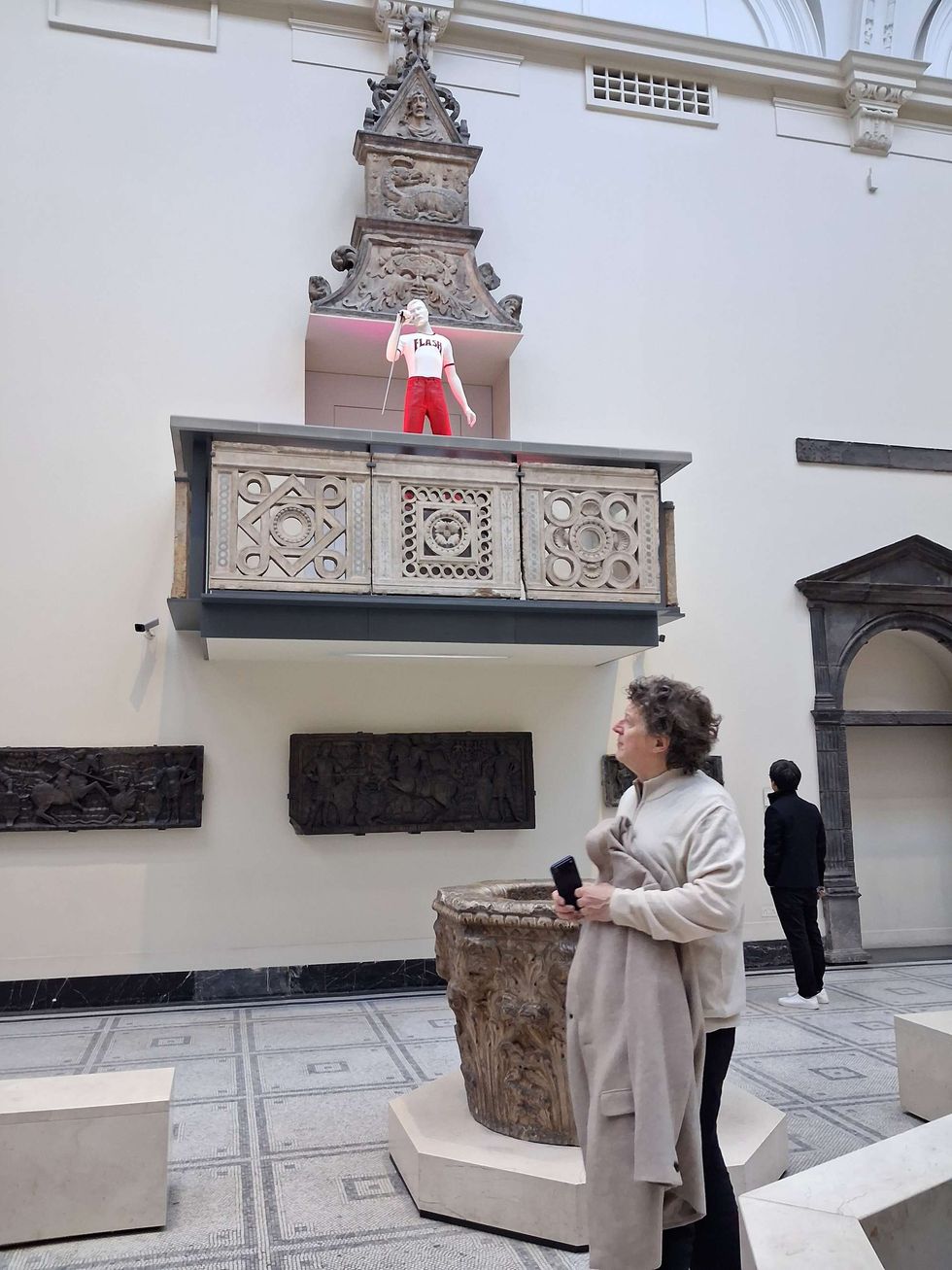 Flash ensemble and half mic (Flash Gordon 1980)Amit Roy
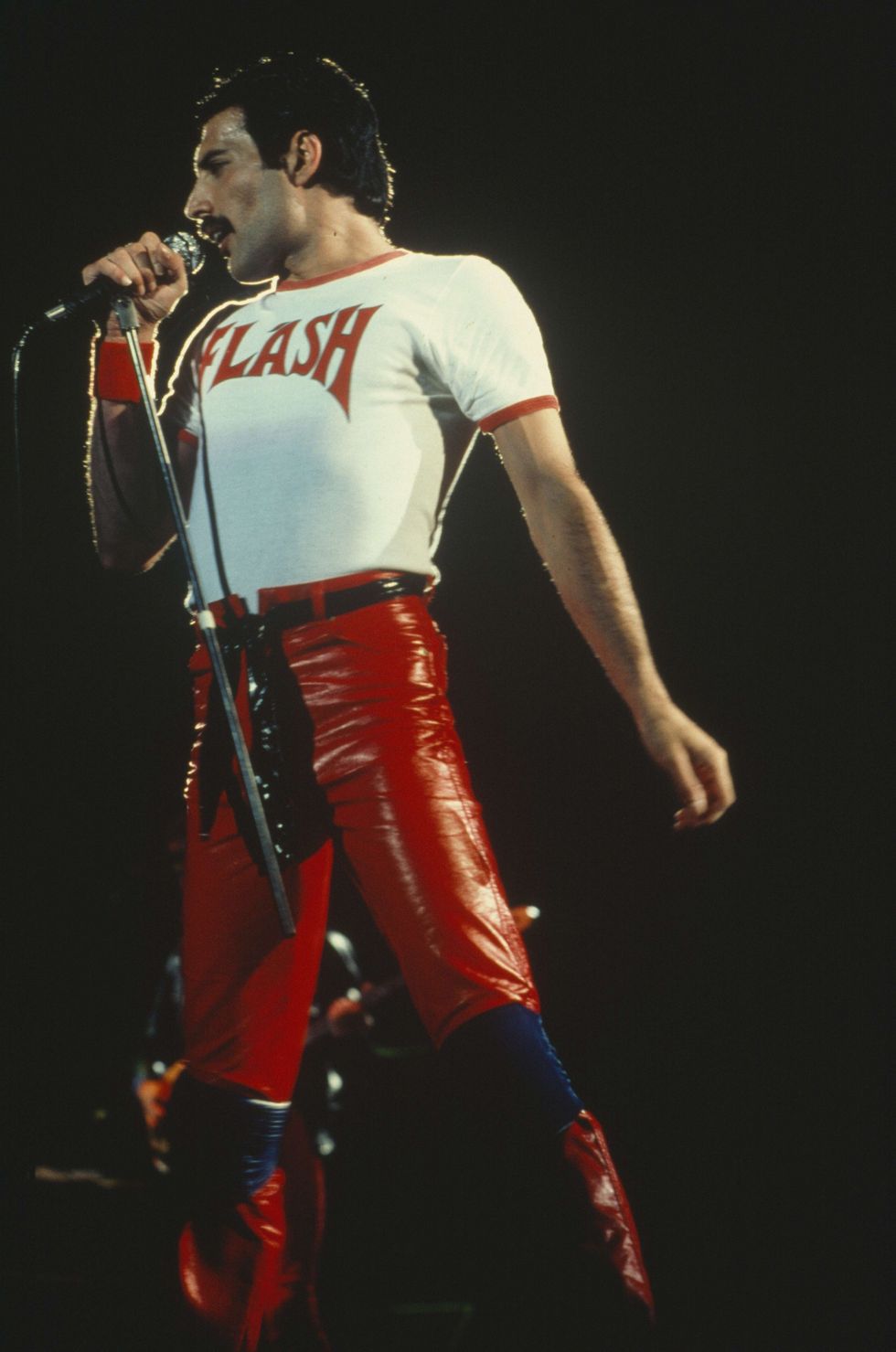 Freddie Mercury performs wearing a 'Flash' t-shirt at Sports Arena in San Diego, California, United States, on 5th July 1980David TanShinko Music/Getty Images
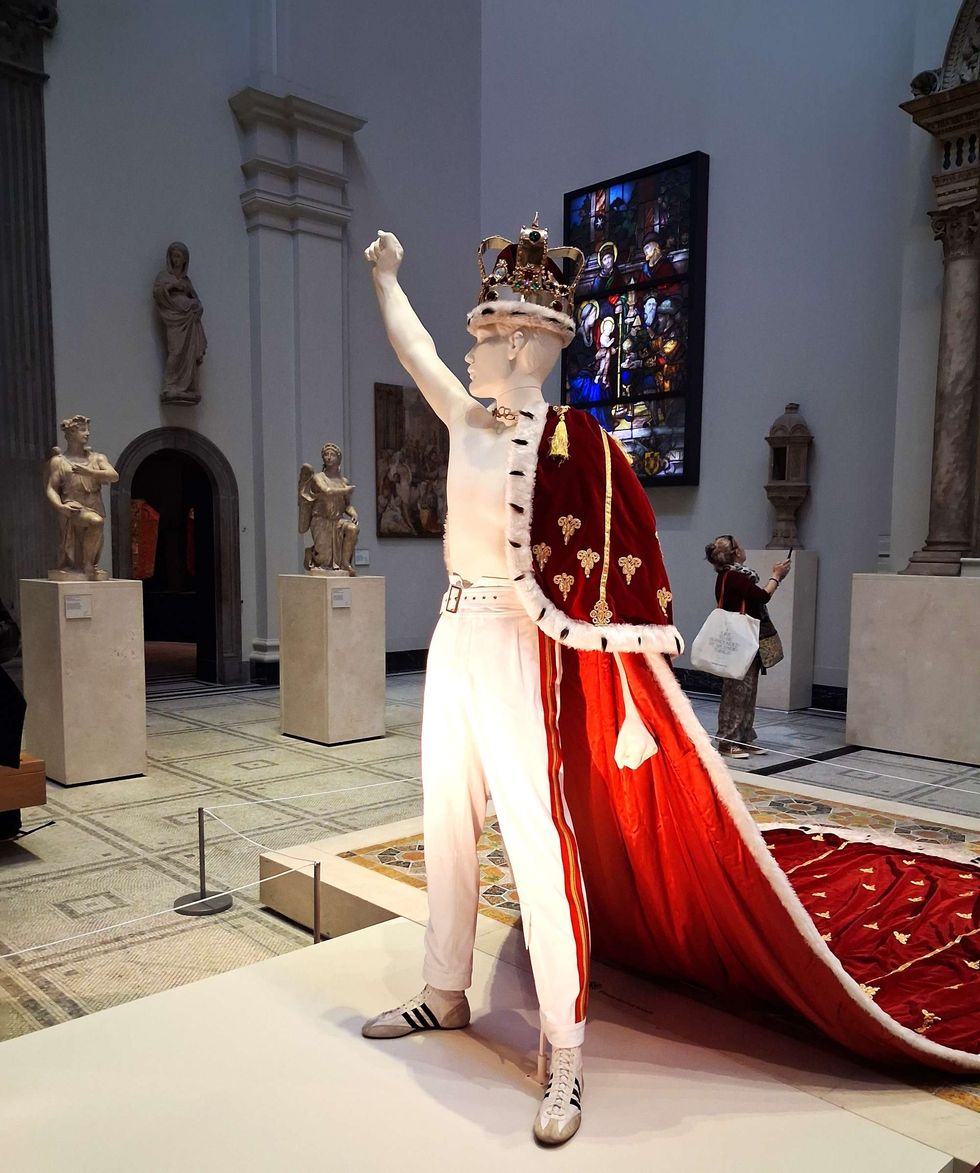 Cloal and crown ensembleAmit Roy
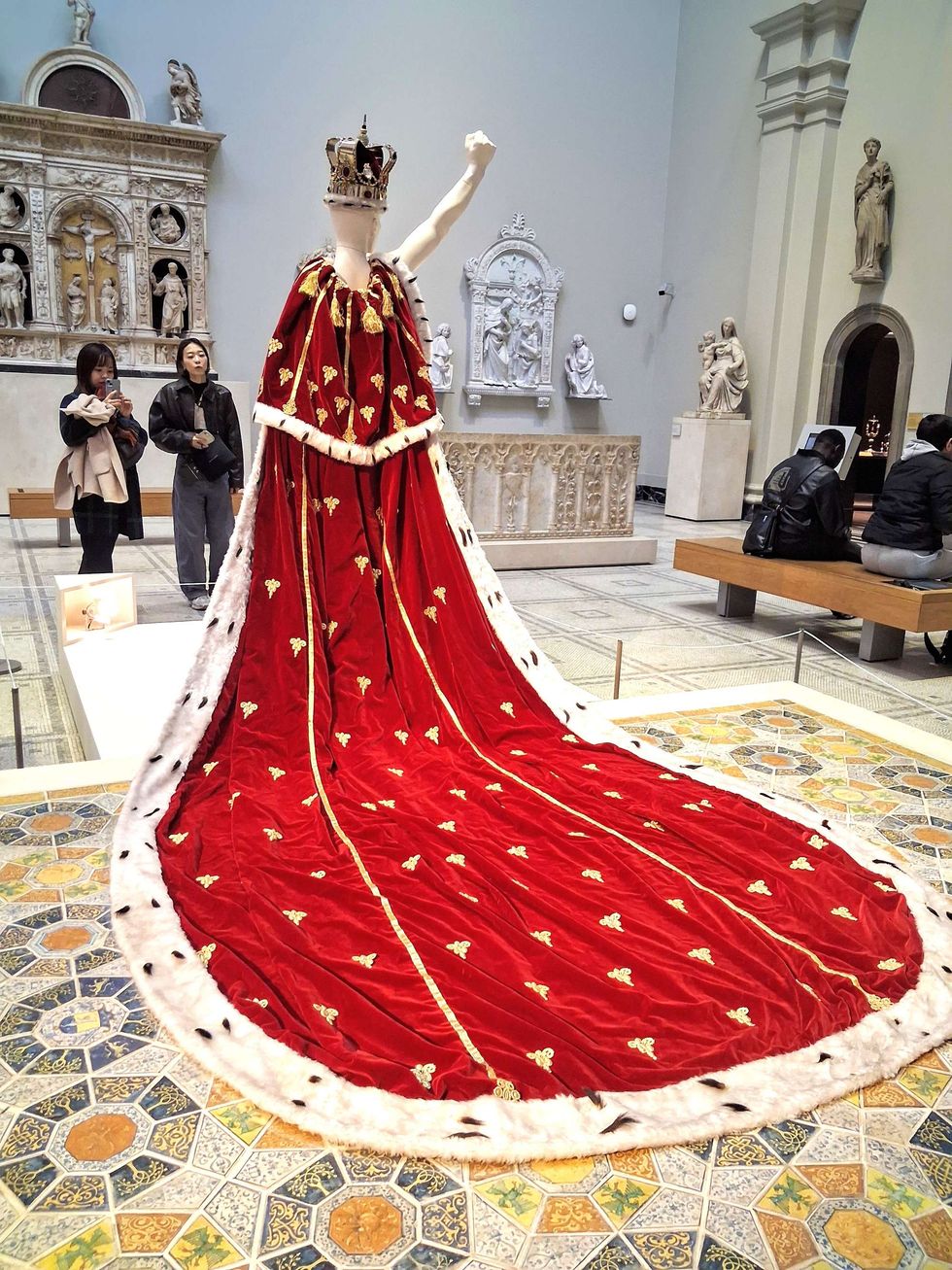 Cloak and crown ensemble (1986)Amit Roy
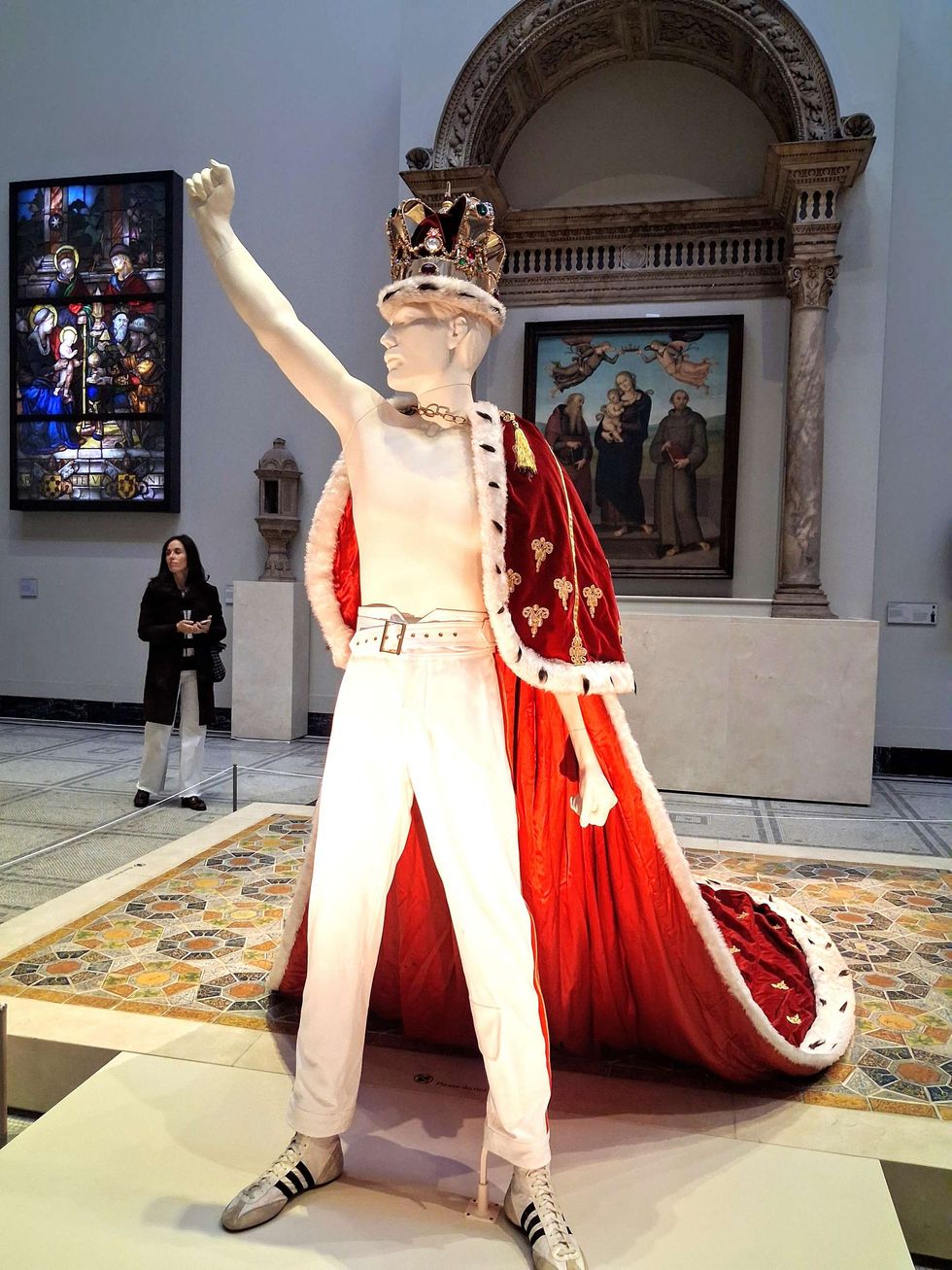 Cloak and crown ensemble (1986)Amit Roy
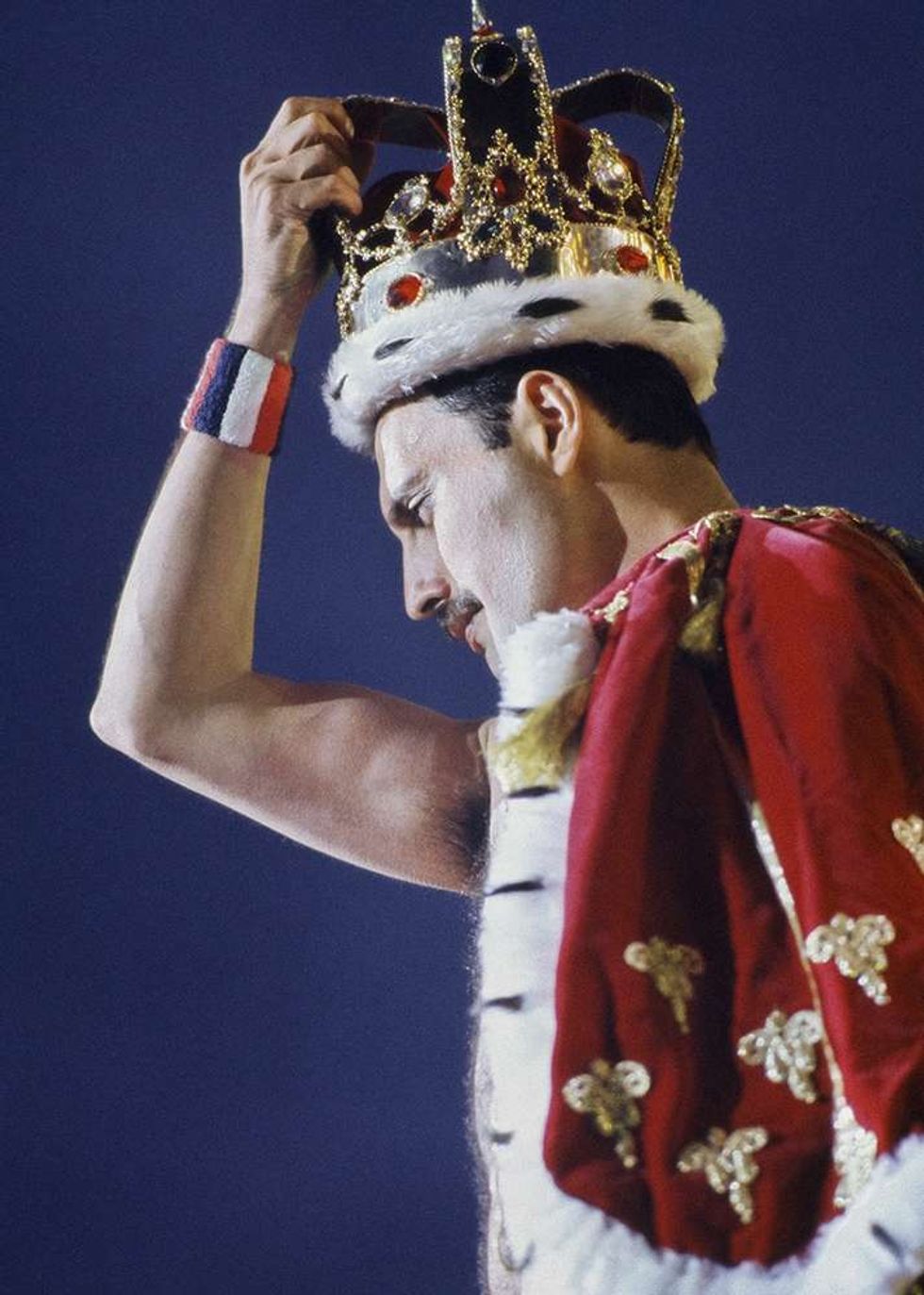 Freddie Mercury, Magic Tour (1986) Denis O’Regan