
CHILDREN should start learning about democracy from the age of 11 so that they are ready to take part in elections when they turn 16, the head of the UK’s elections regulator has said.
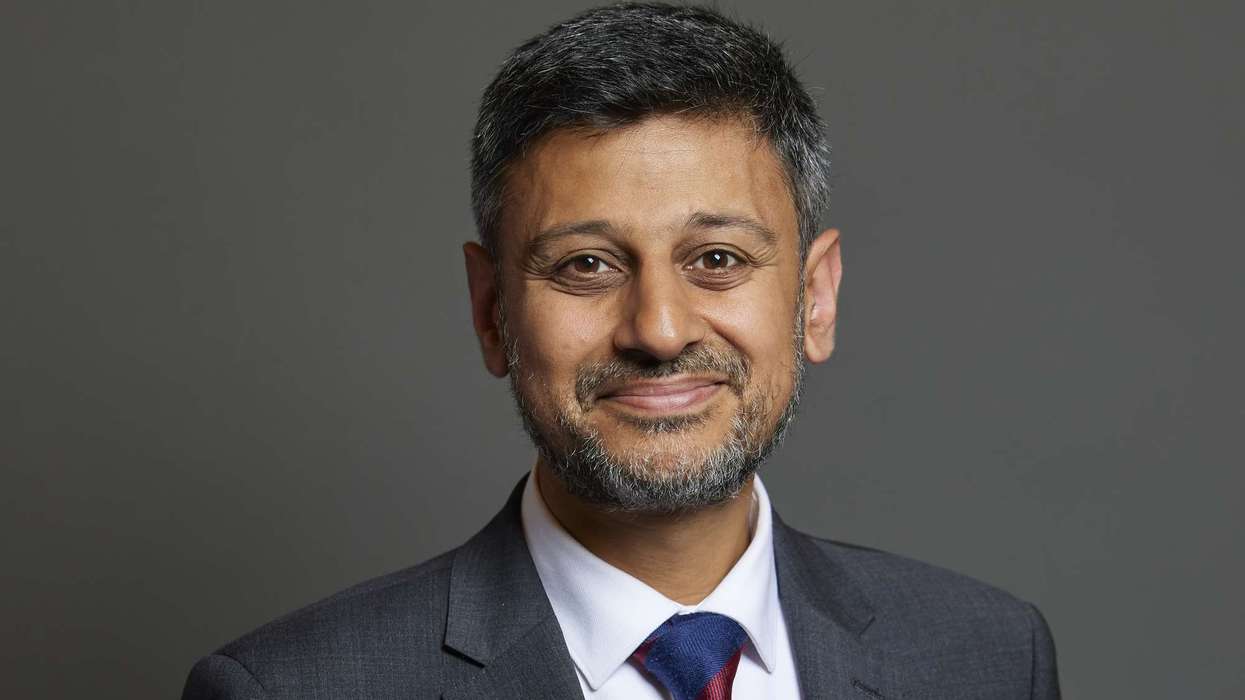
Vijay Rangarajan, chief executive of the Electoral Commission, explained that the watchdog is developing teaching material for schools in response to the government’s decision to extend voting rights to 16- and 17-year-olds.
At first, the resources will be aimed at pupils aged 14 and over, but he stressed that proper preparation would mean beginning at the start of secondary school.
Speaking to The Guardian, Rangarajan stressed that classroom lessons must remain impartial. “Teachers need to be very clear when something is just their personal opinion,” he said, urging staff to avoid letting political beliefs influence teaching. “We are putting huge effort into ensuring the material is neutral.”
His comments come as debates continue about bias in education. Reform UK leader Nigel Farage has claimed schools are “full of leftwing prejudice” and hostile to his party.
Rangarajan acknowledged that political parties are worried about partiality, but said the Commission’s work is focused on ensuring trust.
Surveys suggest schools are not yet fully preparing pupils for the vote. A poll of 6,000 teachers by Teacher Tapp revealed that over four in five do not think the current curriculum gives students the knowledge they need to vote at 16. Around half of 16- and 17-year-olds also admit they feel under-informed about politics.
Experience from Scotland, where 16-year-olds were able to vote in the 2014 independence referendum and now vote in Holyrood and local elections, showed why schools must be engaged. Rangarajan said teaching there had been inconsistent and sometimes avoided. “That’s why we are getting on with this early,” he was quoted as saying. “Teachers need support so they are confident in handling sensitive topics.”
The Commission’s materials will also address how to judge online information and recognise misinformation. Rangarajan argued that early education could help young voters form lifelong democratic habits.
His remarks were made after the government announced wider reforms, including tougher rules on party funding, higher fines for breaches, stronger action against abuse of candidates and steps towards automatic voter registration.
Rangarajan welcomed moves to close loopholes that allow foreign money into politics, something the Commission has pushed for since 2013.
However, he repeated calls for the regulator’s independence to be restored. Under Boris Johnson’s government, ministers were given the power to set the Commission’s priorities, ending its full autonomy.
“A government relies on elections to stay in power,” he warned. “It should not be directing the body that oversees those elections.”
The elections chief also highlighted growing risks from online abuse, particularly against women and ethnic minority candidates. He warned that deepfake pornography is already being used to intimidate female politicians.
The Commission is working with police and IT specialists in pilot schemes in Scotland to identify and stop such attacks.
On political donations, Rangarajan said cryptocurrency gifts should not be banned, despite concerns over traceability. Parties already receive unusual contributions, such as artwork or yacht use, which can be just as difficult to assess, he noted.
According to Rangarajan, the biggest challenge now is maintaining faith in democratic institutions. “We need to equip young people with knowledge and confidence,” he said, “while making sure the system itself remains transparent and fair.”