
Skip to content
Search

Latest Stories

Submit Guest Post

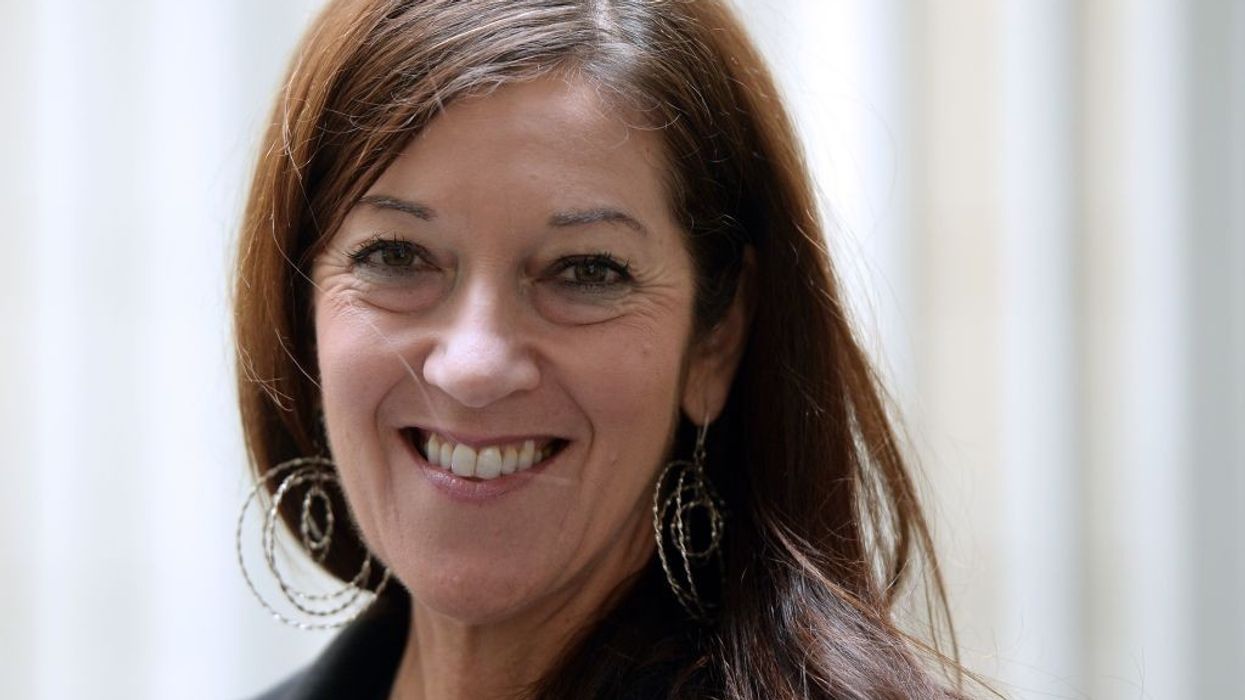
Victoria Hislop urges to stop discrimination against people affected by leprosy

Victoria Hislop urges to stop discrimination against people affected by leprosy

BRITISH author Victoria Hislop has urged people to stop prejudice and discrimination against people affected by leprosy. 

According to a statement from UK charity Lepra, people affected by leprosy experience extreme discrimination, facing over 100 prejudicial laws worldwide, that may force them from their jobs, families and communities, leading to emotional distress and isolation.


As part of World Leprosy Day on Sunday (30) Victoria and Jimmy Innes, Lepra’s CEO give a range of radio interviews broadcast, the statement added.

"These people, ordinary people, face social exclusion not only from those who are supposed to love them, to care for them, to look out for them, but from people within their wider communities too. And this is despite the fact that leprosy is a curable disease," Lepra said.

"The perpetuation of age-old myths and a lack of accurate and reliable information about leprosy leads to unfounded fear for those people directly impacted and for those people living in close proximity."

Lepra is working in India, Bangladesh and Zimbabwe to change the lives of people affected by leprosy.


Add EasternEye As Your Trusted Source
preferred source on google news

More For You

England pupil mobile phone policy

England is preparing tougher rules to prevent pupils from accessing mobile phones during the school day, with schools facing questions over enforcement and funding

iStock

England pupil mobile phone policy: Will schools have the resources to enforce it?

  • Schools will have to go beyond policies that allow pupils to keep switched-off phones in their bags.
  • Head teachers' unions warn that secure storage systems could create significant costs.
  • Scotland, Wales and Northern Ireland are taking different approaches to restricting phones in schools.

Schools in England are preparing for a stricter approach to mobile phones, with pupils expected to be unable to access their devices at any point during the school day from September 2027. But while ministers want to move beyond policies that allow phones to remain switched off in school bags, head teachers are questioning how they will pay for the change.

The government is strengthening its statutory guidance to ensure schools adopt measures that keep phones physically out of pupils' reach, rather than simply requiring them to remain unseen and unheard.

Keep ReadingShow less