
- The US has banned imports of new foreign-made advanced robots and power inverters on national security grounds.
- Officials argue the technology could be exploited for surveillance, cyberattacks or disruption of critical infrastructure.
- The move marks another step in the growing technology rivalry between the US and China.
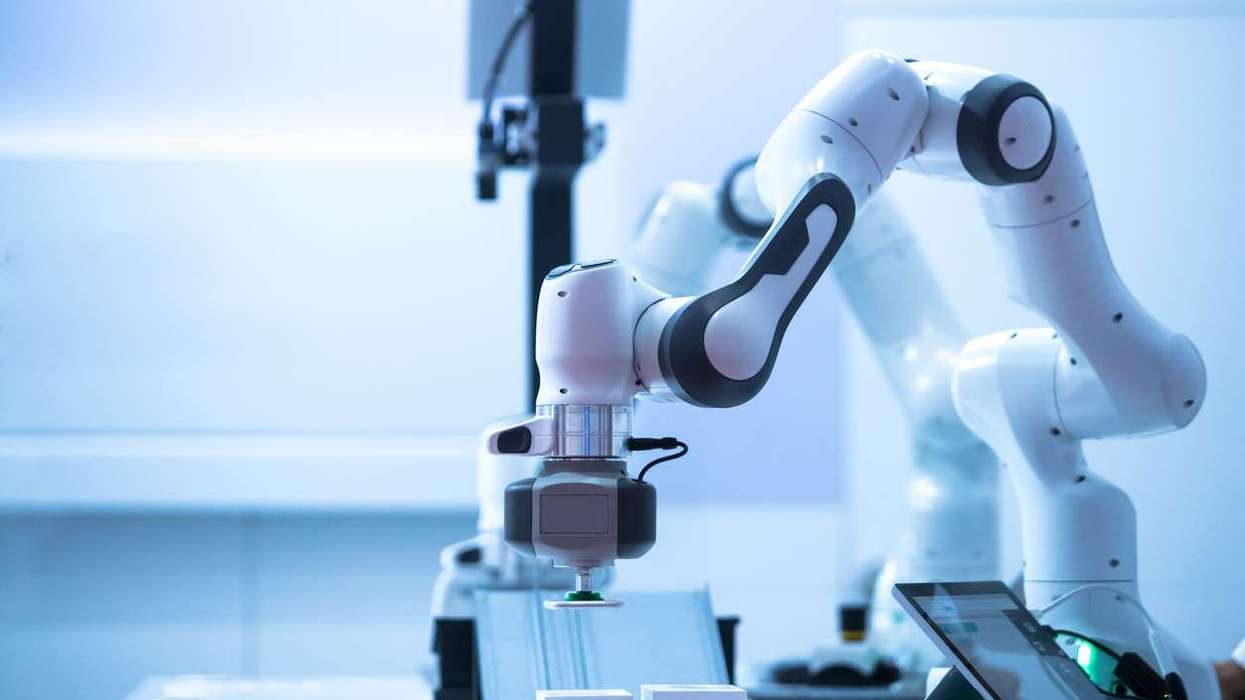
The Trump administration has announced new restrictions on the import of advanced foreign-made humanoid and quadruped robots, along with connected power inverters used in data centres and renewable energy systems. The products have been added to the Federal Communications Commission's (FCC) Covered List, meaning new models can no longer be imported into the US because they are considered a potential national security risk.
The restrictions do not affect products that had already received FCC approval.
More than machines: Why the US is concerned
The US government argues that connected robots and power inverters are no longer just pieces of hardware. Many are internet-enabled devices capable of collecting data, receiving software updates and communicating remotely.
According to the FCC, foreign-made robots could potentially be used by hostile actors to gather sensitive information, conduct surveillance or even be remotely controlled. Officials also warned that connected power inverters, which help connect solar panels, batteries and data centres to electricity grids, could become targets for cyberattacks or allow overseas companies to interfere with critical infrastructure.
FCC Chairman Brendan Carr reportedly said the agency was taking steps to secure America's critical supply chains. An administration official also reportedly said the policy is intended to reduce dependence on overseas suppliers for emerging technologies while encouraging more manufacturing to return to the US.
Another chapter in the US-China technology race
The decision is the latest sign that the competition between the US and China is expanding beyond semiconductors and artificial intelligence into robotics and industrial technology.
China has become one of the world's largest producers of advanced robotics and is investing heavily in AI-powered machines for manufacturing, logistics and public services. The US, meanwhile, is increasingly treating technologies linked to AI and critical infrastructure as matters of national security rather than simply international trade.
Beijing criticised the move, with the Chinese embassy in Washington reportedly accusing the US of politicising trade and imposing sanctions on what it described as groundless claims. It also reportedly said China would take all necessary measures to protect its interests and called on countries to work together on the responsible development of artificial intelligence.
While the latest restrictions apply only to new imports, they highlight how the technology rivalry between the world's two largest economies is widening. Increasingly, products once viewed as ordinary industrial equipment are being treated as strategic assets with implications for cybersecurity, economic resilience and national security.