
- Federal judge rules £73,000 ($100,000) H-1B visa fee was unlawful.
- Indian diaspora groups say the decision protects US competitiveness.
- Advocates warn other restrictions could still emerge through administrative measures.
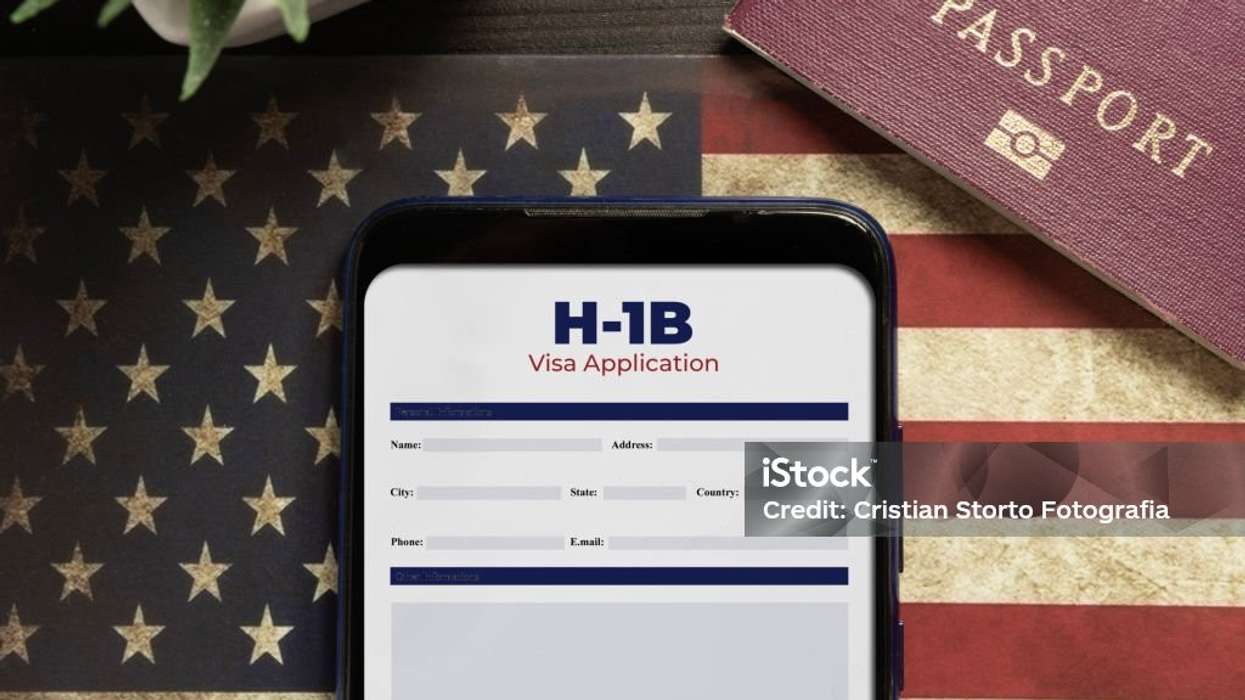
A federal court in Massachusetts has struck down the Trump administration’s controversial £73,000 ($100,000) fee on new H-1B visa applications, handing a significant victory to employers and skilled foreign workers who rely on the programme to work in the US.
The ruling is expected to have particular significance for Indian professionals, who account for the largest share of H-1B visa holders. The court found that the fee lacked approval from Congress, making it unlawful.
Relief for employers and skilled workers
The decision was welcomed by several US-based Indian diaspora organisations, which argued that the measure would have made it harder for companies to recruit highly skilled international talent and could have undermined the country's position in sectors such as technology, healthcare and advanced manufacturing.
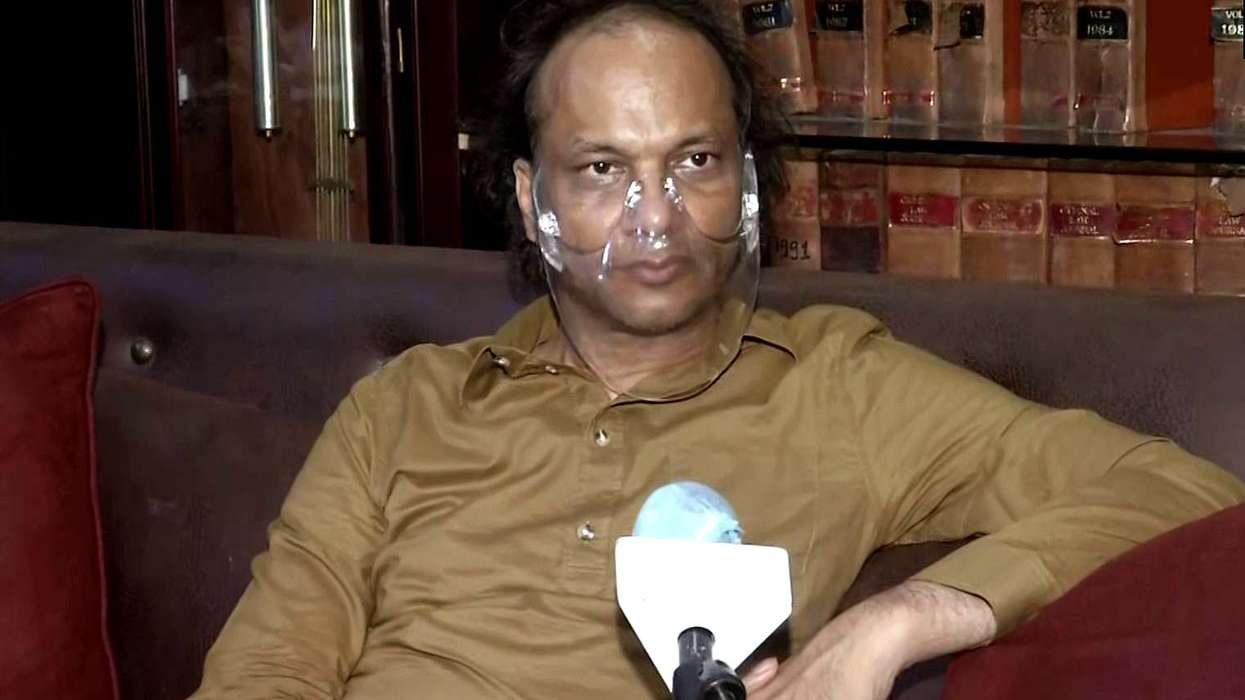
Khanderao Kand, chief of policy and strategy at the Foundation for India and Indian Diaspora Studies (FIIDS), reportedly said the ruling restored “predictability and fairness” to the employment-based immigration system.
He also argued that access to skilled global talent remains essential for innovation, research and entrepreneurship in the US. According to Kand, the judgment reinforces the principle that major immigration policy changes should be supported by both legal authority and economic considerations.
FIIDS said it continues to support a balanced, merit-based immigration system that benefits businesses and the wider economy.
Legal victory, but uncertainty remains
While the ruling removes the immediate threat of the fee, some immigration advocates believe the wider debate over H-1B visas is far from settled.
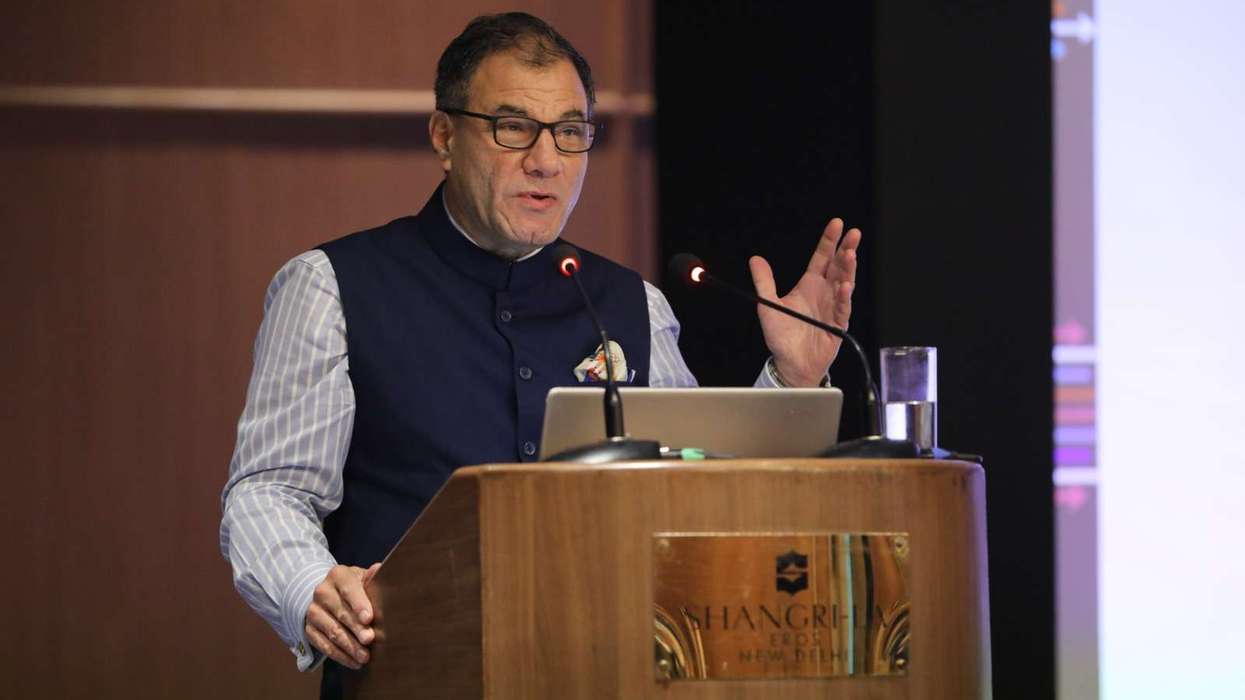
Sanjeev Joshipura, executive director of Indiaspora, reportedly said stakeholders connected to the programme would welcome the court’s intervention, but questioned whether the issue had been fully resolved.
He warned that the administration could still pursue policies aimed at making the process more difficult for H-1B applicants without directly violating US law. As quoted in a news report, Joshipura suggested that procedural changes and administrative measures could still be used to create barriers for visa holders if the government wished to pursue that approach.
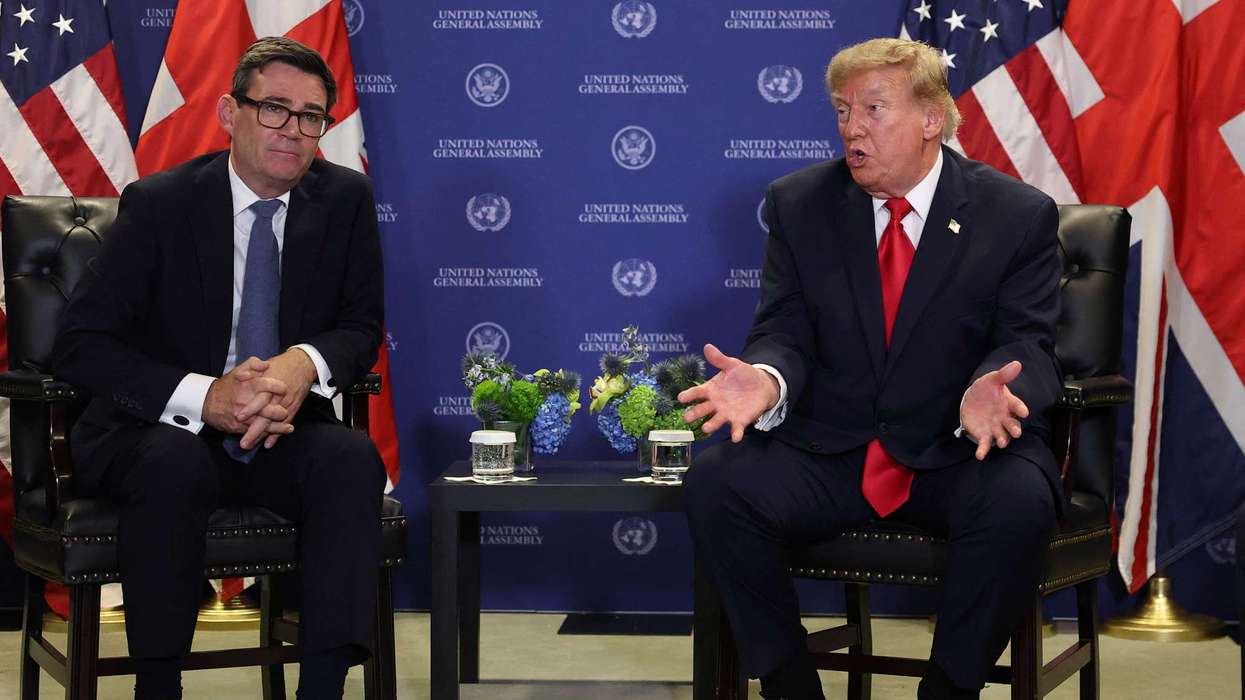
The now-invalidated fee was introduced through a presidential proclamation signed by Donald Trump in September last year. The measure required employers seeking new H-1B visas to pay an additional £73,000 ($100,000), sparking criticism from business groups and immigration advocates.
The Massachusetts court’s decision removes that requirement for now, although the broader political and legal battle over employment-based immigration policy in the US is likely to continue.