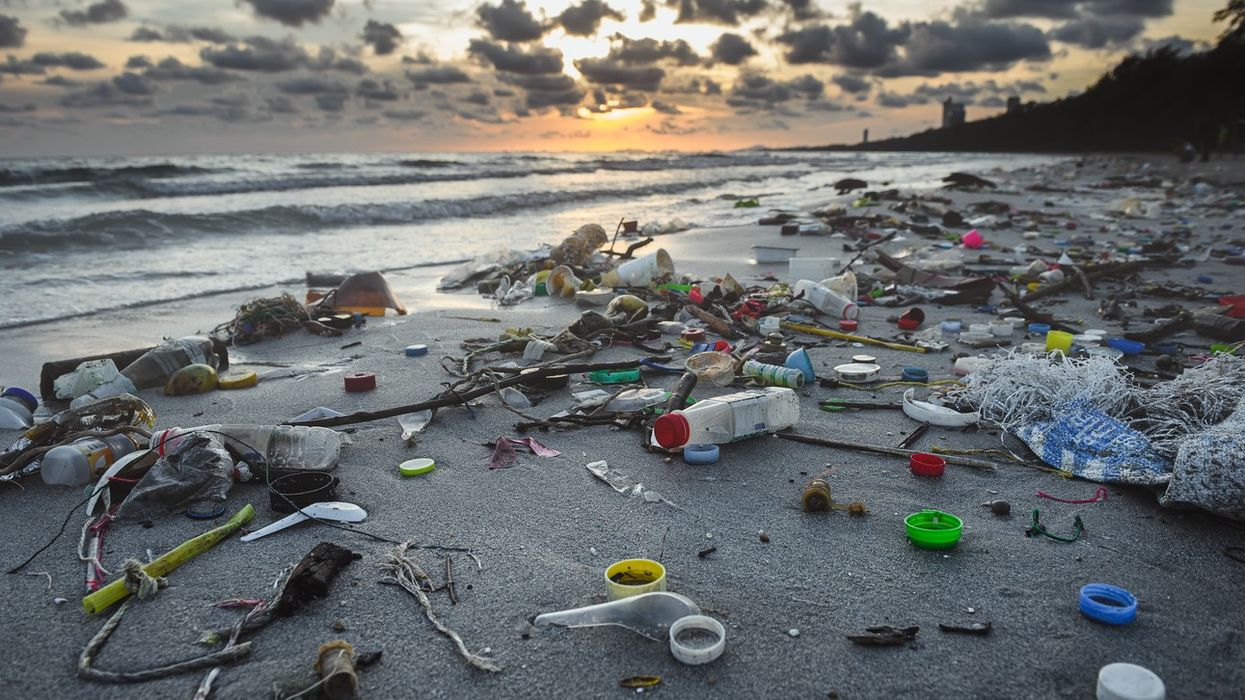
A Washington-based environmental advocacy group has apologised for its seven-year-old report which claimed five Asian countries were primarily responsible for polluting the ocean with plastic waste.
In its now-retracted report, titled Stemming the Tide, Ocean Conservancy had blamed China, the Philippines, Indonesia, Vietnam and Thailand for the bulk of ocean pollution.
The non-profit admitted that the 2015 report which also advocated incineration and waste-to-energy conversion as acceptable ways to tackle the plastic crisis, narrowly focussed on one region of the world.
Several Asian organisations called the report “waste colonialism” for ignoring the role of countries in the global north for overproduction of plastic and exporting plastic waste in the guise of trade.
Ocean Conservancy admitted in a statement that it “failed to confront the root causes of plastic waste or incorporate the effects on the communities and NGOs working on the ground.”
It said it was "wrong" to include "incineration and waste-to-energy as acceptable solutions to the ocean plastic crisis."
“We created a narrative about who is responsible for the ocean plastic pollution crisis” by focusing “so narrowly” on East and Southeast Asia”, the statement said.
The report also “failed to acknowledge the outsized role that developed countries, especially the United States” have been playing “in generating and exporting plastic waste to this very region”, the organisation said adding, “this too was wrong”.
While the report had blamed the five Asian countries, data showed that the third largest contribution to coastal plastic pollution came from the US, contrary to the previously held belief that it controlled pollution well.
Gaia, an alliance of 800 waste-reduction groups, has welcomed the apology saying it was “long overdue.”
“This unprecedented report retraction is an opportunity to interrupt decades of waste colonialism,” Gaia’s Asia-Pacific coordinator Froilan Grate told the Guardian.
“Ocean Conservancy is in a position to raise awareness among other organisations and policymakers about the false narrative propagated by the report,” Grate said, noting the harm caused by it.
Break Free From Plastic organisation’s Asia-Pacific coordinator Satyarupa Shekhar told the newspaper that Conservancy’s report had “diluted existing restrictions on incineration and opened the doors to false solutions and controversial techno-fixes to deal with the plastic pollution crisis”.
US based NGO apologies for 'waste colonialism’ report blaming Asia for global marine pollution
While the report had blamed the five Asian countries, data showed that the third largest contribution to coastal plastic pollution came from the US.