
Highlights
- Skin confronts colourism through horror, transforming memory into a grotesque clinic where melanin is harvested as a commodity.
- Urvashi Pathania recalls her earliest memory of being bleached at nine after relatives said her dark skin would affect marriage prospects.
- The film frames colourism as an “economic horror,” linking beauty standards to exploitation and resource plunder.
- Skin was workshopped at the prestigious Sundance Labs and is being developed into a feature-length project.
- Pathania believes horror is the most visceral way to capture inherited prejudice and social cruelty.
- Full interview and the complete video are available on the Eastern Eye YouTube channel.
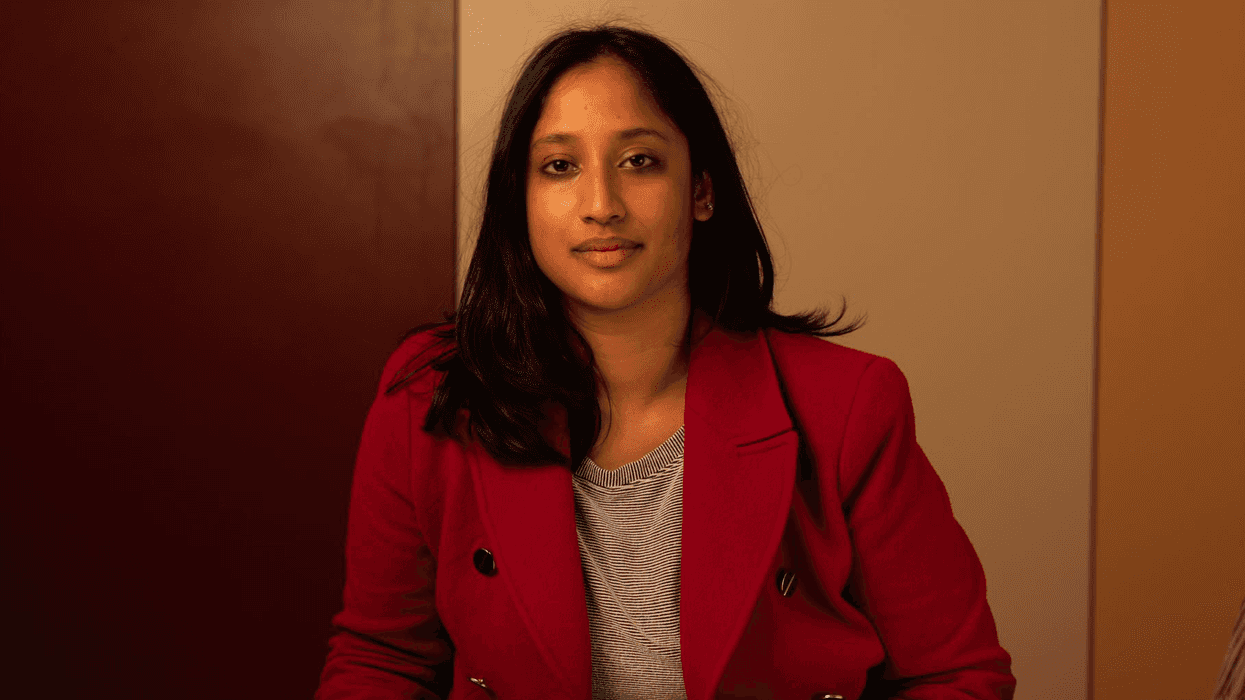
When filmmaker Urvashi Pathania talks about her short film Skin, her words carry the same sharpness and intimacy as the story itself. The short film leaves audiences equally unsettled and haunted. It’s not merely genre horror but a brave examination of colourism, where a personal wound becomes a grotesque clinic that harvests melanin as a commodity. In this Eastern Eye exclusive, Pathania discusses the origins and inspirations behind her film.
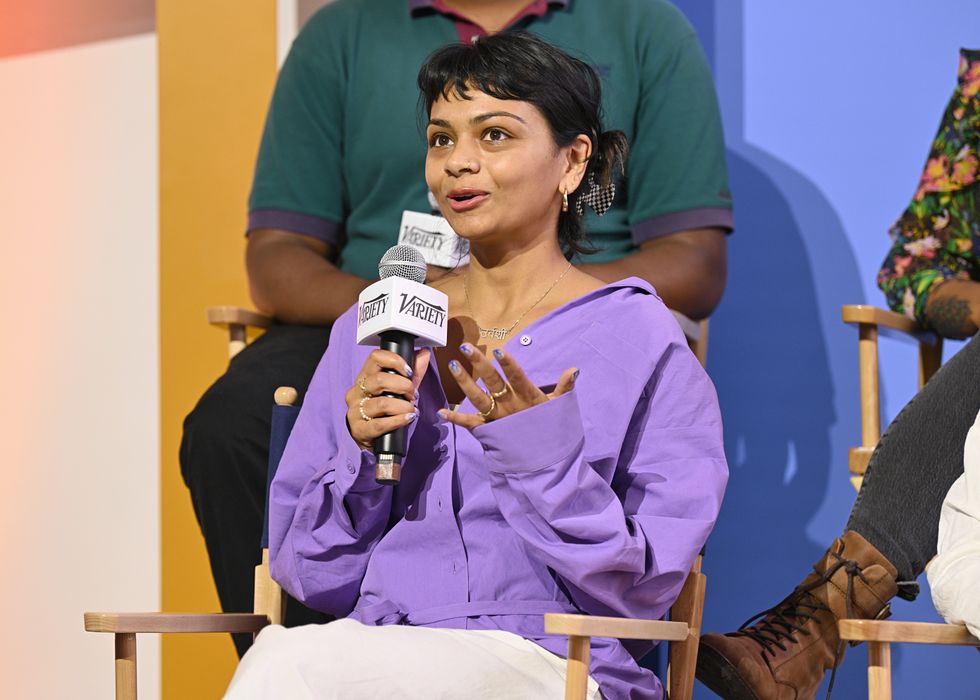 Filmmaker Urvashi Pathania opens up about the childhood memory that inspired her acclaimed short film Skin Getty Images
The film’s most harrowing image; of a woman submerged in a fluorescent tank as her skin dissolves, comes from a real childhood memory. “I was nine when one of my mum’s friends said, ‘Cute kid, but you need to do something about her dark skin if you ever want her to get married,’” Pathania remembers. Her mother, who was fair-skinned, listened. “She put a homemade bleaching paste on me,” Pathania says, “and I remember screaming in the bathtub.” That early sense of being trapped, of a body altered without consent, became the ghost at Skin’s core.
Pathania intentionally opens the film not with the clinic but with two sisters squabbling in a car. Ria, a dark-skinned influencer and a vocal champion of skin positivity, is the viewer’s entry point: incredulous, furious, and protective when Kanika announces she will bleach her skin. “Ria is the voice of the audience,” Pathania explains. “We enter through her disbelief and the love that’s tangled up in it.”
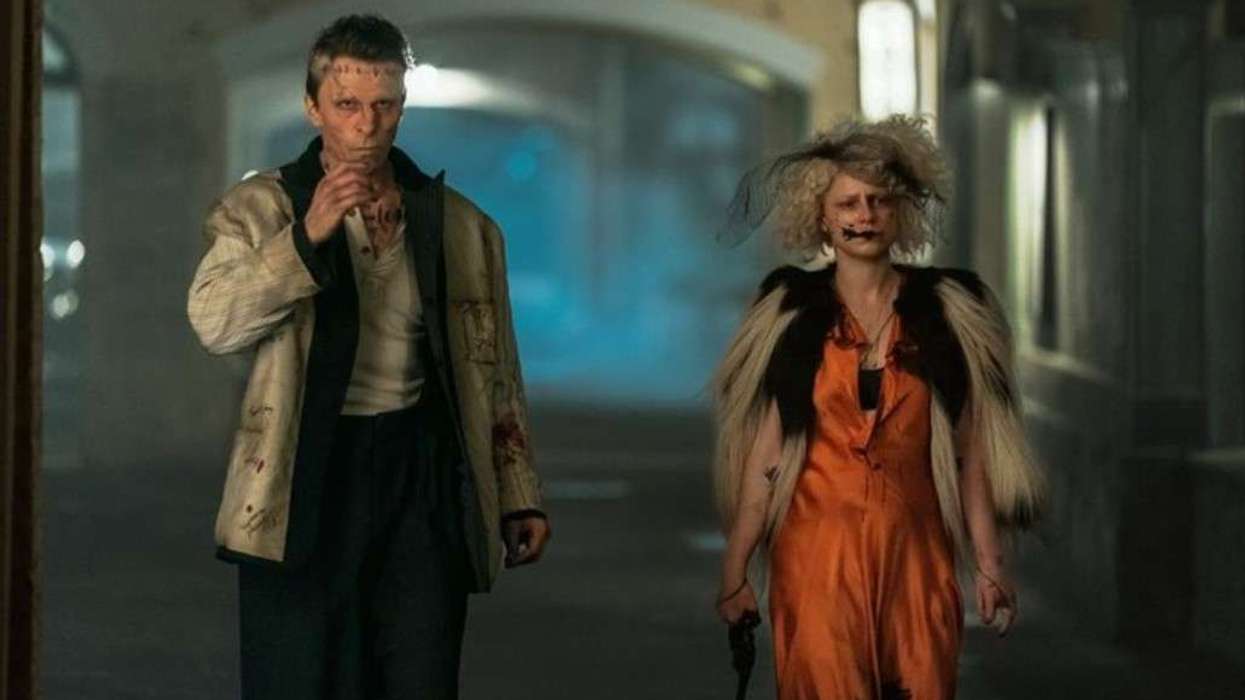
The clinic’s fluorescent hell, Markandeya, reveals the scale of the horror: an assembly line where dark-skinned women are drained and their melanin routed into glowing vats for wealthier, fairer clients. Pathania deliberately frames this as economic horror. “I wanted it to feel bigger than skin bleaching,” she says. “It’s about harvesting, of resources, of culture, of beauty rituals. Whether it’s the brown earth being plundered or the bodies of women of colour being commodified, the cost is always disproportionately ours.”
That cost is encoded in the film’s visual language. Pathania and her longtime cinematographer Catherine crafted a lighting palette that is as much metaphor as aesthetic. “Horror films usually hide terror in darkness. But here, the whitest moment is the most terrifying,” Pathania notes. Fair clients bask in amber-lit pools, their skin steeped in stolen warmth, while women of colour are exposed under cold, fluorescent tones that reveal the rawness of their natural skin. “It was the only way to show the truth of what Kanika loses,” Pathania says, referencing the film’s climax where her skin tone literally changes.
For Pathania, horror is a natural language to speak about inheritance, not genes, but the ideas passed down inside families and communities. Kanika’s desire to resemble her fair-skinned mother is a devastating detail because it links colourism to maternal love and social survival. “We like to blame our parents,” Pathania says, “but we carry it too. These cycles don’t just live in the past. They’re active.” The film, in fact, maps how affection and aspiration can become vectors for harm.
The film’s cruelest twist lands in its climax. Ria, the sister who loves her melanin, tries to rescue Kanika and becomes trapped instead, drained for the supposed benefit of others. “One person might individually gain—lighter skin, different treatment—but society pays,” Pathania says. “Every time a new standard is set, it hurts women as a whole.” The swap is designed to be both literal and moral: the personal gain of assimilation carries a social cost.
Juniper, the clinic director, weaponises empathy—polite, warm, a girlboss peddling empowerment as she harvests. “She’s complicit and trapped,” Pathania says. “In the feature version, you see the strings go even higher.”
Perhaps the most haunting image comes in the film’s closing: older women, waiting to bathe in stolen melanin, unaware of the violence behind their “fountain of youth.” Pathania denies them villainy and implicates us all. “They don’t know the cost,” she says. “They hear about a fountain of youth and want it. That desire is universal. The tragedy is that the system allowing it is invisible to them.”
- YouTube youtu.be
Asked to name a single scene that sums up Skin, Pathania points to a quiet, devastating parallel: Ria struggling with foundation that’s too light while Kanika undergoes the bleaching ritual. “It’s the same violence in different forms,” she says. “One is subtle, one is grotesque. But both come from being told you’re not enough.”
Skin may be short, but it is not small. It exists as proof of a larger project. Pathania workshopped a feature script for Skin at the Sundance Labs, and the short reads like a hard, lucid preview of that longer story. She’s also writing other genre pieces, including a ghost story about housing injustice in Manhattan, because for Pathania, horror remains the most honest language for telling political stories that live in the body.
Skin lingers because it refuses easy catharsis. There’s no victory, only the echo of Ria’s screams in the tank. Pathania’s craft is in how she shows colourism doesn’t merely humiliate; it becomes a literal marketplace. “You can walk out of the clinic lighter,” she says. “But someone else pays the price.”