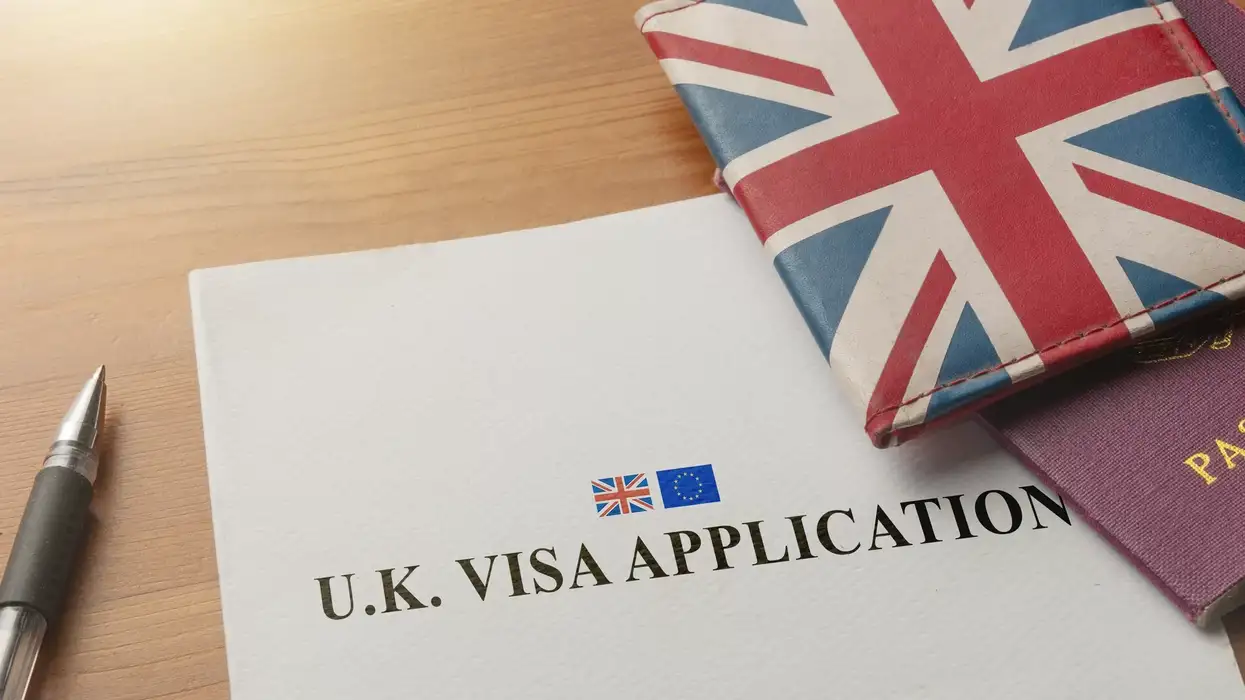

THE number of people from abroad applying to work or study in the UK has dropped significantly following visa restrictions introduced by the former government, reported the Guardian.
In July, the total number of applicants for skilled worker, health and care, and student visas, along with their family members, decreased by more than a third, reaching 91,300 compared to the same month last year.
The sharpest decline was observed in health and care visa applications, which plummeted by 82 per cent to just 2,900 in July. Meanwhile, student visa applications also saw a decrease, falling by 15 per cent to 69,500.
These figures suggest that overall immigration numbers are likely to drop notably. Last year, net migration reached a record high of 764,000 and remained elevated at 685,000.
The Tory government under Rishi Sunak implemented a ban on international students and healthcare workers bringing family members, a policy that Labour has indicated it does not intend to reverse.
Initial data from the Home Office for July shows that about 15 per cent fewer sponsored student visa applications were submitted, continuing the decline observed earlier in the year.
According to the report, this trend aligns with prime minister Keir Starmer's commitment to reducing the historically high levels of net migration.
The University of Oxford’s Migration Observatory has projected that net migration will continue to fall, potentially dropping to around 350,000 by 2030. This decline is expected to be driven by a combination of more people leaving the UK, fewer international students arriving, and a decrease in private sector job openings.
However, the think tank has cautioned that this reduction in numbers could lead to significant challenges, as universities may face financial difficulties and the health and social care sectors could struggle with staffing shortages.
Overall, the number of people seeking to enter the country as skilled workers, healthcare professionals, or students has dropped from 143,000 in July of last year to 91,300 this July, representing a 36 per cent decrease.
Former home secretary James Cleverly announced a ban on care workers bringing their families to the UK, which took effect in March. Additionally, the Tory government tightened regulations on which companies are allowed to sponsor visas, amid concerns over potential abuse of the system.
Labour has announced plans to introduce legislation aimed at improving pay and working conditions in the social care sector.
In January, Tories also introduced a ban on international students bringing family members unless they are enrolled in postgraduate research programmes.
“We have outlined a clear strategy to reduce the historically high levels of legal migration by addressing the underlying causes behind high international recruitment," a Home Office spokesperson was quoted as saying.
“By linking immigration with labour market and skills systems, we aim to train our domestic workforce and tackle the skills shortage. While immigration offers many benefits to the UK, it must be managed through a fair and controlled system.”