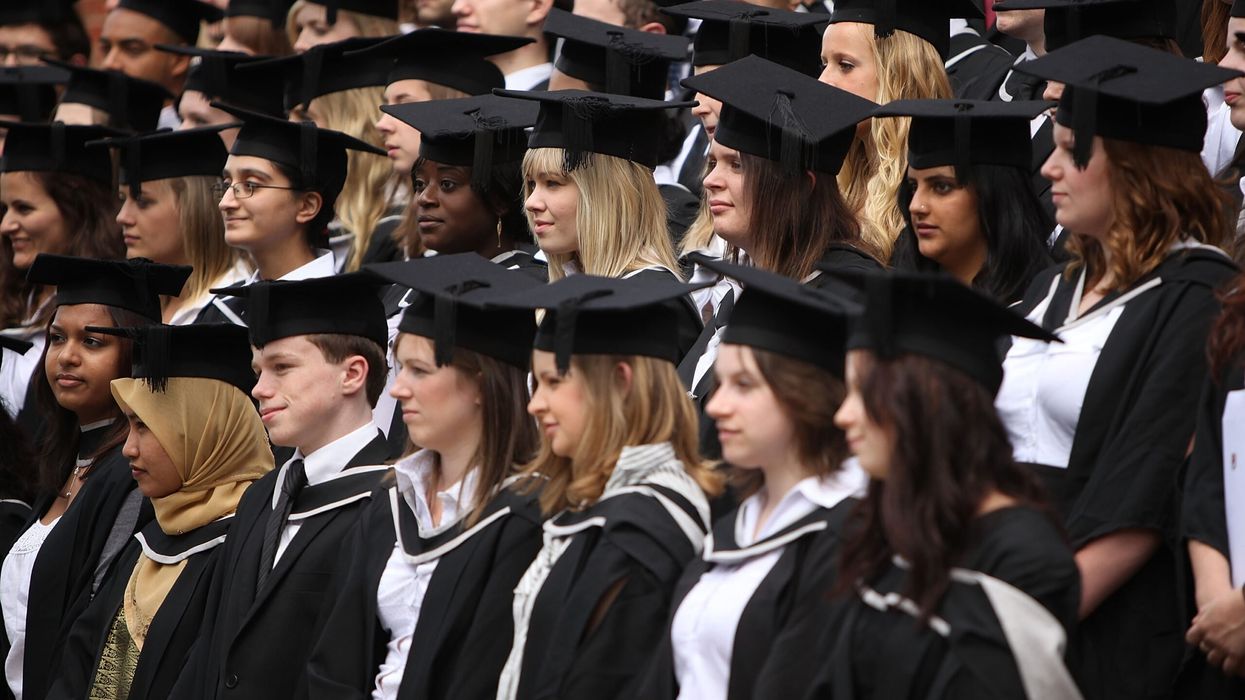

UNIVERSITIES are encountering financial struggle as data from the Home Office revealed a sharp decline in applications from international students for the upcoming academic year.
According to the Guardian, there has been a 40 per cent decrease in applications for sponsored study visas, indicating that previous government-imposed visa restrictions are still hindering recruitment efforts.
In the latest figures, the Home Office received 28,200 applications last month, down from 38,900 in June 2023.
Typically, the bulk of student visa applications arrive over the summer, and many universities are hopeful for an improvement by September. However, new data indicated that the sector may continue to face difficulties.
Enroly, a service that assists international students with university enrolments, reported a 41 per cent decline in deposits and acceptances by international students across 31 UK universities by the end of July.
This drop is most happened in master’s courses, which saw a 55 per cent decrease compared to 2023, while undergraduate numbers fell by 23 per cent.
Since January, international students enrolled in postgraduate courses or undergraduate degrees have been unable to bring family members or dependents on a student visa. Jeff Williams, Enroly’s chief executive, noted that recruitment for September has been in decline since the beginning of the year.
“Our UK university colleagues are working tirelessly to continue to attract international students to their programs. One positive note is that the intake appears to be catching up month-to-month from a very slow start. It remains to be seen where the final year-on-year numbers for September will land,” Williams was quoted as saying.
In the 2021-22 academic year, over 240,000 full-time international students began studying postgraduate courses, and 104,000 started undergraduate programmes. If Enroly’s data is indicative of the broader sector, around 150,000 fewer international students might join UK campuses this autumn.
Many universities depend heavily on the income from international tuition fees, especially with domestic tuition fees in England remaining frozen. Experts warn that this situation poses significant financial risks for the sector.
Mark Corver, chief executive of DataHE, a higher education consultancy, pointed out that the heavy reliance on international student fees is a consequence of the previous government's failure to increase domestic tuition fees from £9,250 over the past eight years.
“That’s caused a huge financial distortion that has driven universities to raise income by other means,” Corver explained.
He stressed that the upcoming A-level results in August will be crucial for the financial stability of universities. Improved exam results could lead to an increase in domestic students, which might help offset the anticipated shortfall from international students, the report added.