
Highlights
- High street footfall down 7.2 per cent compared to Black Friday last year amid cost of living pressures.
- KPMG predicts subdued 1 per cent GDP growth for 2026 as households remain cautious.
- Business confidence near record lows with hospitality sector warning of "extinction event".
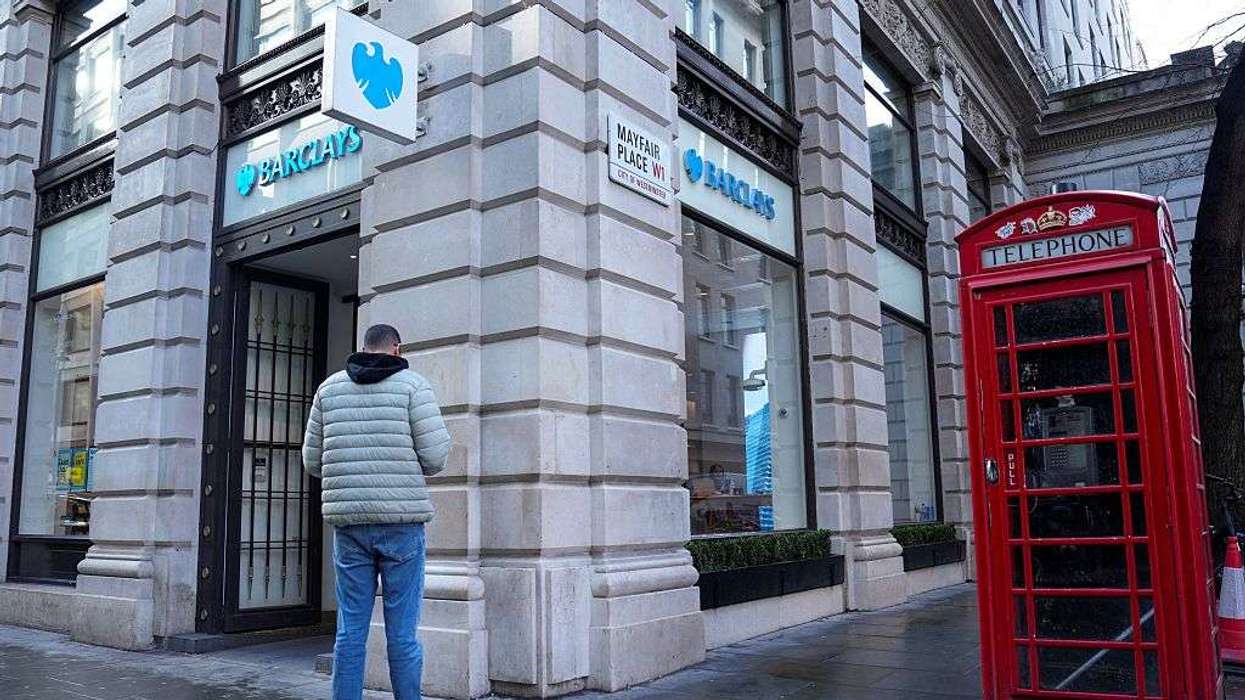
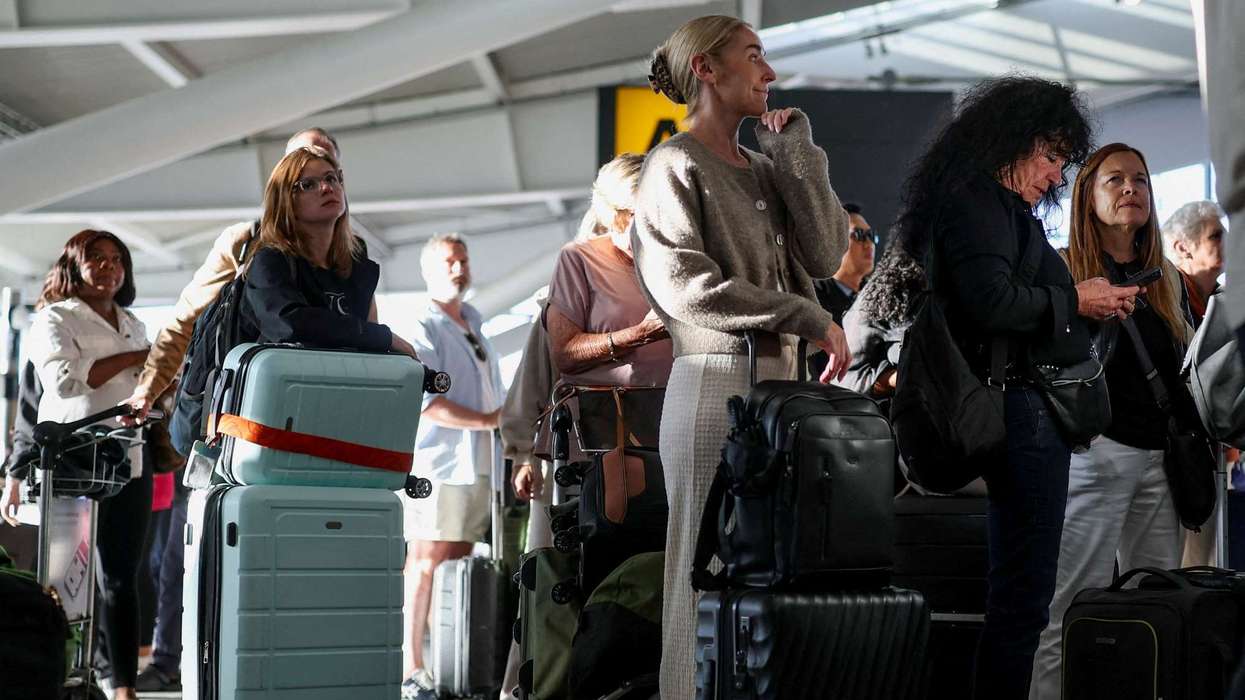
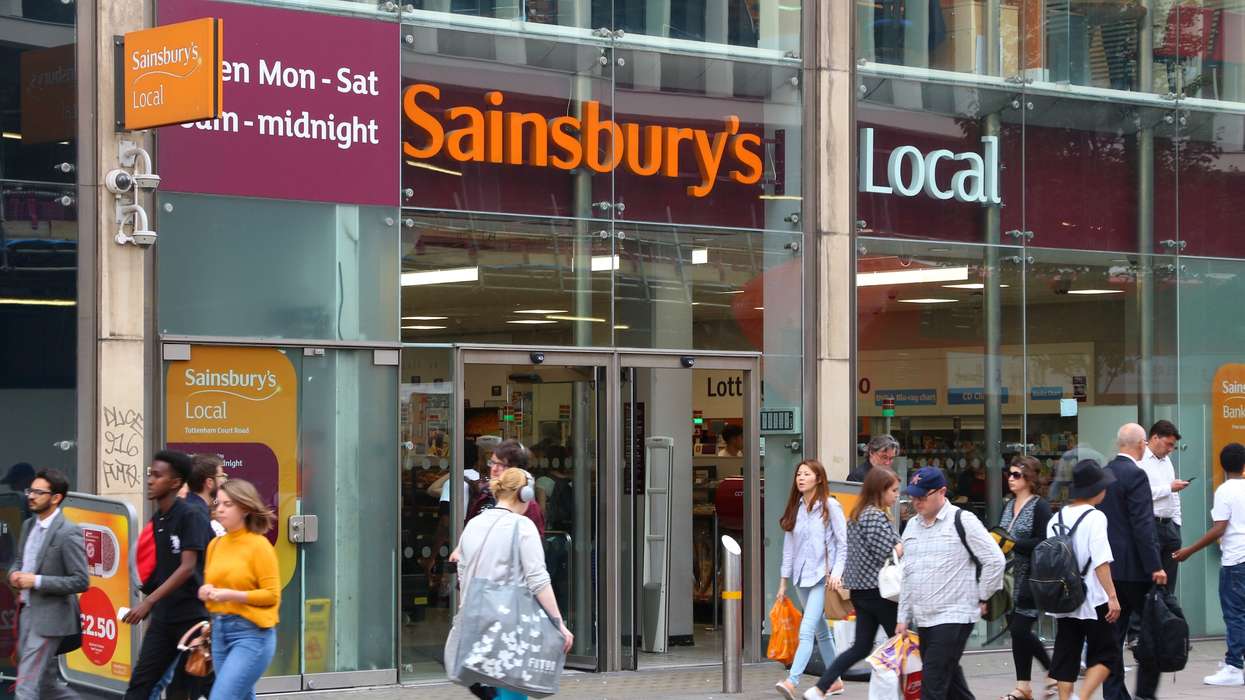
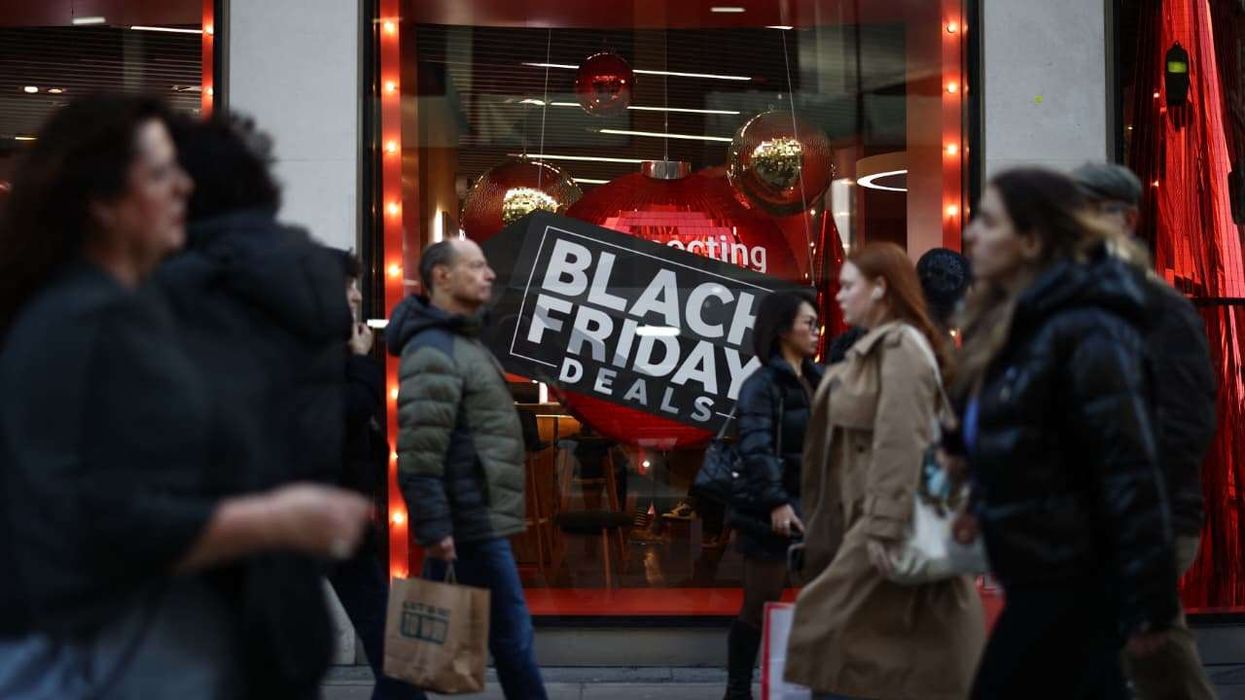
Visitors to all UK shopping destinations fell 2 per cent on Friday and 7.2 per cent compared with the equivalent days last year, according to monitoring company MRI Software. Only locations near central London offices experienced increased visits.
Jenni Matthews from MRI told the Guardian "The cost of living squeeze appears to be weighing on overall activity." The lacklustre figures emerged as consultancy KPMG warned that soft consumer spending would hold back the economy over the next 12 months.
Despite most of the £26 bn tax-raising impact from chancellor Rachel Reeves's budget not being felt until later, KPMG suggested cash-strapped households would continue to be cautious as unemployment rises to 5.2 per cent.
KPMG's chief economist, Yael Selfin, pointed that "The outlook for growth in 2026 is subdued, reflecting the impact of a cooling labour market and weak household spending." She predicted GDP growth of just 1 per cent for 2026 and 1.4 per cent for 2027.
The gloomy outlook was reinforced by separate reports showing business confidence at near-record lows. The Confederation of British Industry's services sector survey revealed the fastest decline in optimism for three years, with companies citing rising costs and uncertainty about future demand.
Deepening business gloom
The Institute of Directors reported its economic confidence index at -73 before the budget, improving marginally to -72 afterwards.
The hospitality sector faces particular challenges from business rates changes. Paul Crossman, chair of the Campaign for Pubs, said members would be "expected to pay more, in many cases vastly more" once existing support ends in April.
Alex Reilley, head of the Loungers chain, warned "Most (hospitality) businesses will be looking at an increase of some description and for our pub sector it could quite easily be an extinction event."
The government has pledged billions in "transitional relief" to support businesses hit by rate increases, though analysts suggest this merely delays the impact.