BRITONS spent a record £1.2 billion online buying groceries during a four week period in April and May as they shunned supermarket trips during the coronavirus lockdown, industry data showed on Wednesday (27).
The online share of 13 per cent of the grocery market in the four weeks to May 16 was up from 7 per cent at the same time last year and 10 per cent higher than in April, Market researcher Nielsen said.
Nielsen said 7.9 million British households placed an online grocery order, up from 4.8 million during the same period last year, including 1.1 million new online shoppers.
While online sales soared 103 per cent year-on-year, sales growth in stores was 6.6 per cent, despite visits to the shops being down 24 per cent.
But the amount shoppers spent on each visit they did make was up 45 per cent, with an average basket value of £21.6, reflecting a change in behaviour during the lockdown.
"Following over eight weeks in lockdown, UK shoppers are more accustomed to restricted living, and have adapted their grocery shopping habits to match," said Mike Watkins, Nielsen’s UK head of retailer and business insight.
"Online has been a clear winner ... as shoppers take advantage of retailers’ increased delivery capacity.”
Overall UK grocery sales increased by 13 per cent year-on-year, further emphasising a shift to the eat-out-of-home market to the supermarket sector as pubs, cafes and restaurants have been closed during the lockdown.
The biggest gainer during the 12 week period to May 16 was market leader Tesco, with sales up 11.7 per cent, while Sainsbury's, Asda and Morrisons rose by 11 per cent, 5.7 per cent and 9.4 per cent, respectively.






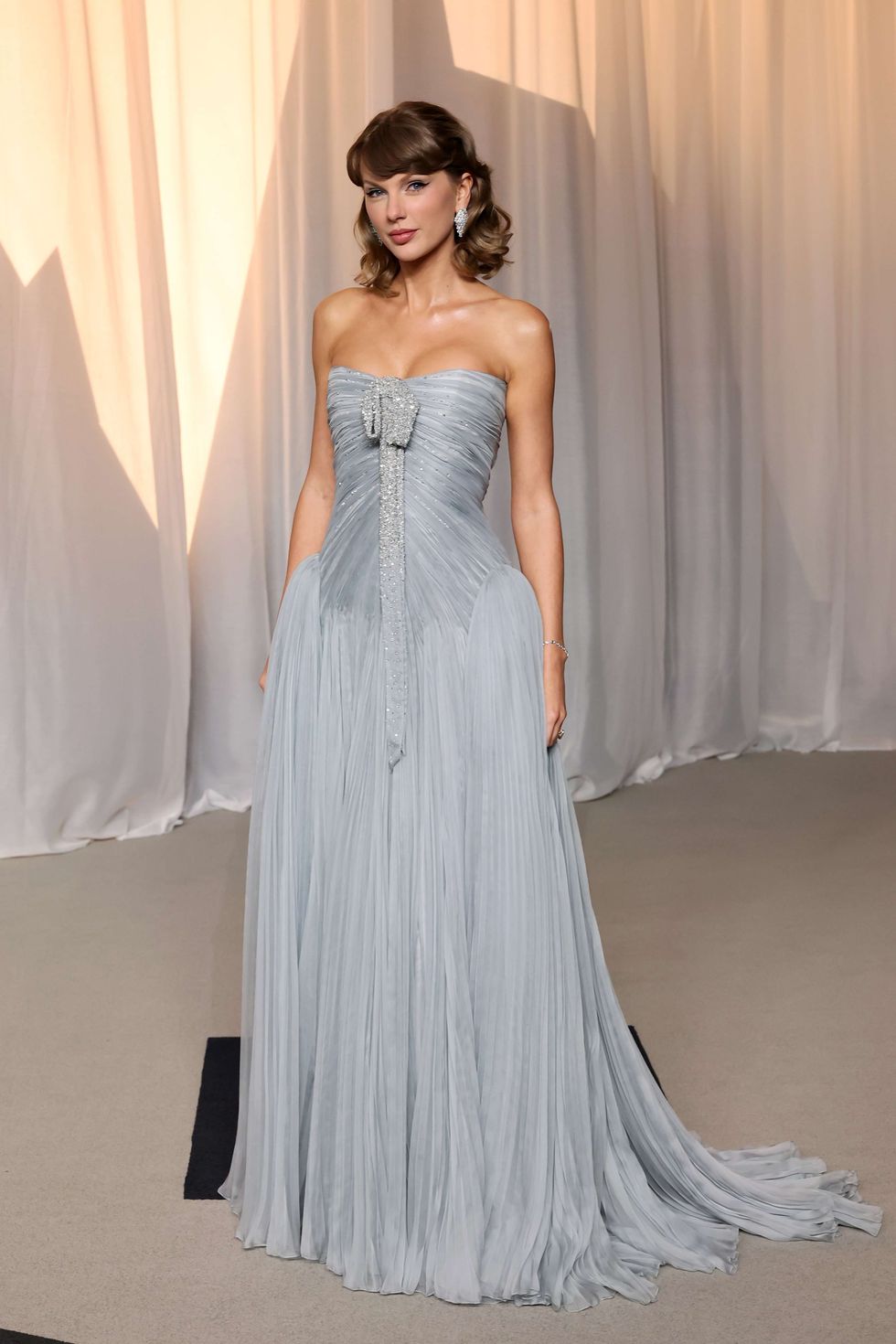 Taylor Swift opted for a strapless Dior gownGetty Images
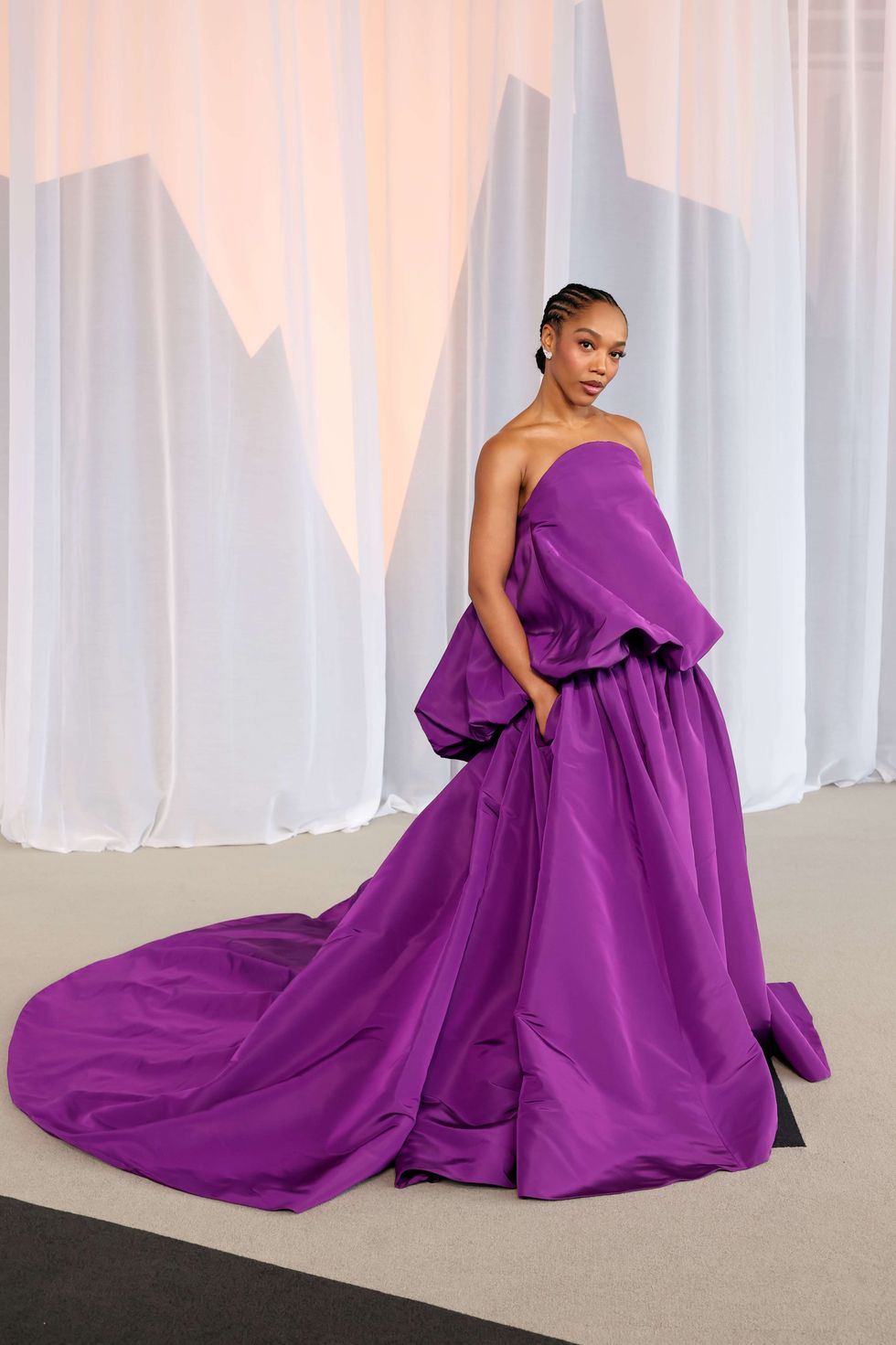 Naomi Ackie stood out in a custom aubergine Balenciaga gown Getty Images
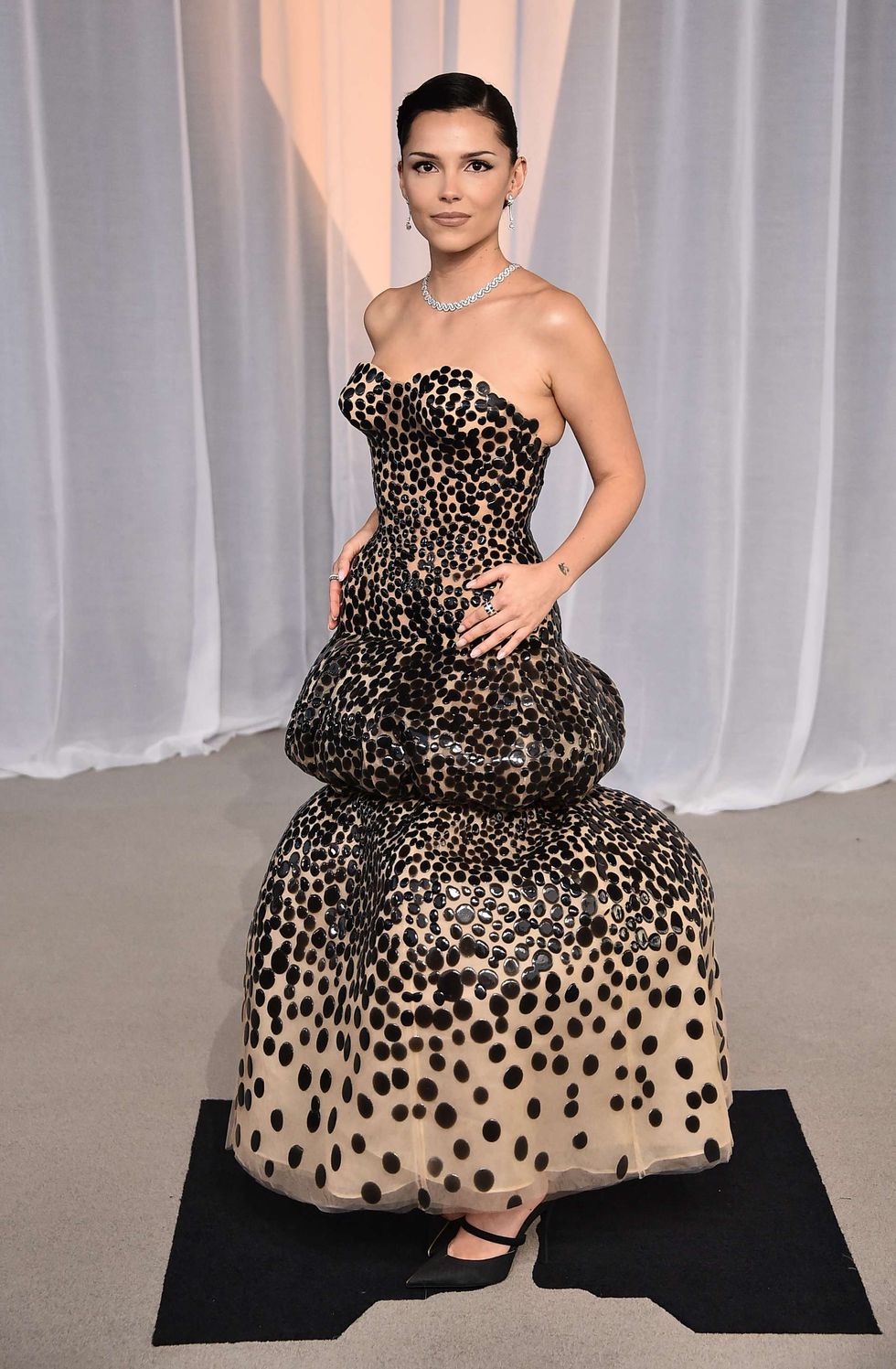 Inde NavarretteGetty Images
 Sabrina CarpenterGetty Images
 Cailee SpaenyGetty Images
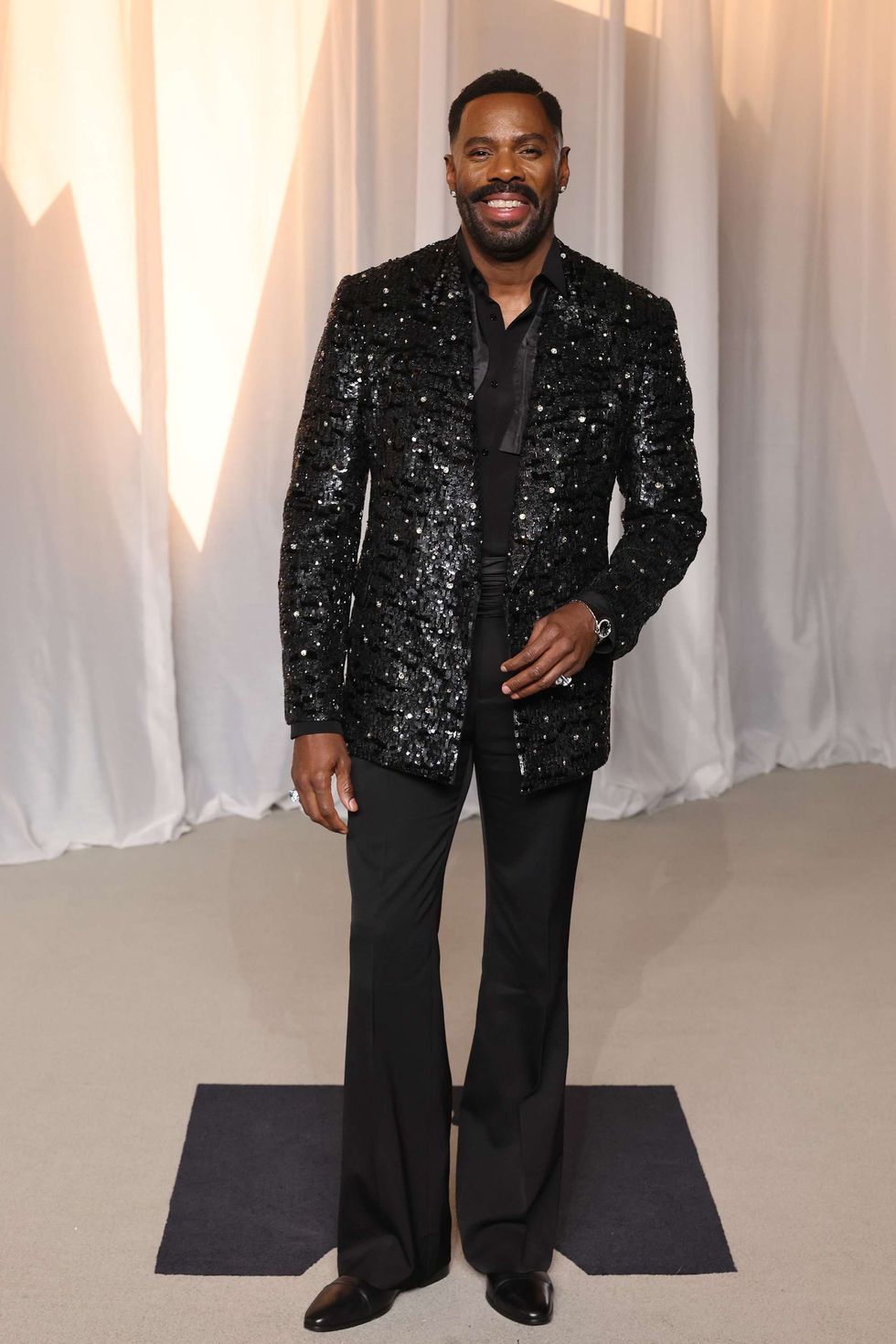 Colman DomingoGetty Images
 Gemma Chan took a more understated approach in a pink silk gabardine dress by PradaGetty Images
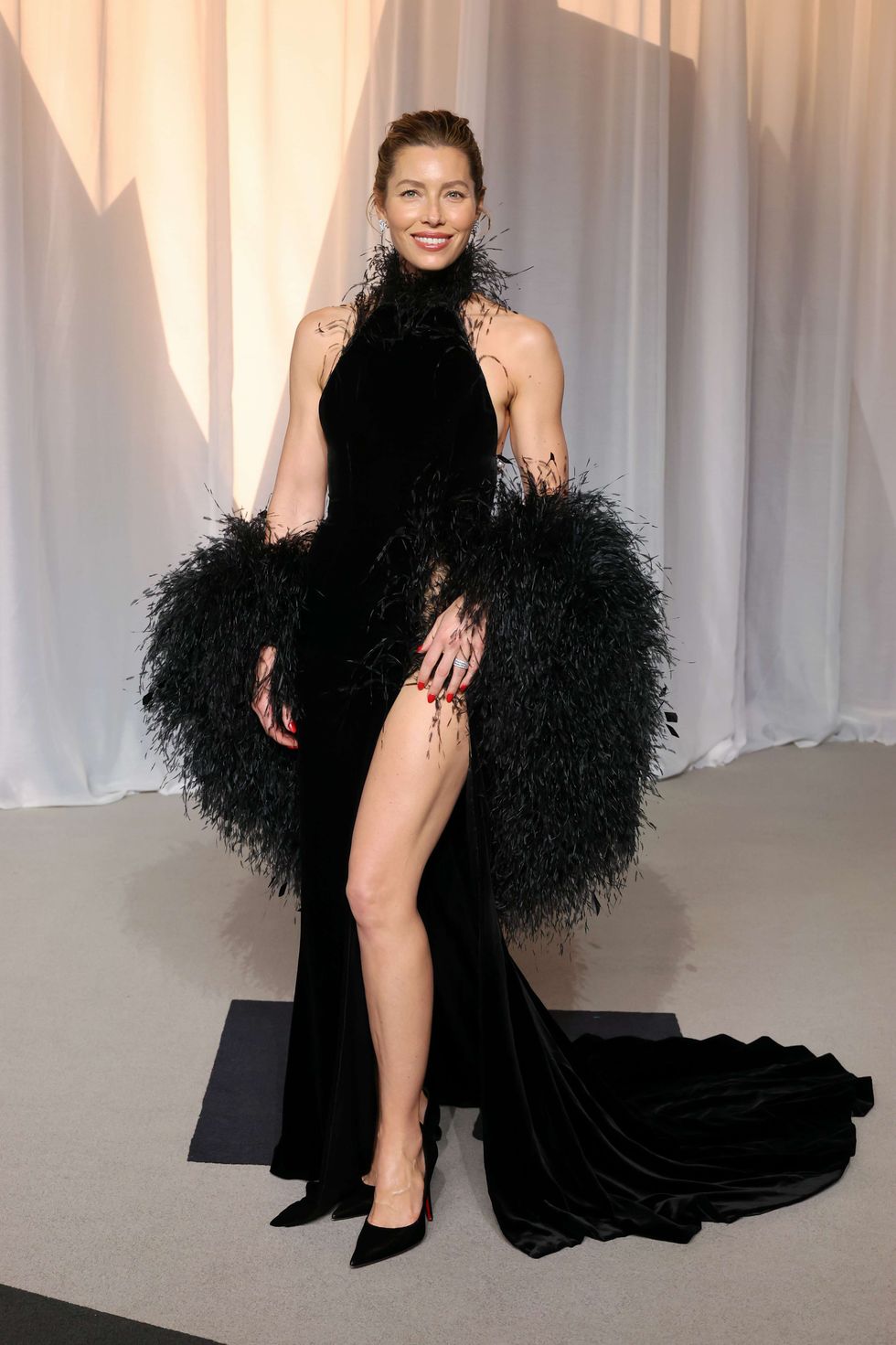 Jessica BielGetty Images
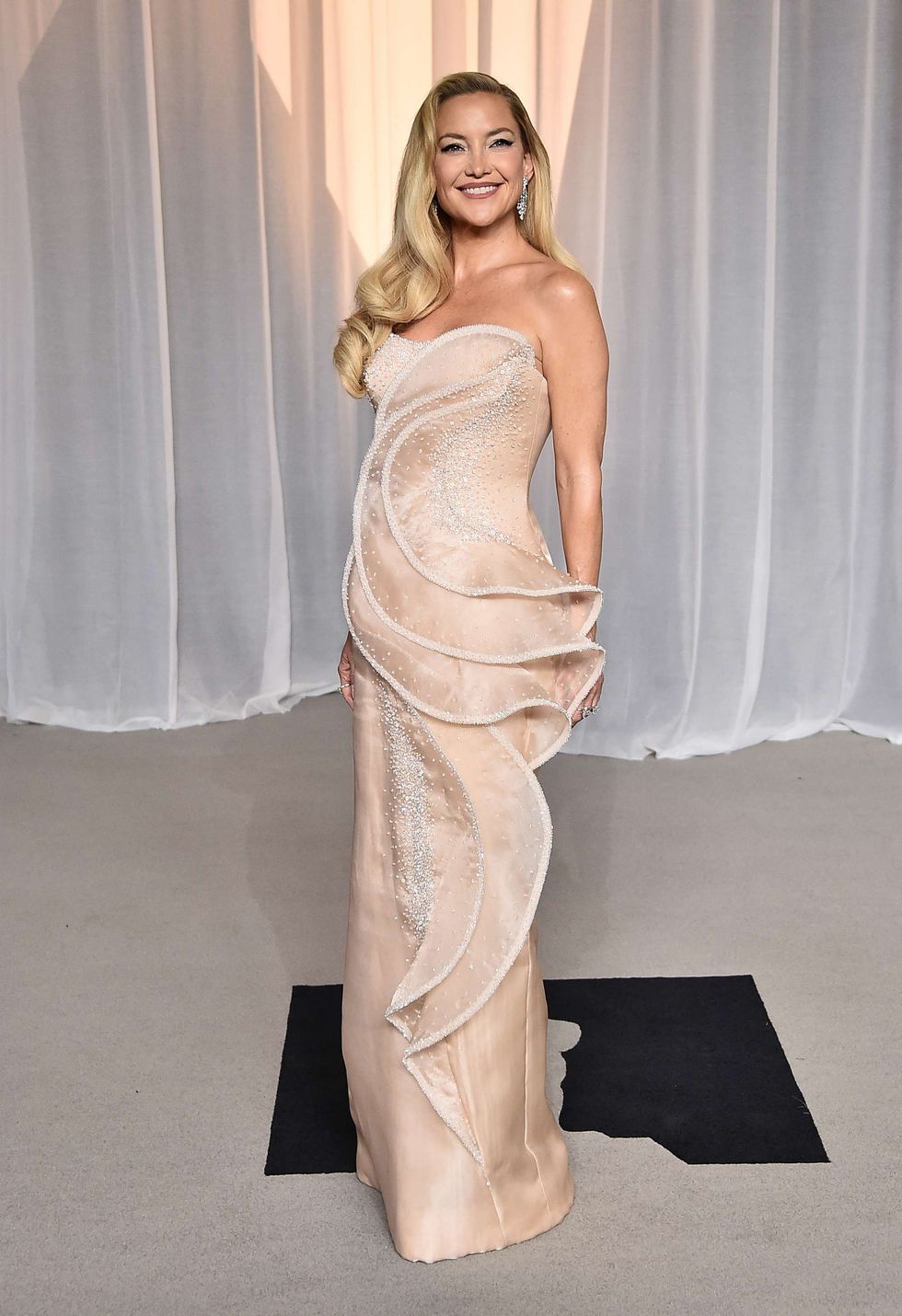 Kate HudsonGetty Images
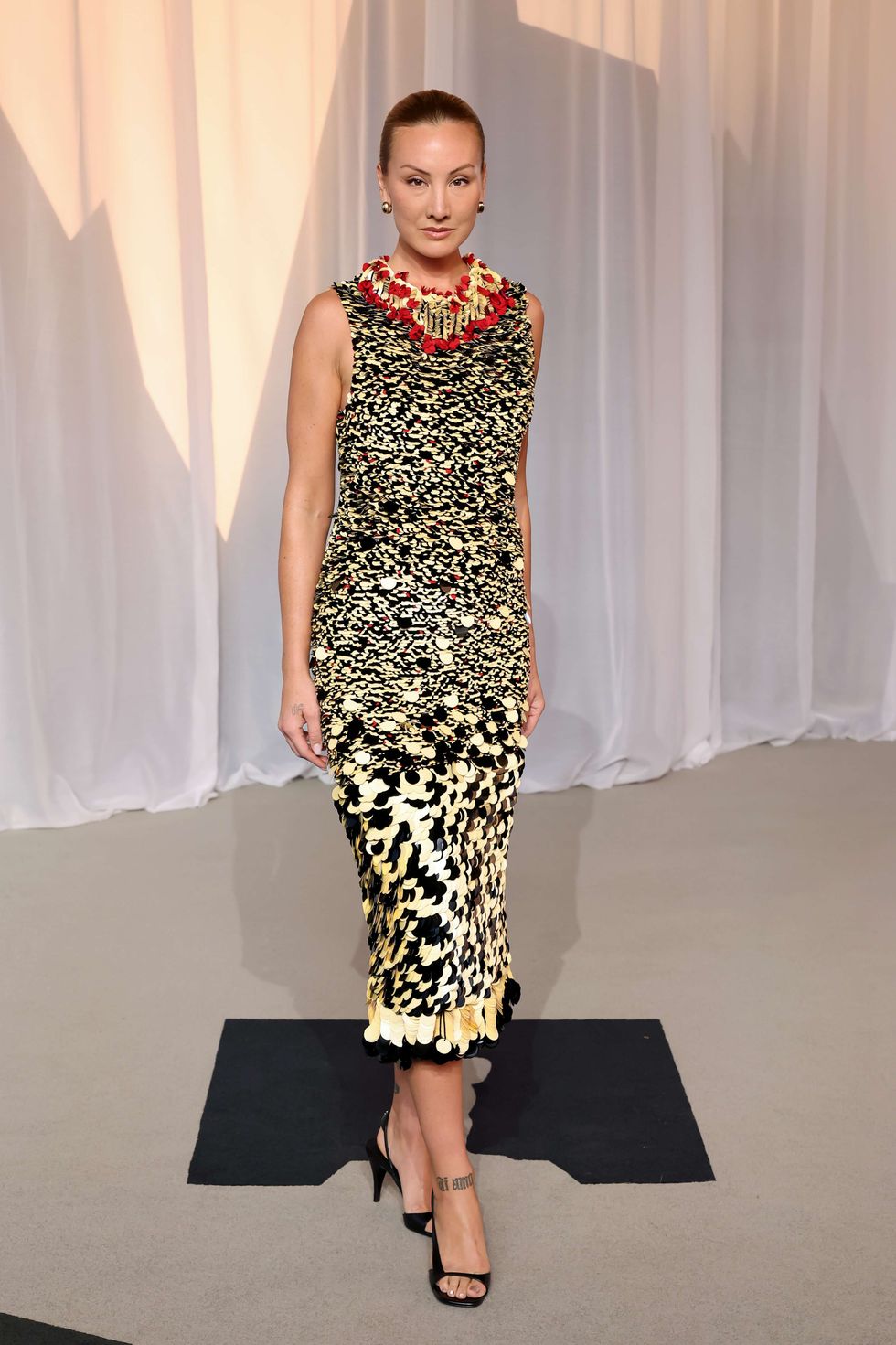 Miyako BellizziGetty Images