
Highlights
- Average UK rent stands at £1,320 monthly, up just 2.2 per cent year-on-year slowest growth since July 2021.
- Net migration drops to 204,000 in year to June 2025, down from record 906,000 in 2023.
- Rental demand falls 20 per cent while available properties increase 15 per cent compared to last year.
Rental prices across Britain are rising at their slowest pace in four years, as reduced migration levels and lower mortgage rates help ease the post-pandemic housing crunch.
The average cost of renting a home in the UK now stands at £1,320 per month, according to property search website Zoopla. This represents a 2.2 per cent increase from 12 months ago, the smallest year-on-year rise since July 2021.
The imbalance between supply and demand "has narrowed sharply" during 2025, Zoopla said, attributing the shift to cheaper mortgage rates enabling more renters to purchase homes alongside a "sharp decline in net migration".
Office for National Statistics estimates show net migration totalled 204,000 in the year ending June 2025, compared with 649,000 in 2024 and a record 906,000 in 2023.
These factors have resulted in 20 per cent fewer people seeking rental properties compared to last year, while available rental homes have increased by 15 per cent.
Regional market trends
Richard Donnell, executive director at Zoopla told The Times "The rental market has made a big stride back towards normality over 2025 after a prolonged period of sky-high demand and a lack of homes for rent".
This is welcome relief for renters, who can expect to see a greater choice of homes, slower rent increases and a less competitive market, he added.
During summer 2022, at the height of the rental crisis, UK rents surged by over 12 per cent annually. Regional variations persist, with Northern Ireland experiencing the fastest growth at 11 per cent year-on-year. London, Britain's most expensive rental market, saw a modest 1.6 per cent increase.
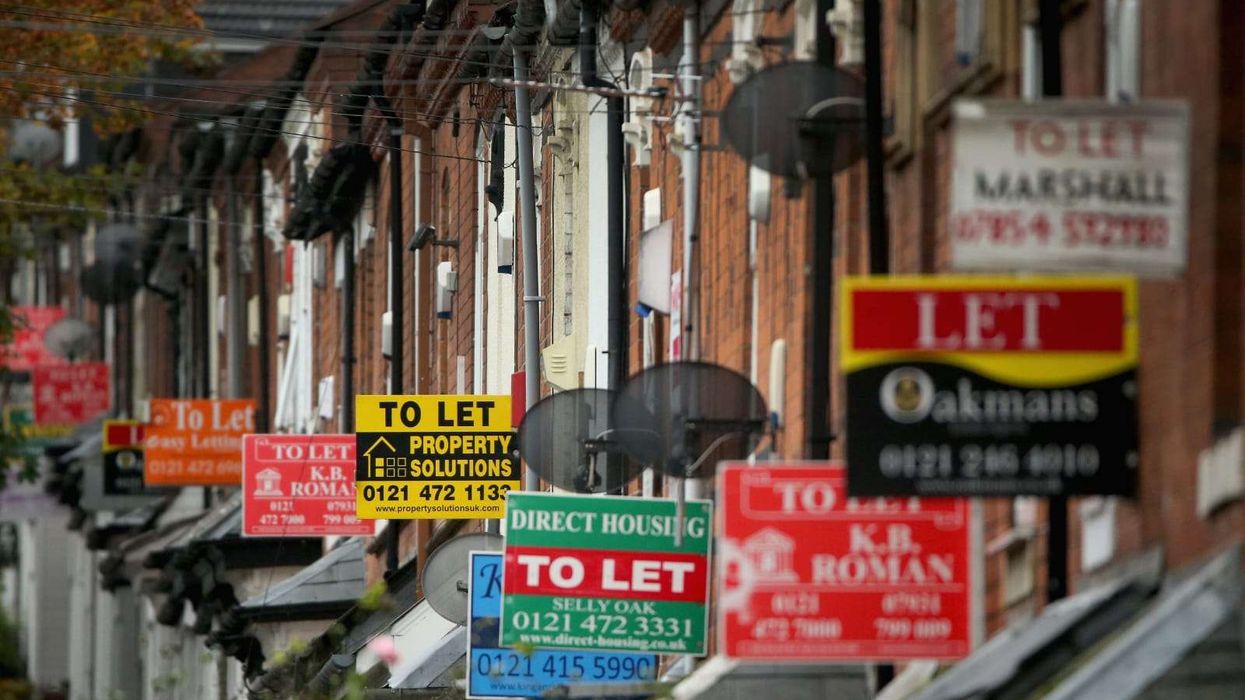
Some cities have witnessed rental decreases, including Birmingham where rents fell 1.5 per cent and Dundee with a 1 per cent decline.
Landlords now require an average 17 days to fill properties ,18 per cent longer than last year and 42 per cent longer than during the post-lockdown boom.
Zoopla forecasts rents will grow another 2.5 per cent in 2026, as demand continues exceeding supply despite market improvements.