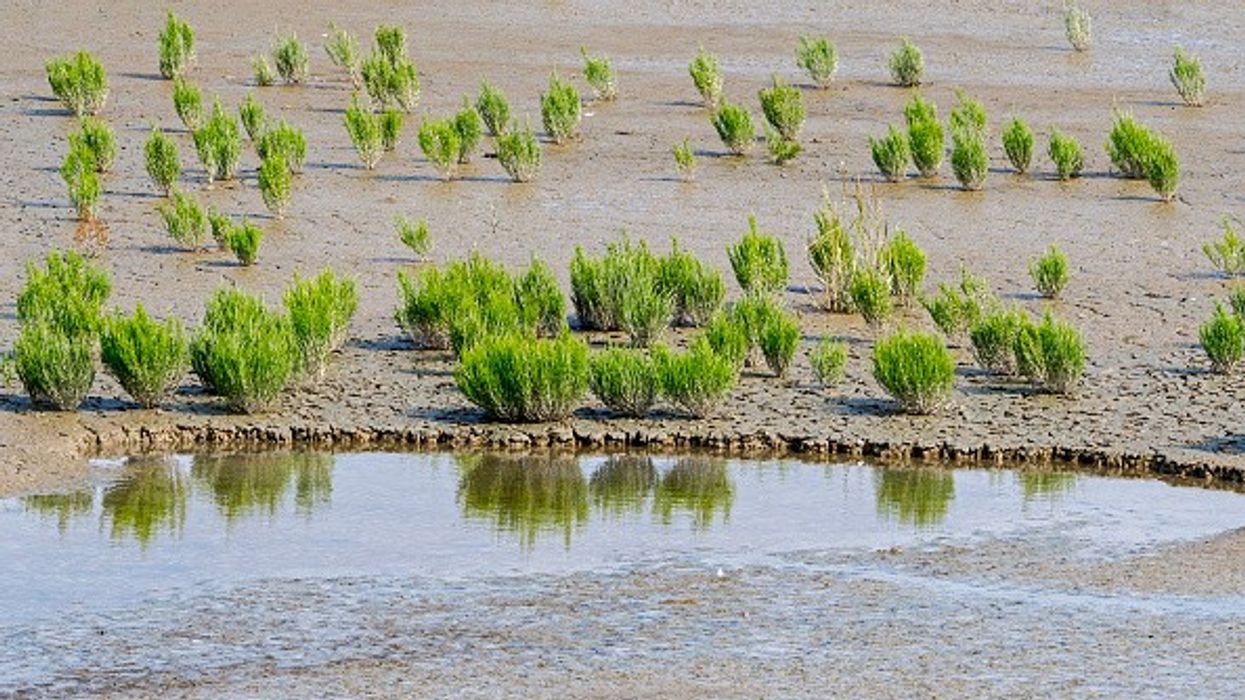

The UK’s saltmarshes are vital allies in protecting climate-warming greenhouse gases stored in the soil, according to a report from the World Wildlife Fund (WWF) in partnership with insurance company Aviva.
These habitats provide a refuge for wildlife, capture carbon, and help manage floods naturally by slowing the movement of seawater inland.
Often overlooked, saltmarshes are the unsung heroes in the fight against climate change, yet most have been lost to agriculture.
The report urges the government to add saltmarshes to the official UK greenhouse gas inventory to better track how much carbon is absorbed and emitted annually. WWF and Aviva argue that such inclusion would contribute to national reporting, improve funding access, and strengthen policies for the protection and restoration of these habitats.
Described as nature’s ‘carbon stores’, saltmarshes are increasingly at risk due to rising sea levels, the latest research warns.
They absorb and release significant amounts of greenhouse gases, with seasonal fluctuations—absorbing more in spring and summer than in autumn and winter.
Formal recognition is essential for the effective restoration and protection of these sites.
Scientists from the UK and WWF have installed solar-powered monitoring equipment at Hesketh Out Marsh, a restored saltmarsh in North-West England managed by the RSPB. This solar-powered “carbon flux tower”, funded by Aviva, measures the exchange of greenhouse gases in the area.
The state of saltmarshes varies by region. While marshes in Chichester and the Wash in East Anglia are expanding, those in North Norfolk and along the Ribble are under threat due to rising sea levels.
Estimates suggest that 85% of the UK’s saltmarshes have been lost since the mid-19th century. Yet, the remaining marshes still play a crucial role in defending the coastline from sea level rise and storm surges. They protect assets in England and Wales worth more than £200 billion.