
ARE we going backwards on race in Britain? It is not difficult to see why so many people now fear that we are.
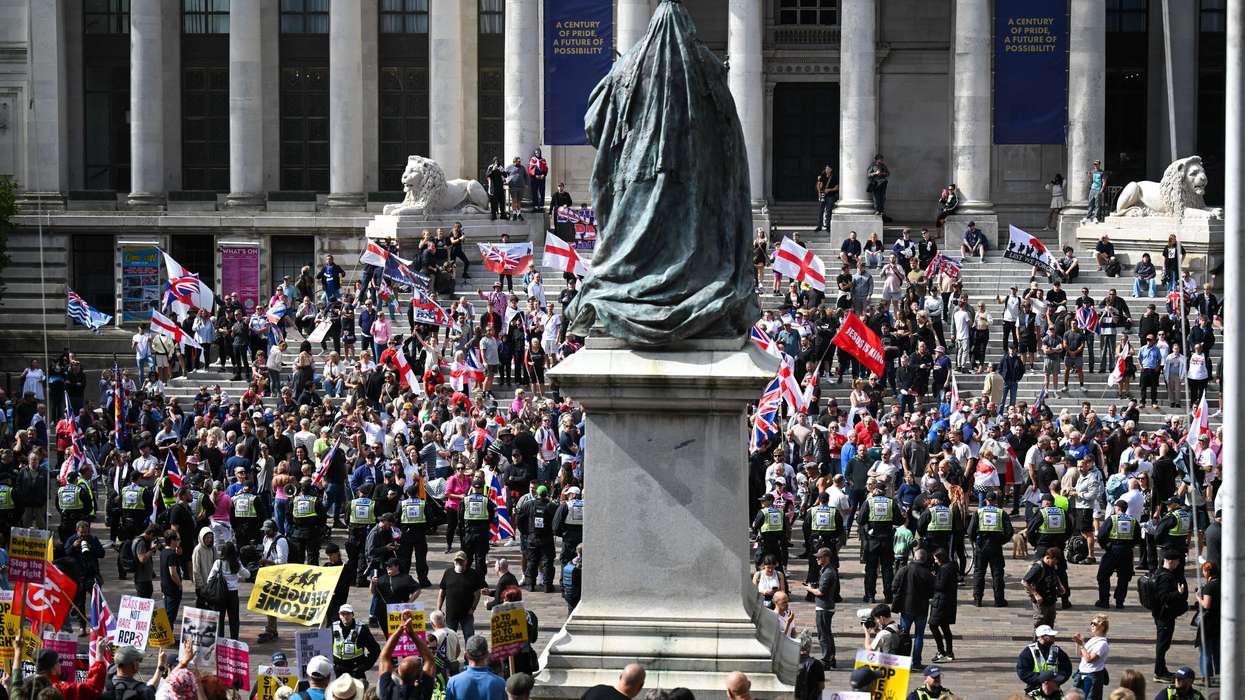
This month began with hundreds of men in balaclavas setting up roadblocks at Dover, their leader declaring that it was a “warning” about how a new ‘patriotic’ army was ready to take matters into its own hands.
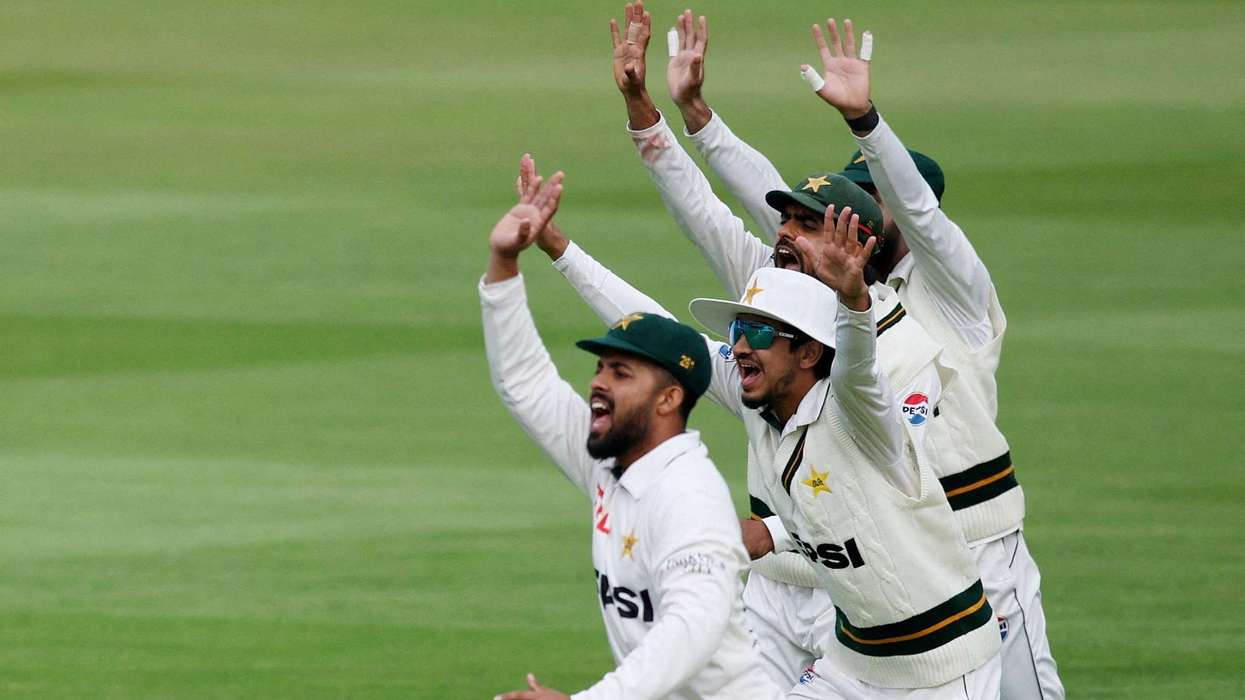
An online flashmob went hunting for asylum seekers in a Portsmouth hotel, only to find themselves pursuing Pakistan’s youth cricket team. It sounds farcical, yet too much focus on the idiocy of mistaken identification could risk unwittingly normalising vigilante mobs with better intelligence.
Many people from ethnic minority backgrounds in Britain do believe there was positive change against racism in our lifetimes, but now sense that it is going into reverse.
That is the sobering picture reported in a new British Future study, Race and Fairness in Fractious Times, the first output of a major three-year project, supported by the Nuffield Foundation, into public attitudes to race equality.
Many do want to hear a more vocal challenge to racist street movements that evoke memories of the 1970s and 1980s by seeking to make a politics of so-called remigration and racism more vocal and visible again today.
Almost half of ethnic minority respondents had experienced prejudice based on their race or ethnicity in the last year. This was a more common experience among younger people and partly demonstrates the resurgence of online racism.
Andy Burnham’s government will need to respond more confidently than it managed to over the last fortnight. Yet that challenge goes deeper than calling out unacceptable conduct.
A shared sense that Britain today feels much more divided than anybody would want is combined with contested views about what is driving that division – and which voices get heard or go unheard.
We also need political leaders able to counter the sense of a zero-sum contest over race equality: the feeling that fairness for ethnic minorities comes at the expense of the white majority, or vice versa.
Since ethnic minorities are – by definition – outnumbered, for several decades at least, they are more likely to lose out if pursuing race equality cannot be located within a broader politics of fair chances for all.
There is an increasingly complex pattern of opportunities and outcomes across and within majority and minority groups – by generation, gender and geography, social class and education – which contrasts with what can often be increasingly binary political debates about race and identity.
Take the vote of confidence in Britain’s integration story from the comparative school test scores last week, where English school scores bucked the west European trend by holding up as scores fell elsewhere.
One significant contributor to this was a contrast in the impact of diversity. It has long ceased to be surprising in Britain when the children and grandchildren of immigrants get above-average results here, but they still lag behind in most west European countries.
So more ethnic diversity was a boost to the UK’s results, especially in England, yet was a drag on the overall scores in France and Germany, Denmark and Sweden. There are new challenges – such as when the white working-class feel left behind by visible ethnic minority success.
Yet the research finds that ideas about how to tackle race and class together unlock broad public support. The politics of fair chances should bring social class into the equation, and this government is planning to increase its focus on socio-economic disadvantage.
The research shows that this can offer a powerful way to reflect the experiences of many people from both ethnic minorities and the majority group.
But that bridging opportunity could be lost if class barriers are talked about as a silo, as if these affected the white working-class alone.
Across nations and regions, the researchers also often heard people say that their local, lived experience contrasted positively with the darkening climate around the state of the nation.
Sometimes, those who lived in cities like London, Cardiff and Glasgow wondered if they were lucky to be in places where familiarity with difference had long become an everyday norm.
But others noted how much online debates could now dangerously skew not just people’s attitudes, but their conduct, too. There are realworld impacts if those with the most hostile views believe that racism is back in fashion.
The prime minister wants to promote a vision of a Britain that believes in itself again. A crucial test of that is to derail a sense of pessimism about ever-increasing division, before it curdles and corrodes public confidence about whether a shared society is possible.
The antidote depends on leaders able to proactively pursue an idea of fairness that does not pick one group over another, but which can resonate across the multiethnic society that Britain has become.