
- Sizewell C’s cost could reach £47.7bn, with construction expected to finish between 2039 and 2043
- Bill payers could face an additional £9.8bn during construction and £12bn over the plant’s 60-year operating life
- Ministers say the project could save £2bn a year across the energy system once operational
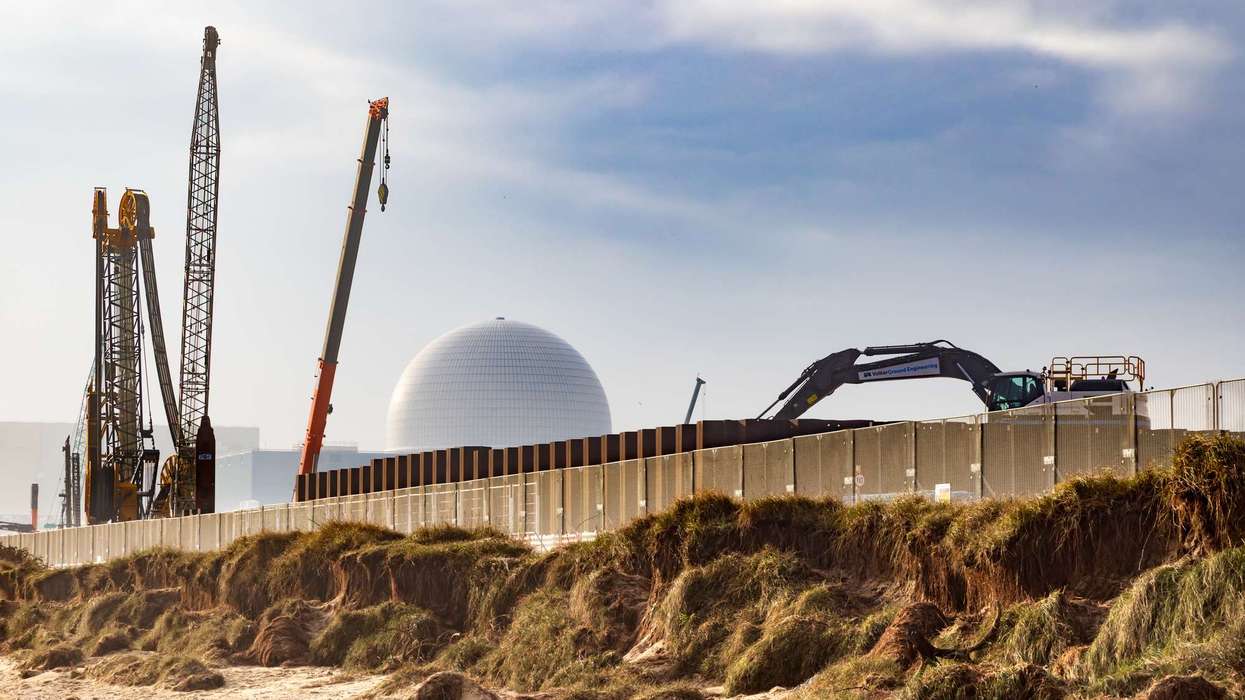
The UK government’s funding model for the Sizewell C nuclear power station could leave taxpayers and energy consumers facing £21.8 billion in additional costs, according to parliament’s spending watchdog.
The Public Accounts Committee (PAC) warned that the project in Suffolk represents a “terrible deal” for taxpayers, with the total cost potentially reaching £47.7bn. The government’s current estimate ranges from £40.5bn to £47.7bn, with construction expected to finish between 2039 and 2043.
According to the committee, consumers could face an additional £9.8bn during construction and a further £12bn through higher energy bills over the plant’s 60-year operating life if costs reach the upper end of the forecast.
The government holds a 44.9 per cent stake in the project after buying out Chinese state-backed nuclear developer CGN amid national security concerns. French nuclear developer EDF holds 12.5 per cent, British Gas owner Centrica has a 15 per cent stake, Canadian investment group La Caisse owns 20 per cent and Amber Infrastructure holds 7.6 per cent.
The PAC warned that while the public could be exposed to billions of pounds in cost overruns, private investors might need to contribute only an additional £30 million.
Committee chair Sir Geoffrey Clifton-Brown said the level of risk borne by taxpayers and consumers was “extraordinary”.
“Private investors look set for significant returns on their investments, while customers are likely to be saddled with higher energy bills,” he said.
He urged the government to focus on delivering the project successfully and building confidence in the UK’s nuclear industry, adding that future projects should not leave taxpayers in a similar position.
Government defends the project
The government disputed the committee’s assessment, arguing that it overlooked how the funding arrangements incentivised investors to complete construction as cheaply and quickly as possible.
A government spokesperson said Sizewell C could save £2bn a year across the energy system once operational, helping reduce costs for households. The spokesperson added that construction was making progress, with more than 2,000 workers on site.
The project is intended to provide reliable, low-carbon electricity and reduce the UK’s reliance on fossil fuels. Its design is based on that of Hinkley Point C in Somerset, which has experienced significant delays and cost increases. The government expects the design to help reduce risks at Sizewell C.
However, critics argue that the funding model places too much of the financial burden on the public. Alison Downes of the Stop Sizewell C campaign group and Professor Steve Thomas of Greenwich Business School have argued that abandoning the project could cost less than the additional energy bills households might face over its lifetime. They have also called on the government to rule out using the same funding model for future nuclear projects.
The nuclear industry has defended the need for new capacity. Tom Greatrex, chief executive of the Nuclear Industry Association, said Sizewell C would provide “clean, reliable and constantly available power”.
He argued that the plant could reduce the costs of balancing the electricity grid, where consumers pay for wind generation to be curtailed at certain times and gas-fired backup to be used at others.
The PAC has called on the government to provide its cost-scenario analysis within three months and publish progress updates every six months. It wants greater transparency over construction costs, the timetable, the impact on consumer bills and the expected returns for investors.
The project faces the challenge of delivering the electricity capacity the government says the UK needs while demonstrating that its financing arrangements offer value for money for the public.