
INFLATION rate in the UK has risen to its highest level, more than doubling in April, as per the data showed by Office for National Statistics showed on Wednesday (19).
The Consumer Prices Index rate hit 1.5 percent in April, attaining the highest point since March 2020 when the Covid crisis erupted in the country. The upswing, as compared to .7 percent in March, has stoked fears of a global inflationary spike as economies reopen.
The high levels of inflation rate appear to have caused by rising cloth and energy costs, coming at a time when the UK economy is set for phased reopening.
"Inflation rose in April, mainly due to prices rising this year compared with the falls seen at the start of the pandemic this time last year," said chief ONS economist Grant Fitzner. "This was seen most clearly in household utility bills and clothing prices."
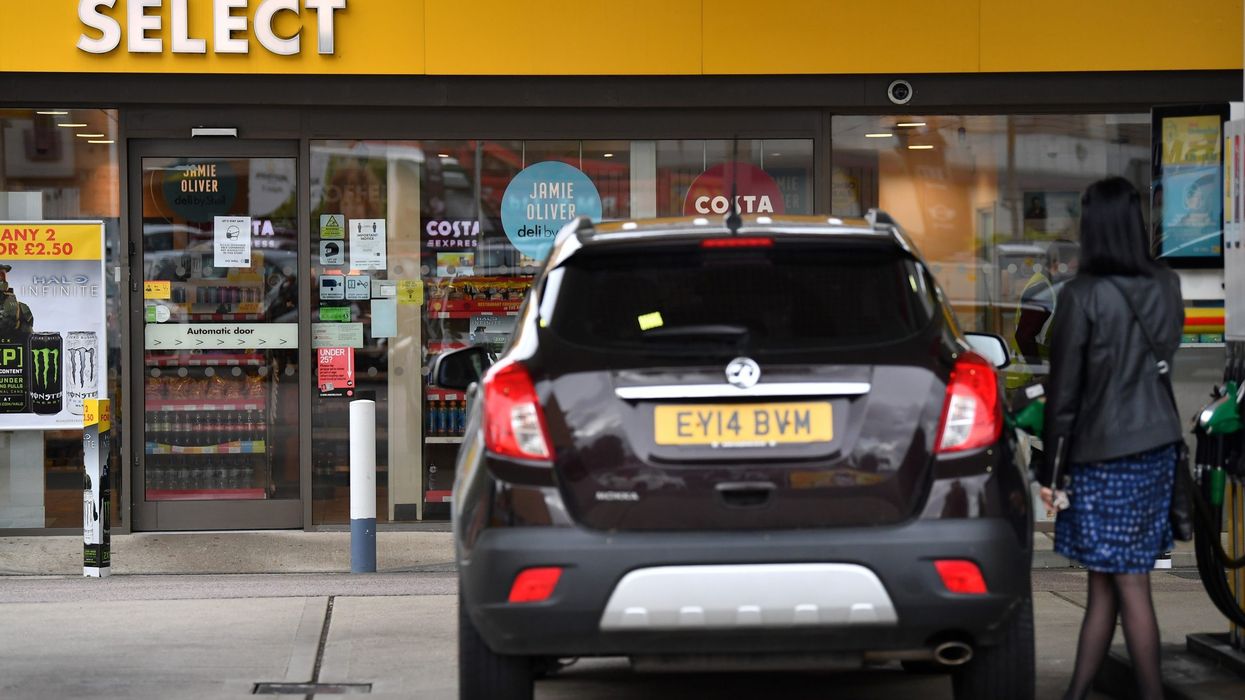
Prices of eating out in restaurants, staying in hotels, and clothing increased sharply in April after non-essential shops reopened and hospitality venues were allowed to serve customers outside. Energy prices also rose after the government recently increased its electricity and gas tariff cap along with rising crude oil prices that fed higher costs for motor fuels, which are now at their highest level since January 2020.
The Bank of England had already warned that energy price hikes would push UK inflation beyond its 2.0-percent target this year. It is watching movements in the prices of goods and services "extremely carefully" for signs if the country’s inflation rate is set to spike beyond the expected rate, BoE governor Andrew Bailey said on Tuesday (18).
Britain is meanwhile exiting lockdowns at a gradual pace, with the economy showing signs of recovery at the end of the first quarter, as per recently-released data.
Gross domestic product jumped by 2.1 percent in March while unemployment dipped to 4.8 percent in the first quarter, aided by the state's jobs furlough scheme that has kept millions in work during the pandemic.