
BUSINESS activity between the UK and India has seen a significant surge over the past nine months, according to data from HSBC UK.
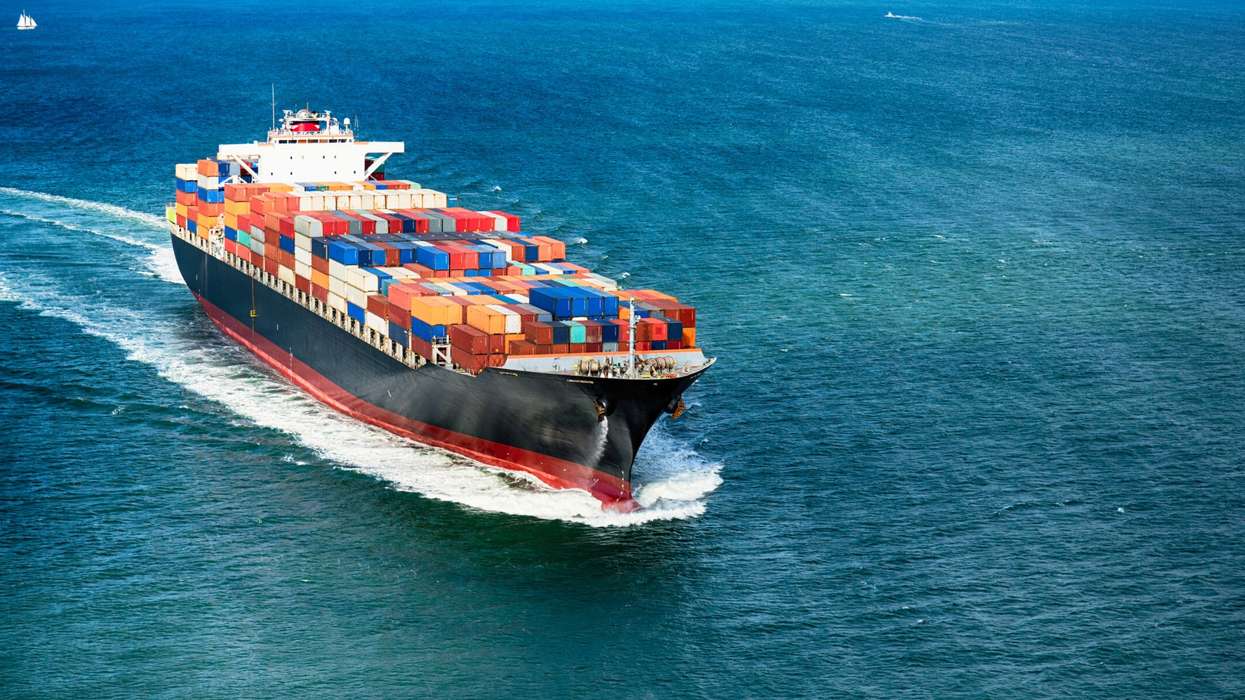
Payments from UK clients to India increased by 32 per cent, while payments received from India rose by 121 per cent in the nine months leading to October, The Times reported.
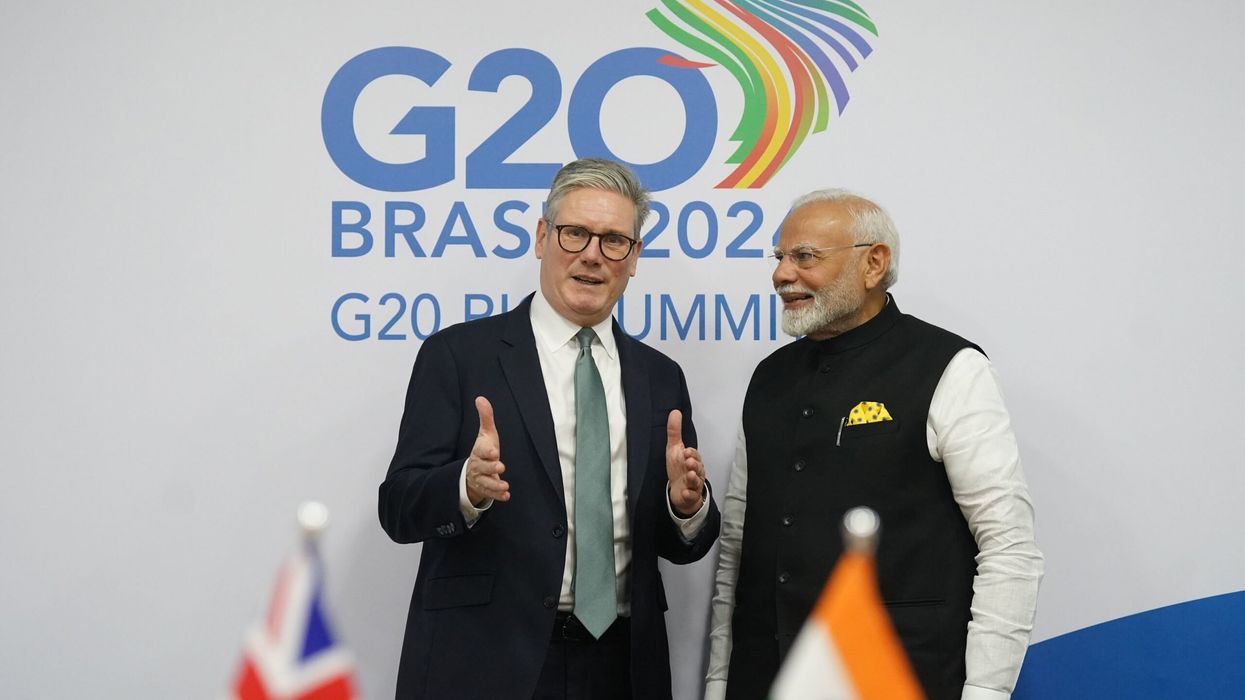
The data highlights the strengthening trade ties as the UK and India prepare to resume trade talks in January. This follows Keir Starmer's bilateral meeting with Indian prime minister Narendra Modi at the G20 summit.
“It is a really strong two-way trade,” Stuart Tait, head of commercial banking at HSBC UK, told The Times. He highlighted India’s urbanisation, infrastructure investments, and growing affluence as key factors driving UK businesses’ involvement.
Global Metcorp, a UK company exporting scrap metal, noted steady demand from India. “We have existing and continuous demand for scrap metal there, as well as in surrounding countries,” said Ashish Chaudhari, its director.
Vineet Sharma, managing partner at Paritra Investment Research, pointed to Scotch whisky and defence equipment as areas with significant export potential for the UK.
India’s high-tech manufacturing and service sectors also play a role in strengthening ties. Stuart Tait noted the increasing complexity of work handled by India’s service centres and the capability of the Indian workforce.
Foreign direct investment (FDI) has also grown, with HSBC UK reporting a 36 per cent year-on-year increase in client referrals from HSBC India.
In 2022, India contributed £10.2 billion in FDI to the UK, while UK investment in India reached £20.1 bn.