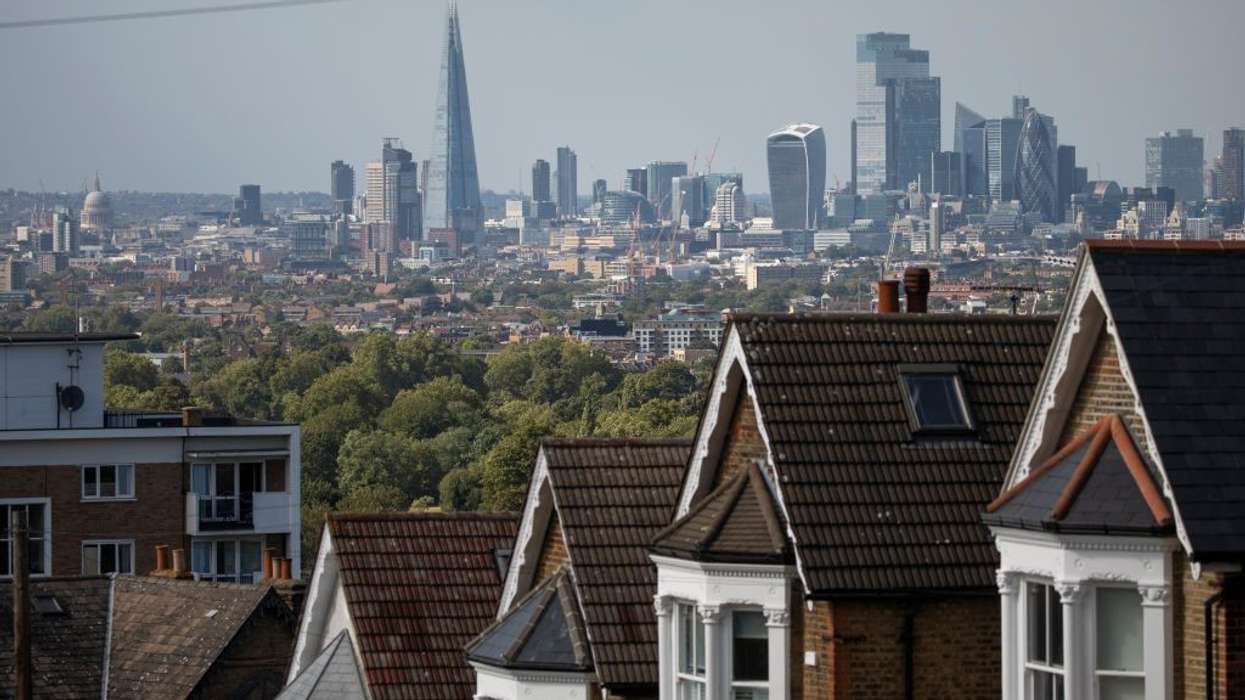

- New-home registrations fell 13 per cent year on year to 26,231 in the third quarter of 2026, according to the NHBC.
- Registrations in the rental and affordable housing sector dropped 23 per cent, while private sector registrations fell 8 per cent.
- The Government is preparing details of a proposed 2.5 per cent deposit scheme for first-time buyers as it pursues its target of delivering 1.5 million homes in England.
The UK Government faces a fresh challenge in meeting its housing target after registrations for new-build homes fell 13 per cent in the third quarter, pointing to a shrinking pipeline of properties entering development.
Figures from the National House Building Council (NHBC), a major provider of warranties and insurance for newly built homes, show that 26,231 homes were registered in the three months to the end of September 2026, down from 30,279 in the same period last year.
The decline comes as affordability pressures continue to weigh on buyers and developers face barriers to delivering new homes. Private sector registrations fell 8 per cent to 18,359, while registrations in the rental and affordable housing sector dropped 23 per cent to 7,872.
The figures offer an indication of the homes entering the construction pipeline rather than the number of properties completed during the quarter. With the Government aiming to deliver 1.5 million new homes in England over the current Parliament, the latest data highlights the scale of the challenge facing the industry.
Attention is now turning to the Budget and the proposed Your First Home initiative, which is intended to help first-time buyers get on the property ladder with a smaller deposit.
Why are new-home registrations falling across the UK?
The NHBC said affordability pressures and barriers to housing delivery continued to affect the market. Its figures show that the downturn was widespread, although the scale of the decline varied considerably by region.
The South East of England and Northern Ireland recorded the steepest annual falls, with registrations down 32 per cent in both areas. Wales recorded a 24 per cent decline, while the East of England fell 20 per cent and the East Midlands dropped 19 per cent.
The North East and North West also recorded falls of 18 per cent and 17 per cent respectively. Scotland was down 5 per cent, while the South West saw a smaller decline of 3 per cent.
Some regions moved in the opposite direction. Registrations rose 27 per cent in Yorkshire and the Humber and 10 per cent in the West Midlands, showing that the national downturn has not affected every part of the market equally.
London's registrations were broadly flat year on year, falling 1 per cent to 1,223 homes. However, the longer-term picture remains subdued. Registrations in the capital fell from 5,130 in the third quarter of 2019 to 1,223 in the same quarter of 2026.
The NHBC noted that London's figures can fluctuate sharply because the timing of large developments affects quarterly totals. Even so, the longer-term decline raises questions about the pace at which new housing is entering the pipeline in the capital.
Daniel Pearce, chief strategy officer at the NHBC, said: “The housing industry is at a critical point.”
He added: “Demand remains fragile, affordability is stretched and our latest figures show that the pipeline of new homes is continuing to shrink.”
Can the Government's first-time buyer scheme help close the gap?
The proposed Your First Home initiative is intended to make buying a new-build property more accessible by allowing eligible first-time buyers to put down a 2.5 per cent deposit, with the Government providing an additional 20 per cent through an equity loan.
Further details, including household income and local property price caps, are expected to be set out in the Budget. The aim is to direct support towards buyers who need it, although the scheme's eventual impact will depend on its design and eligibility rules.
Pearce described the proposed scheme as a welcome step towards addressing affordability, but said more clarity was needed on how it would work. He also called for action on planning, regulatory certainty and the conditions needed to give housebuilders and investors confidence to commit to new projects.
The Government has set a target to deliver 1.5 million new homes in England during this Parliament. Housing Secretary Angela Rayner said in September that achieving the target would be difficult because of international economic pressures, but insisted she would not abandon it.
The Budget is also expected to include more than £1 billion for social and affordable housing, alongside additional borrowing powers for councils to fund housebuilding.
The latest figures suggest that improving access to mortgages and deposits will be only one part of the challenge. If developers continue to register fewer homes, the Government will also need to address the factors holding back construction and investment.
The next test will be whether the Budget provides enough clarity and support to encourage both buyers and developers. The proposed scheme may help some households take their first step towards home ownership, but increasing the supply of homes will require progress on the wider barriers facing the building industry.