
THE ECONOMY grew by 0.1 per cent in November, marking a slight recovery after contractions in September and October, according to data from the Office for National Statistics (ONS).
This modest increase followed chancellor Rachel Reeves’ October budget, which introduced significant tax hikes for businesses. However, the growth was weaker than the 0.2 per cent rise expected by economists.
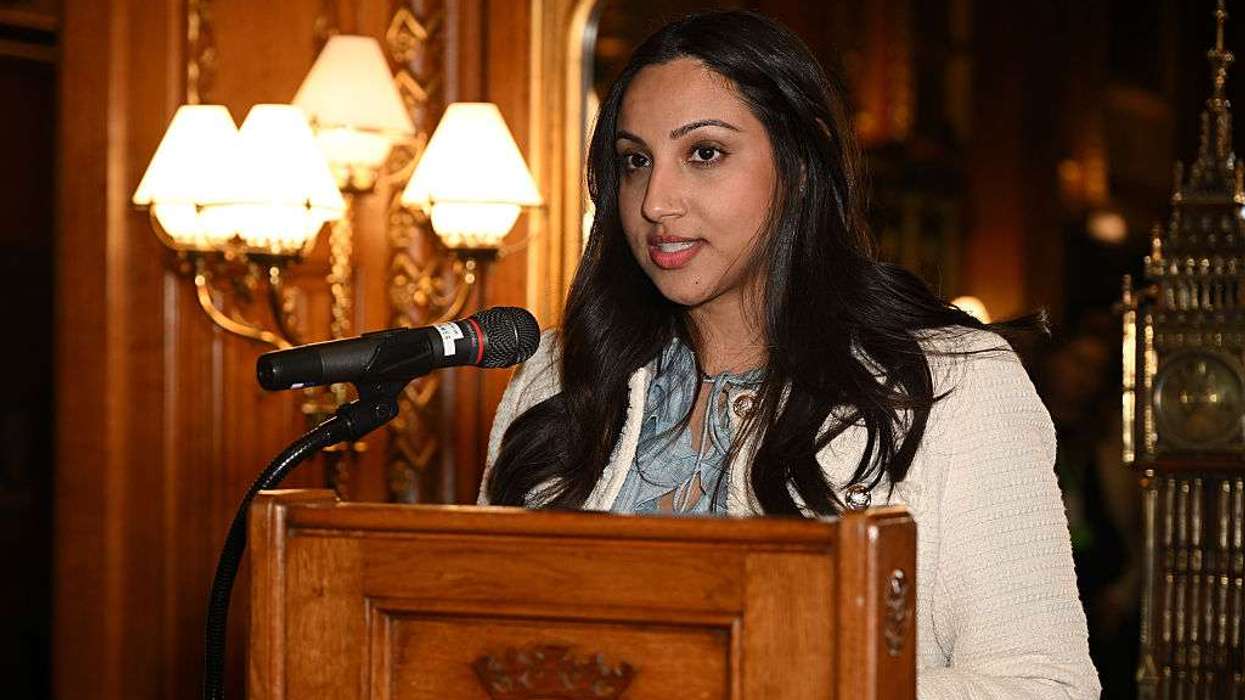
Reeves stated she is “determined to go further and faster to kick-start economic growth” and plans to meet regulators to discuss how they can support the government’s efforts to accelerate the economy.
Prime minister Keir Starmer has also pledged to achieve the fastest per capita GDP growth among the Group of Seven advanced economies.
Despite the slight growth, challenges remain. Ben Jones, lead economist at the Confederation of British Industry, noted a cautious mood among businesses following the budget.
“Many firms are entering 2025 with a focus on reducing operational expenditure, which is likely to weigh on pay, hiring and investment in the months ahead,” he said.
Rob Wood, chief UK economist at Pantheon Macroeconomics, said the economy continues to face pressure from recent tax increases and global uncertainty, particularly after Donald Trump’s US presidential election victory.
However, Wood expects the Bank of England to cut interest rates in February, adding, “We think the outlook remains brighter than the late 2024 data suggest, and talk of recessionary risk is wide of the mark.”
The ONS reported that growth in the services sector, driven by wholesaling, pubs, restaurants, and IT companies, supported November’s economic expansion.
However, manufacturing and oil and gas sectors experienced declines. Production output fell by 0.4 per cent, while construction rebounded by the same margin.
The economy showed zero growth in the third quarter of 2024, with uncertainty over the budget affecting businesses.
The Bank of England expects the economy to have flat-lined in the final quarter of the year. Some analysts have warned the economy may have contracted overall in that period.
Government borrowing costs recently surged due to concerns about slow economic growth but fell sharply after lower inflation data in the UK and the US suggested that interest rate cuts could happen sooner.
Sterling fell slightly against the US dollar before recovering some losses, and UK government bond yields steadied following a significant drop.
Investment strategist Lindsay James from Quilter Investors highlighted that the full impact of the budget is still to come, with the rise in social security contributions starting in April. She also pointed to potential global risks, saying, “Trump’s inauguration is nearing, and the true effects of his policies will start to be felt later in the year.”
Looking ahead to 2025, some analysts caution that tighter financial conditions and higher taxes could negatively affect business investment. Yael Selfin, chief economist at KPMG UK, warned that a “gloomy business mood on the back of higher taxes and a potential escalation in trade conflicts could set back business investment.”
Despite these challenges, Reeves reaffirmed her commitment to driving economic growth. “That means generating investment, driving reform and a relentless commitment to root out waste in public spending,” she said. “I will fight every day to deliver that growth and put more money into working people's pockets.”
Compared to the previous year, the UK’s economic output in November was 1.0 per cent higher, falling short of economists’ forecasts of 1.3 per cent growth.
(With inputs from agencies)