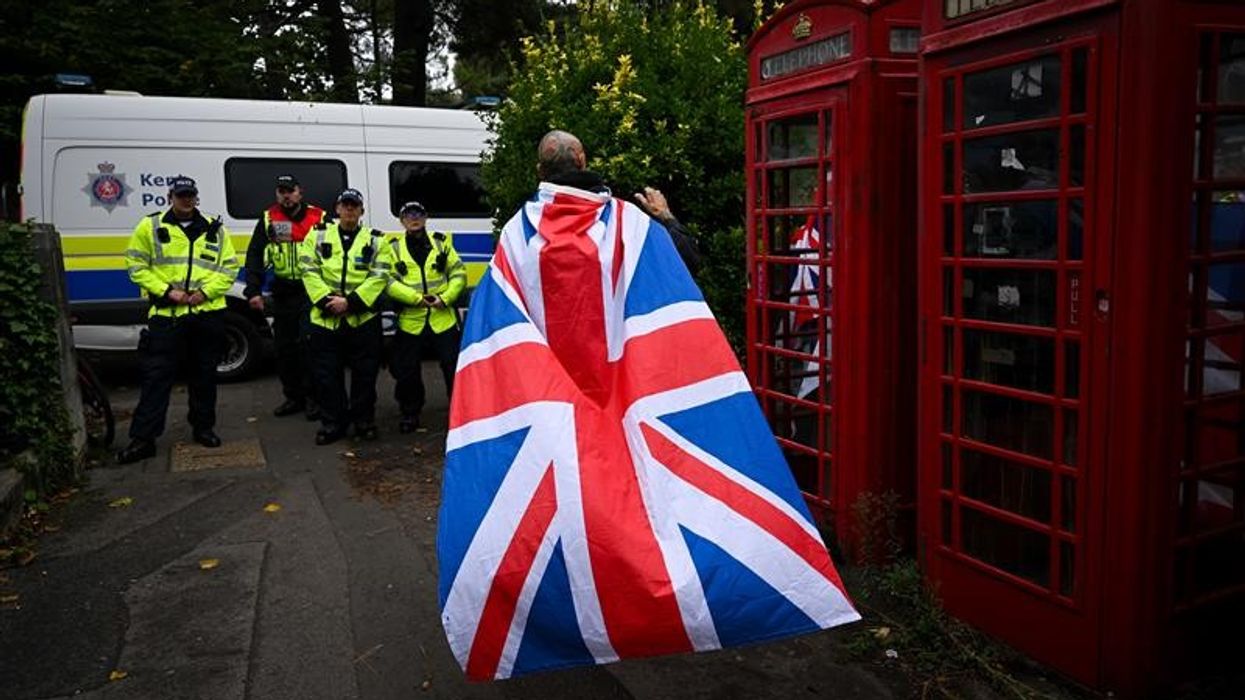

THE recent debate about flying the national flag has become fierce.
The responsibility for the polarisation of the flag debate lies wholly with left wing councils, like Birmingham, which set a damaging precedent by orchestrating the removal of the Union Flag and St George’s Crosses from public places.
Councils have garnered national attention for their apparent rejection of British symbolism. However, they have failed to adopt the same approach for other flags which have been flying for months and were not subject to the same crackdown. In a bizarre sign of the times even Downing Street had to confirm the prime minister’s patriotism!
The Union Flag and the St George’s Cross are reminders of Britain’s history and honour those who came before us. They represent all who devoted their lives to protecting the nation and the principles it upholds. People of every ethnicity and faith have fought for the ideals that define modern Britain – democracy, liberty and the rule of law.
As a British Muslim MP, I was deeply proud to lead a debate in parliament marking the 80th anniversaries of VE Day and VJ Day. The end of the Second World War saw Britain and its allies unite to defeat fascism and tyranny. We must never forget these sacrifices, including those of the brave men and women from the Commonwealth who served alongside British troops.
My wife’s grandfather, Lance Corporal Samundar Khan, was among them. He received the Indian Distinguished Service Medal as part of the 7th Battalion of the 16th Punjab Regiment, fighting under the British flag with fellow Muslims, Christians, Sikhs, Jews, Buddhists and many others.
More than 10 per cent of British armed forces personnel come from minority groups, and we should not forget the Gurkha regiment of Nepal, renowned worldwide for bravery and dedication. They too serve under our flag – a banner that represents democracy, courage, diversity and tolerance. It does not belong to a political party, any religion or ethnicity. That is what makes it important: the Union Flag and St George’s Cross belong to us all. As a British Muslim of Pakistani heritage, I feel deep pride when I see our flags flying above schools, hospitals and parliament. My religion and background are central to who I am – and so is my nationality. Pride in Britain does not mean denying my heritage, just as pride in my heritage does not deny my Britishness.
We must stop treating these parts of our identity as partisan divides and instead see them as complementary elements of who we are. Modern Britain should be a place where we are proud of both our heritage and our nationality – not forced to choose one over the other.
As a British Muslim, I have often been targeted by political populists seeking to construct ‘us vs them’ narratives. To fellow British Muslims, I say: do not let hate force you to conceal your identity. You are cornerstones of modern society — serving in the NHS, leading in politics and educating our children. Your contribution should be celebrated, and that celebration can begin with pride in our flag, which has symbolised British Asian representation for over a century.
Our parents and grandparents came to Britain with little more than determination and dreams. Through grit and perseverance, they helped shape the modern nation we know today — under the same Union Flag and St George’s Cross that still fly above us. For too long, however, others have dictated what those flags stand for.
Extremists on the far right have tried to twist the Union Flag and the St George’s Cross into emblems of exclusion. But these banners should remain symbols of unity, representing equality, freedom and the many communities and events that have shaped this nation. Whether at sporting arenas, military parades or civic celebrations, the flag must stand for pride and togetherness – never division. We are proud, we are British, we are English, we are one nation.
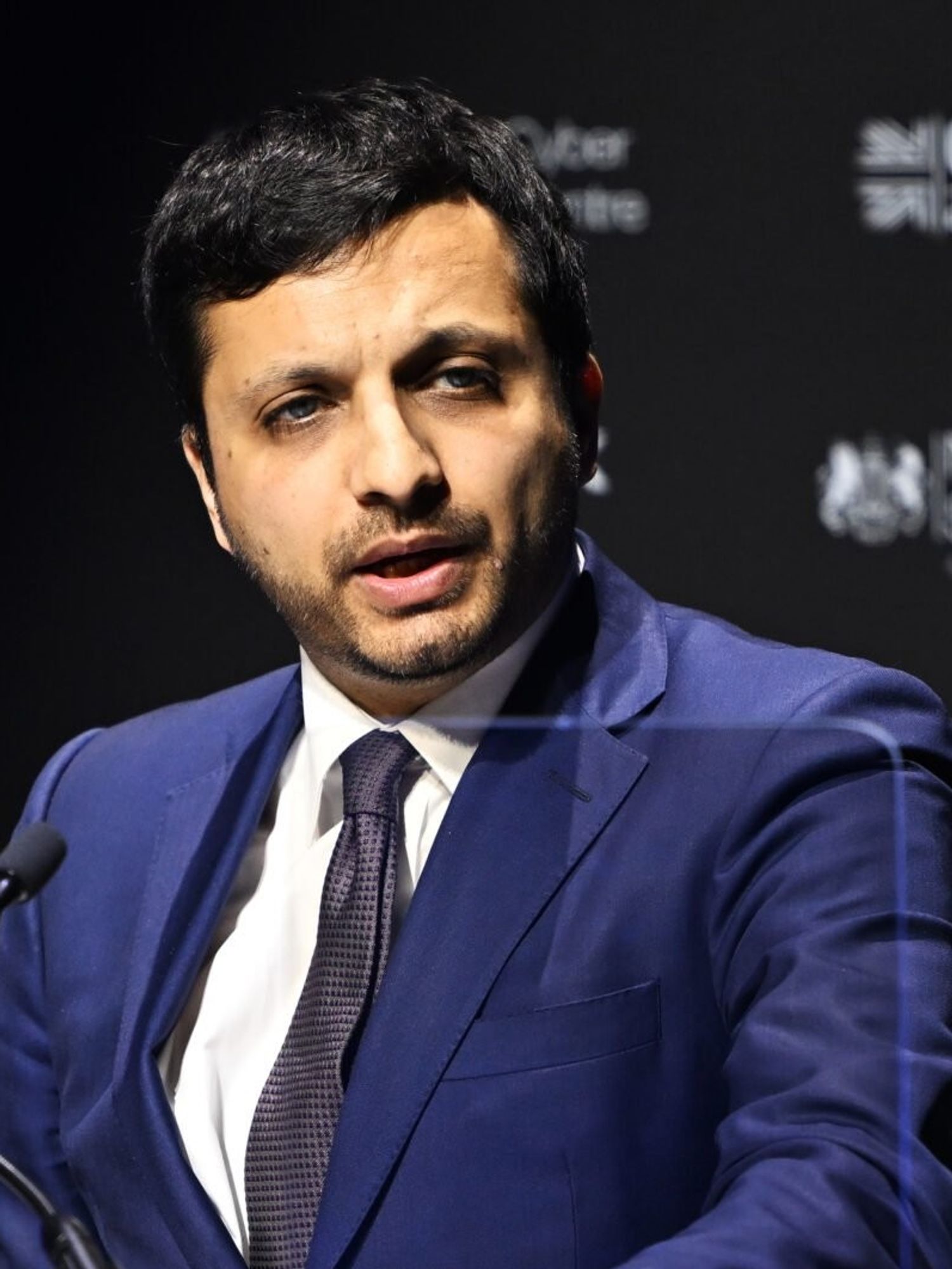
Saqib Bhatti is a British Conservative Party politician and the MP for Meriden and Solihull East.




 Dr Kalpana Lakhani Garavi Gujarat