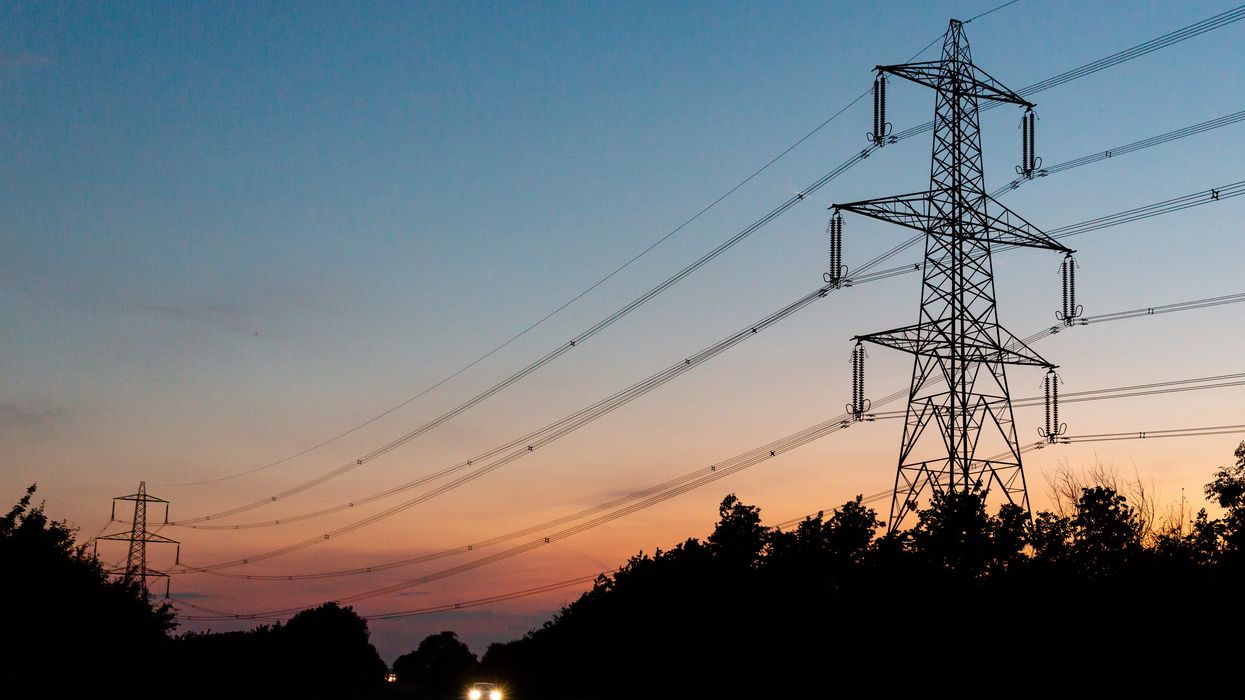

THE GOVERNMENT announced on Monday that households living near new electricity pylons will receive discounts on their energy bills.
The move is part of efforts to expand electricity infrastructure, despite opposition to large-scale projects needed to connect renewable energy to the grid.
From 2026, households within 500 metres of new or upgraded electricity infrastructure will receive bill reductions of up to £2,500 over 10 years, the Labour government said in a statement.
The government is introducing planning and infrastructure legislation to speed up approvals for major projects. The bill, set for discussion in parliament this week, aims to reduce bureaucratic hurdles.
Along with energy bill discounts, developers will be required to fund community projects, including sports clubs, educational programmes, and leisure facilities, according to the statement.
"Under powers in the government's upcoming Planning and Infrastructure Bill, households within 500 metres of new or upgraded electricity transmission infrastructure will get electricity bill discounts of up to £2,500 over 10 years," the statement said.
The privately owned National Grid is planning a £35 billion investment by 2031 to upgrade England and Wales’ electricity network. The scale of the project is the largest since the 1960s.
The government noted that Britain's electricity grid was originally designed in the 1930s to connect coal-fired power stations. As the UK shifts away from fossil fuels and electricity demand increases, an overhaul is necessary to ensure efficient power distribution, it said.
Opponents argue that alternatives to pylons have not been properly considered. Some groups are preparing legal action against the infrastructure plans.
Rosie Pearson, founder of an action group in England's East Anglia region, criticised the bill-reduction scheme, calling it an attempt to "bribe" local communities "in return for destruction of their local environment and businesses."
"Project developers must not be allowed to pay to destroy nature," she told AFP.
If projects proceed, "residents and businesses need to be fully compensated for their financial losses," she said.
Prime minister Keir Starmer has pledged to push through major infrastructure projects and reform Britain’s planning rules.
Overriding obstacles to development has been a key part of the Labour Party’s agenda since winning the general election last July.