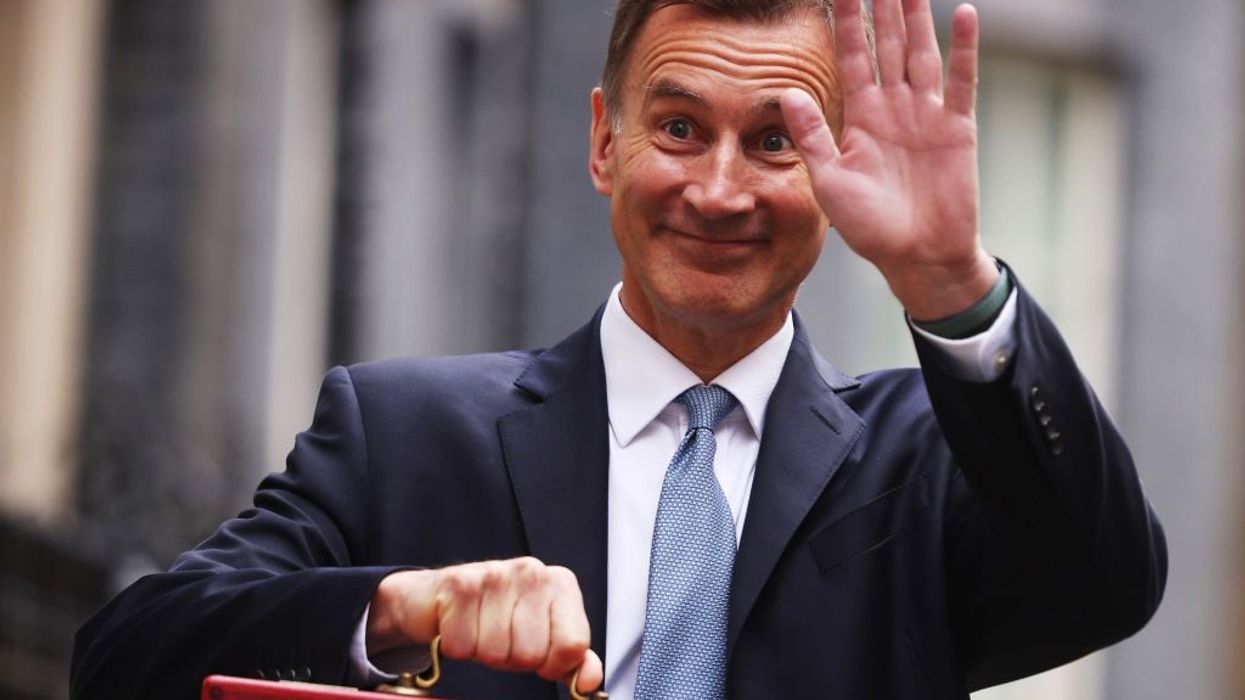
Britain's economy is set to avoid a recession in 2023, chancellor of exchequer Jeremy Hunt said on Wednesday (15) as he began a budget speech that was expected to include measures to speed up economic growth.
Britain's economy had previously been seen contracting by 1.4 per cent this year under forecasts published in November by the Office for Budget Responsibility (OBR).
Since then, energy costs - which soared after Russia's invasion of Ukraine last year - have come down and there have been signs of a recovery in some economic data.
"Today the Office for Budget Responsibility forecast that because of changing international factors and the measures I take, the UK will not now enter a technical recession this year," Hunt said as he presented his budget in parliament.
Britain's is the only Group of Seven economy yet to recover its pre-pandemic size, having already suffered a decade of near-stagnant income growth before the Covid-19 hit to activity and a surge in inflation, which remains above 10 per cent.
"Despite continuing global instability, the OBR report today that inflation in the UK will fall from 10.7 per cent in the final quarter of last year to 2.9 per cent by the end of 2023," Hunt said.
Hunt has ruled out a major spending spree or big tax cuts in his budget plan.
Many economists have said he probably wants to hold back some fiscal firepower for closer to a national election which is expected in 2024. The opposition Labour Party is far ahead of the ruling Conservatives in opinion polls.
Instead of spending heavily now, Hunt is expected to use his budget speech to address some of the root causes of Britain's economic problems such as the fall in the size of the labour market after the pandemic.
(Reuters)
UK economy ‘set to avoid recession this year’
Chancellor of exchequer Jeremy Hunt has ruled out a major spending spree or big tax cuts in his budget plan