
- Physical visa stickers are set to disappear later in 2026 as the UK expands eVisa access.
- Some applicants are already receiving only digital proof of immigration status.
- Travellers will increasingly need a UKVI account before boarding a flight to the UK.
The UK is steadily moving away from physical visa stickers and towards a fully digital immigration system, with eVisas expected to replace all paper-based proof by 2026, according to updated guidance from UK Visas and Immigration.
The transition is already underway. From January 12, 2026, most people granted a UK visit visa, along with some other visa types, are expected to receive an eVisa alongside a physical visa sticker. This dual system appears to be a temporary arrangement as the UK prepares to end the use of stickers altogether later in the year.
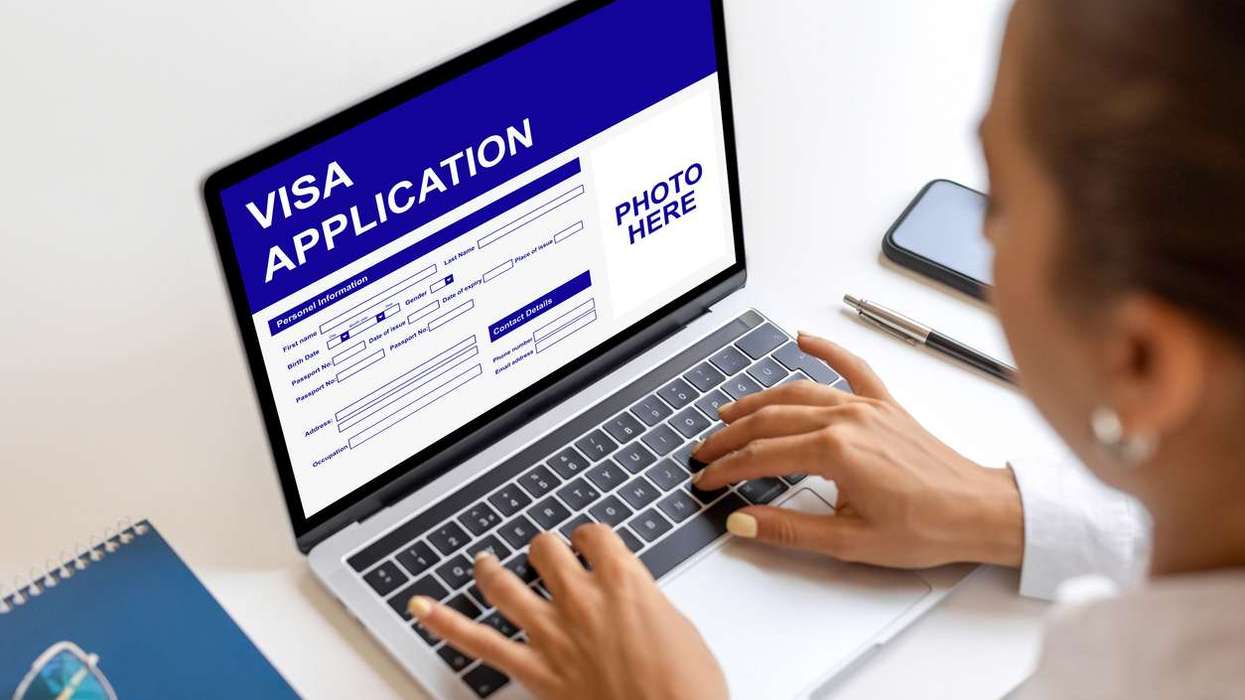
UKVI has indicated that once the shift is complete, successful applicants will receive only a digital record of their immigration status. This eVisa will be accessed through a UKVI account and used as proof of permission to enter or stay in the country.
People who already hold a valid UK visa sticker issued before January 12 may also be able to view their immigration status online. UKVI has said they can access their eVisa through an existing or linked UKVI account, allowing them to check their status digitally.
Earlier changes for some visa holders
For certain applicants, the move to eVisas is happening sooner. UKVI has said that people who applied on or after October 30, 2025, for specific work, study, family visas or indefinite leave to enter may not receive a visa sticker at all. Instead, their immigration permission will be available only online, and they will need to access it before travelling to the UK.
Some work and study visa applicants have already been affected. For main applicants who submitted applications on or after July 15, 2025, eVisas have reportedly replaced physical stickers in several categories. Applicants are expected to be told whether they will receive a sticker or only a digital visa once a decision is made, as quoted in a news report.
UKVI has also widened access to eVisas for people who were issued a Form for Affixing a Visa, or who were granted a visa extension but do not hold a valid passport or biometric residence permit. In such cases, digital records are being used to bridge documentation gaps.
To view an eVisa, users must have a UKVI account. Dependants, including partners and children, are required to hold separate individual accounts. UKVI has advised people not to create multiple accounts and to try signing in first if they are unsure whether one already exists.
Not everyone needs an eVisa. Travellers entering the UK with an Electronic Travel Authorisation, those exempt from immigration control, or people with permission limited to the Channel Islands or the Isle of Man are not required to use the system.
For those with older physical documents showing settlement with no expiry date, moving to an eVisa remains optional. UKVI has said this can be done through a ‘no time limit’ application, though the paper document remains valid.
As the UK edges closer to a fully digital border system, travellers and migrants may need to adjust to checking their immigration status on screens rather than passport pages. UKVI has reportedly said further guidance will be issued as the 2026 deadline approaches.