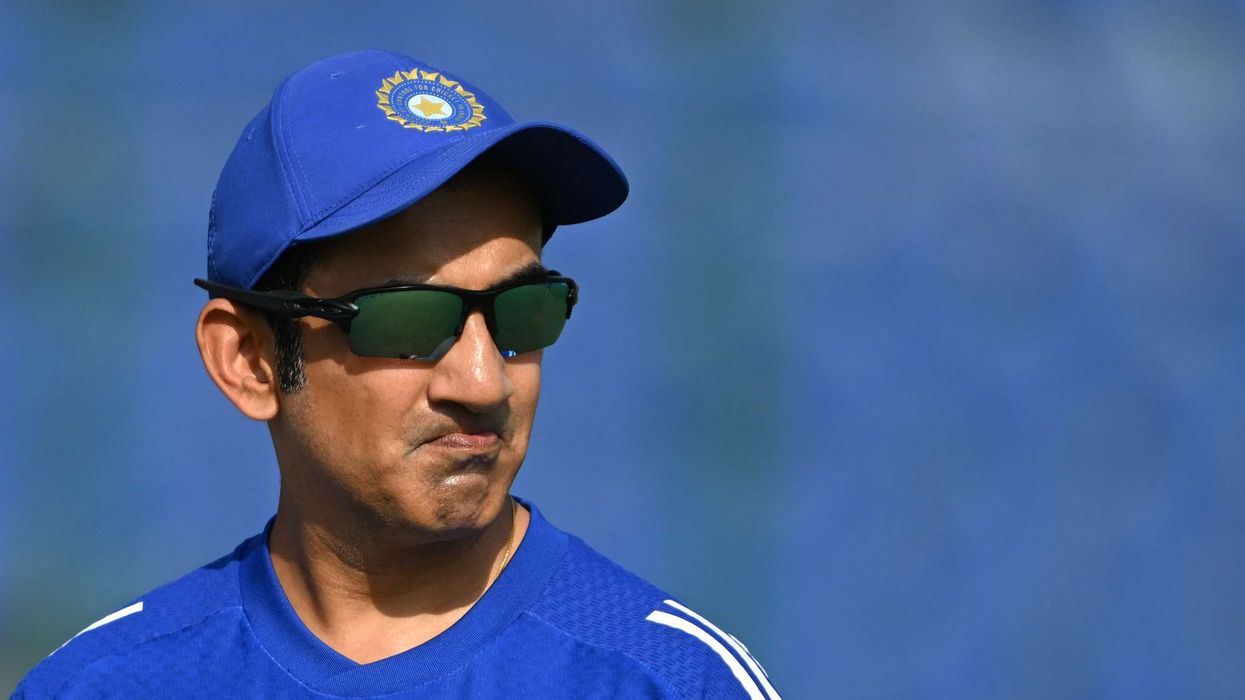
Cricket bat and pad exports from the UK to India could be in line for a big boost if a free trade agreement (FTA) between the two countries gets finalised, the UK government has said.
The Department for International Trade (DIT) issued the update on Saturday following the sixth round of FTA negotiations wrapped up in New Delhi last week.
It said the agreement seeks to cut red tape and tariffs for businesses, which could include reducing the current 20 per cent tariff on cricket bats and pads made in the UK.
“English cricket is rightly proud of its world champion players – but also of our brilliant exports like the willow that goes to make the bats hitting boundaries across the world,” said Andrew Bowie, UK Minister for Exports.
“We look forward to concluding a modern ambitious trade deal with India that helps UK exporters of all types hit their sales targets and builds on the increasing amount of British goods and services sold to India, worth £12 billion pounds in the 12 months to the end of June,” he said.
The DIT said any reduction could benefit iconic British brands like Gunn & Moore, whose bats are used by England captain Ben Stokes and have been trading with India for more than a century.
The Nottingham-based firm, which uses English willow in its bats and exports both wooden bat “clefts” and fully made bats to India, welcomed the negotiations, saying cuts to tariffs would help its business.
“Gunn & Moore Cricket are fully supportive of a UK-India trade deal and look forward to that having a very positive outcome for both countries,” said Richard Lowy, Gunn & Moore Sales Director.
According to DIT, an FTA could see taxes cut or even removed entirely, along with a range of duties on other exports that would help UK firms expand into an economy due to become the world’s third largest by 2050.
It pointed out that the latest round of negotiations completed a week ahead of Friday’s Indian Premier League (IPL) auction, which saw its teams bid for players like Stokes and some of his England ICC T20 Men’s World Cup-winning team-mates to represent them in the season ahead.
“England and India have long shared a passion for cricket that extends beyond the boundaries of play. We are fortunate to have a game that can not only inspire millions of people across both countries but which creates opportunities to compete and learn from one another in major tournaments such as the IPL and bring us all closer together,” said Clare Connor, England and Wales Cricket Board Interim CEO.
Board of Control for Cricket in India (BCCI) Honorary Secretary Jay Shah added: “Since 1932, when India played its first-ever Test against England at Lord’s, India-UK cricketing bonds have only grown stronger with each passing year.
“While India enjoys tremendous support in England, the English players have been the crowd favourites in India and are certainly on the must-buy lists of IPL franchises.” The latest DIT statistics peg the India-UK trading relationship as worth more than £29 billion, with two-way investments supporting nearly half a million jobs across both countries.
(PTI)


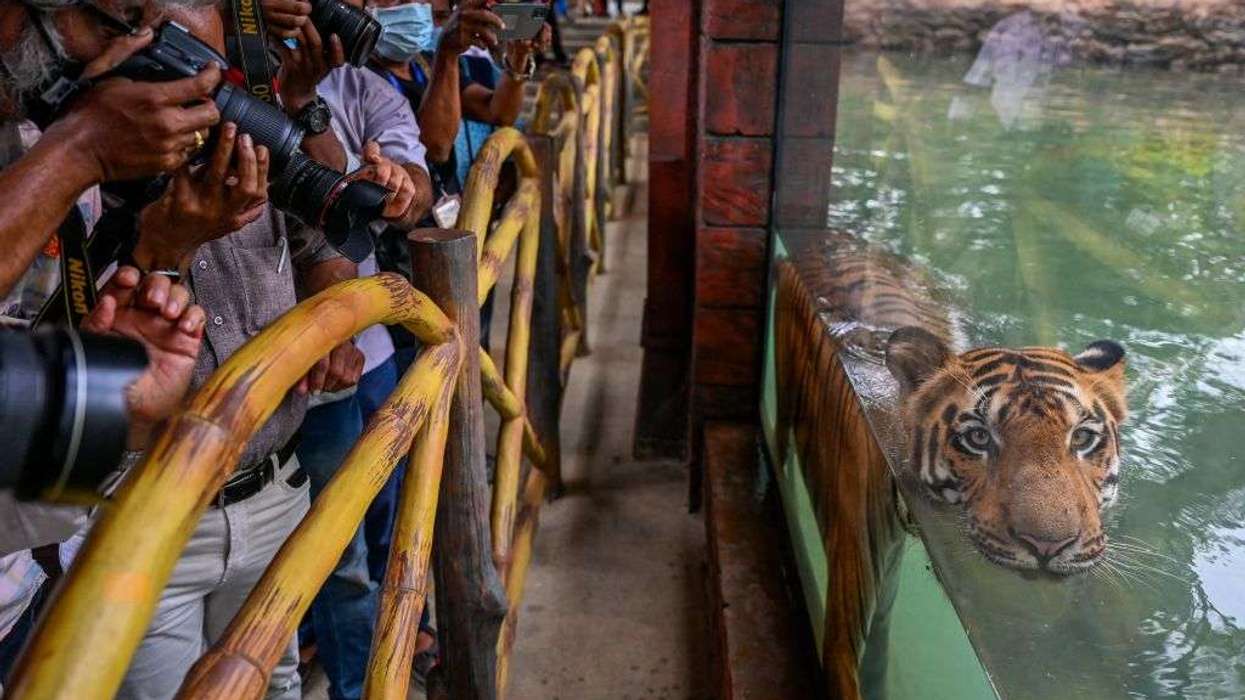
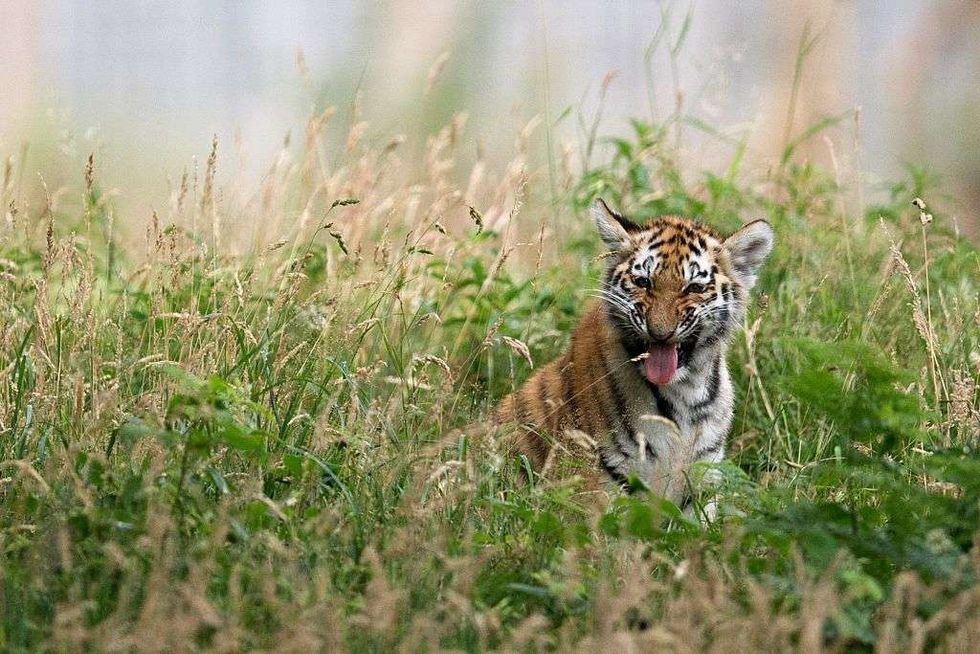 A rare Amur Tiger cub, aged four months, experiences its reserve for the first time at the Yorkshire Wildlife Park near Doncaster, northern England on July 29, 2015. Only around 450 Amur Tigers survive in the wild in their native Russia and Yorkshire Wildlife Park's release of three cubs, named Hector, Harley and Hope, into their reserve coincides with International Tiger Day. Getty Images
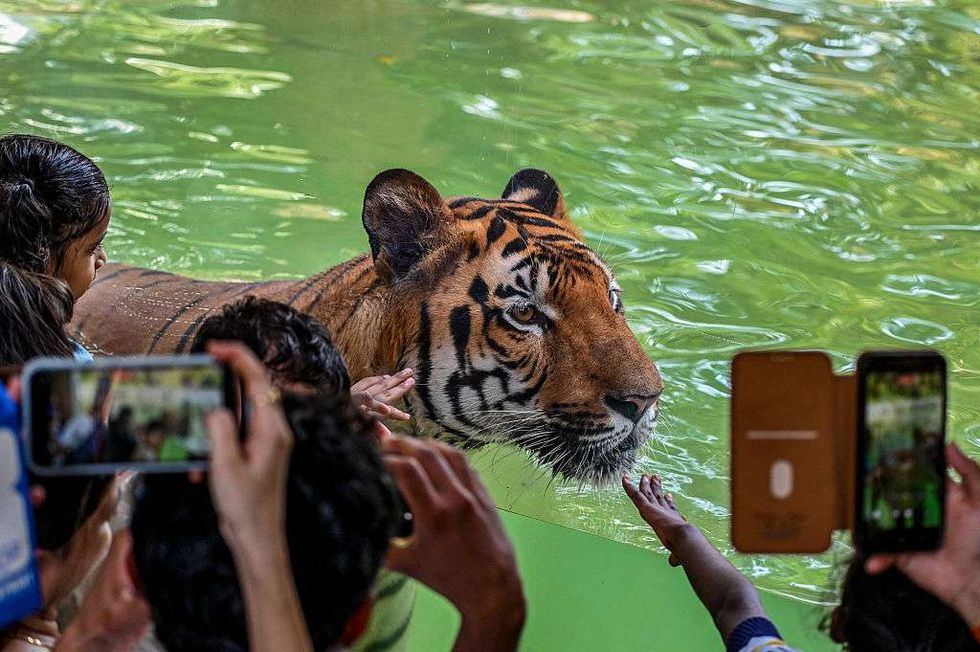 Visitors watch Jai, a Bengal tiger enjoying in a pool on a hot afternoon at the Veermata Jijabai Bhosale Udyan and Zoo in Mumbai on May 10, 2026. Getty Images
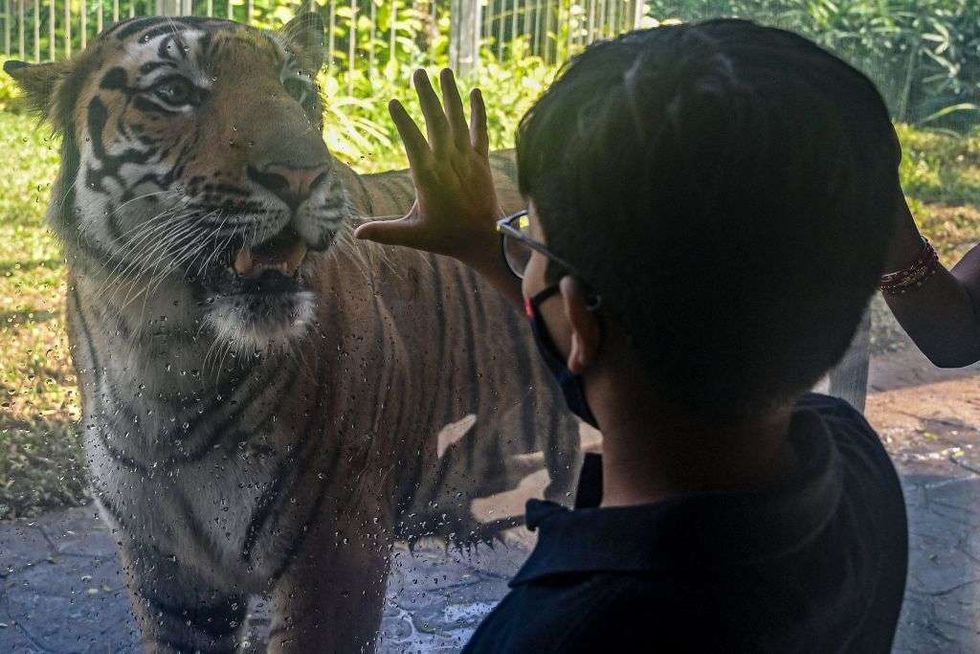 A boy looks at Shakti, a Bengal Tiger strolling inside its enclosure at Veermata Jijabai Bhosale Udyan and Zoo after the facility was reopened for visitors as part of easing of restrictions imposed earlier to curb the Covid-19 coronavirus pandemic in Mumbai on February 10, 2022. Getty Images