SIR KEIR STARMER did not want to stick around in the Commons after being removed from Downing Street. It was the shared achievement of his national and local successors that Labour did not slip up in the Holborn and St Pancras byelection to replace him.
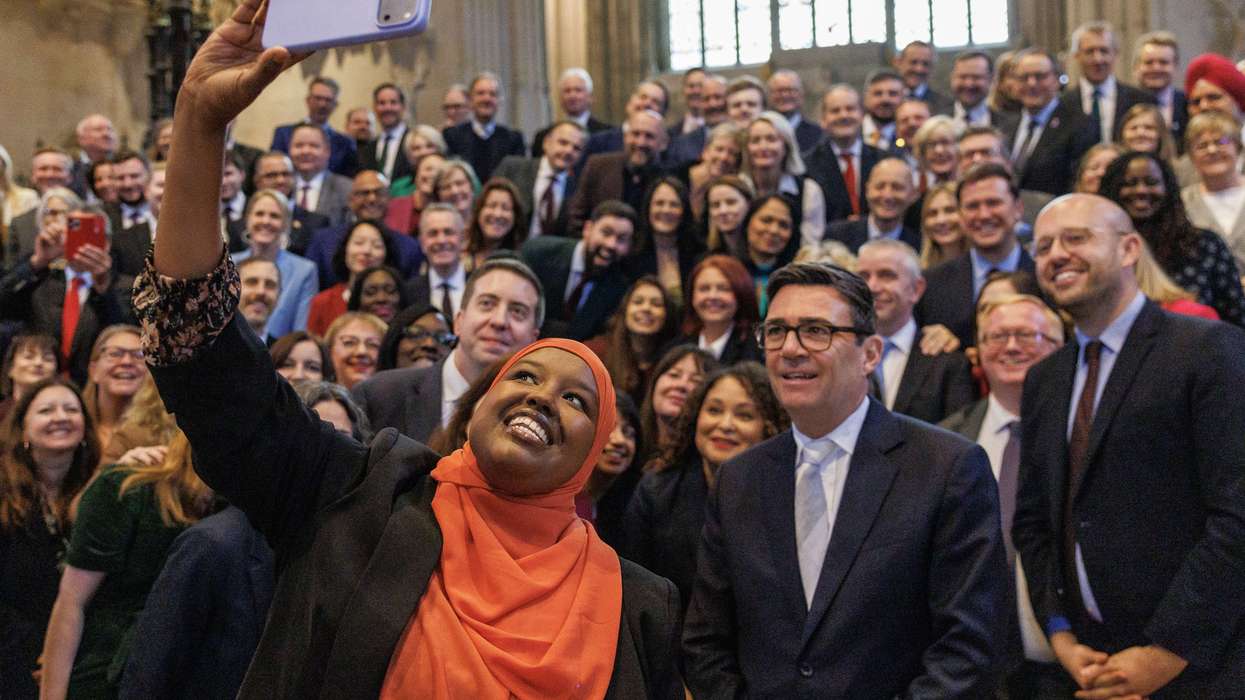
Andy Burnham’s confident start as prime minister put voters in a mood to give his government a chance, not a warning shot. Labour candidate Sagal Abdi-Wali localised the hopeful message, having risen to council leader in three decades, after arriving as a young child refugee born 4,000 miles from St Pancras.
“The frontrunner being foisted on the people of Holborn by Labour to replace Keir Starmer was born in Somalia. Do you understand what’s happening?” Reform’s Zia Yusuf tweeted.
The party’s home affairs spokesman struggled to explain why attacking a candidate’s birthplace was politics, not prejudice. His ugly attack did not hinder Labour electorally, but motivated members to campaign on how to send Reform a message in a by-election race mainly against the Greens.
Party leader Zack Polanski stood, reflecting early Green optimism about a famous upset. The post-election aftershocks were less about being runner-up than the deep rift between Green MPs and activists after a split party conference narrowly passed a motion declaring “Zionism is racism”, while the party leader skipped that debate to campaign in London.
“This is Camden and this is London,” Abdi-Wali declared in her warm acceptance speech. Constituency polling by Persuasion UK suggested she was as much of a campaign asset as the prime minister.
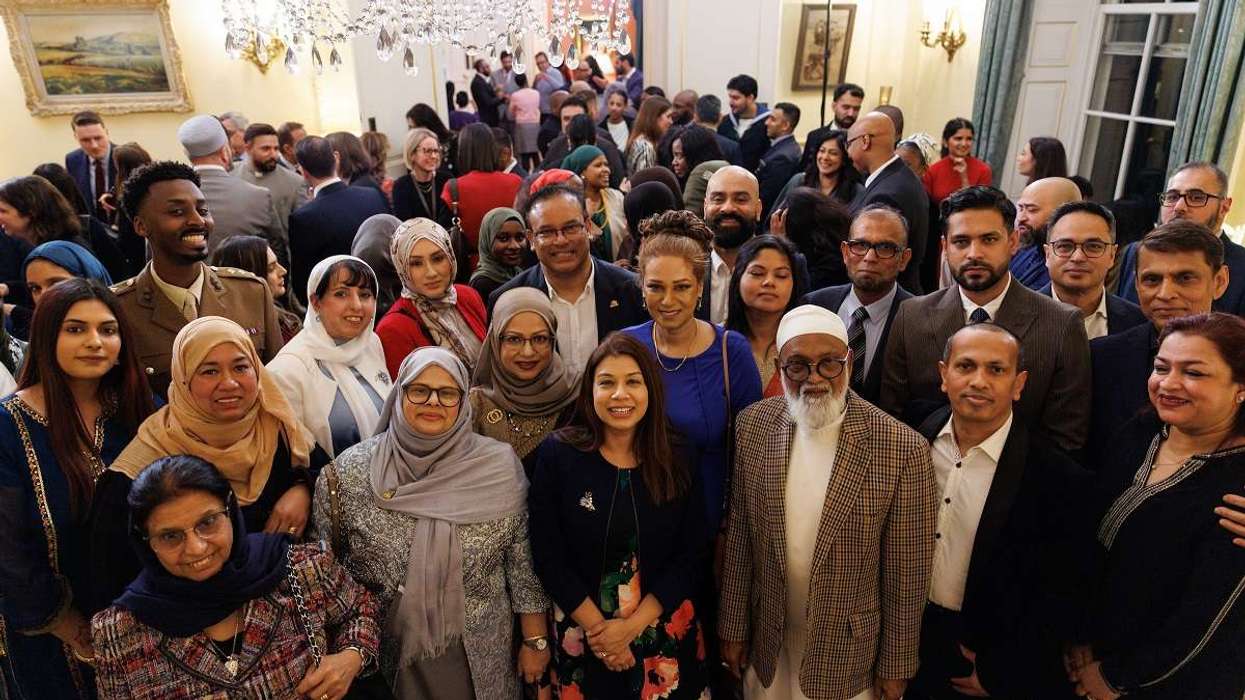
Was her victory just a snapshot of north London’s liberalism in polarised times? Abdi-Wale is the first British MP of Somali origin. But she is also the 91st ethnic minority MP in this parliament, there were just four when she first came to London, and joins 25 colleagues of Muslim faith in the Commons.
Kemi Badenoch’s defeat of Robert Jenrick in the 2024 Conservative Party leadership contest did most to prove how the new norm of ethnic diversity in public life stretches across the party spectrum.
Yet, two years on, Badenoch’s conference speech pushed back punchily against ethnonationalist identity politics on the right. She challenged those who see British or English identity as racially exclusive.
Badenoch identifies as British, not English, herself, but was rejecting Suella Braverman’s insistence that nobody, neither herself nor Rishi Sunak, should ever call themselves English without multiple generations of ancestry.
Badenoch’s emphatic statement that “we are not uniting with that” angered Reform. They think this may rebound badly, like Hillary Clinton’s speech about US president Donald Trump’s “deplorable” voters.
But early research found this challenge did resonate strongly with public audiences, reflecting broad concern at a resurgence of racism.
Badenoch’s attack may even have been a little unfair on Reform leader Nigel Farage. He does not support Braverman’s rules that exclude almost all ethnic minorities from English identity.
Farage realises it is politically bonkers to be questioning if England’s black footballers really count. Nor would he doubt that Badenoch is British, though the young ethnonationalist staff for Rupert Lowe’s Restore Britain do.
Campaign director Charlie Downes mocks both Badenoch and Farage as deluded for believing that ethnic and faith minorities can ever be equally British.
Yet Badenoch gave Lowe a Tory spot on a key Commons committee: a tactical alliance to amplify his spoiler impact on Reform.
Restore refuses to set any boundaries at all for overt racists. Active Restore members could even share Britain First’s online petition to deport Badenoch over her speech, confident their party will take no action.
For two decades, Farage has projected his Asian and black colleagues to show how he is different from the BNP. I have always found complaints about some British Asians being right-wing a bit patronising: there are bound to be people with left-wing, centrist and right-wing views.
What crosses the line is when minority politicians use their own characteristics to make racially exclusionary arguments that white British colleagues would avoid as prejudiced.
That seems to be becoming a Reform pattern. I doubt Richard Tice MP would make Yusuf’s attack on Abdi-Wali's heritage, nor Braverman’s rejection of Sunak’s English identity.
Now Raheem Kassam, a close associate of Farage for years, promotes online attacks on Badenoch as a “Nigerian scammer”, declaring that a “woke anchor baby” can never be prime minister.
Kassam has no official party role, but Reform’s London mayoral candidate, Laila Cunningham, used his content to accuse Badenoch of being in politics to promote Nigeria’s interests, not Britain’s.
Reform is moving further right at pace. Farage began this week pledging to abolish asylum entirely. Lowe bid higher, arguing the priority must be to deport millions of legal migrants too.
Reform’s Jenrick proposed the Royal Marines use “lethal force” to stop Channel boats.
Badenoch’s challenge to Reform primarily reflected Restore’s hardcore ethnonationalism, but it may become ever harder to spot the difference.



 Rishi SunakLeon Neal/Getty Images