BRITAIN on Tuesday(20) said it would back 'human challenge' trials, where young and healthy volunteers are deliberately infected with Covid-19, to accelerate the development of vaccines for the disease.
The government said it would invest £33.6 million ($43.5m) in the studies in partnership with Imperial College London, laboratory and trial services company hVIVO and the Royal Free London NHS Foundation Trust.
If approved by regulators and an ethics committee, the studies would start in January with results expected by May 2021, the government said.
Britain's hVIVO, a unit of pharmaceutical services company Open Orphan, said on Friday(16) it was carrying out preliminary work for the trials.
Using controlled doses of virus, the aim of the research team will initially be to discover the smallest amount of virus it takes to cause Covid-19 infection in small groups of healthy young people, aged between 18 and 30, who are at the lowest risk of harm, the government said.
Up to 90 volunteers could be involved at the early stage, it said.
Imperial College's Chris Chiu, lead researcher on the human challenge study, said the trials could increase understanding of Covid-19 in unique ways and accelerate development of the many potential new treatments and vaccines.
"Our number one priority is the safety of the volunteers," he said. "My team has been safely running human challenge studies with other respiratory viruses for over 10 years. No study is completely risk free, but the 'human challenge' programme partners will be working hard to ensure we make the risks as low as we possibly can."



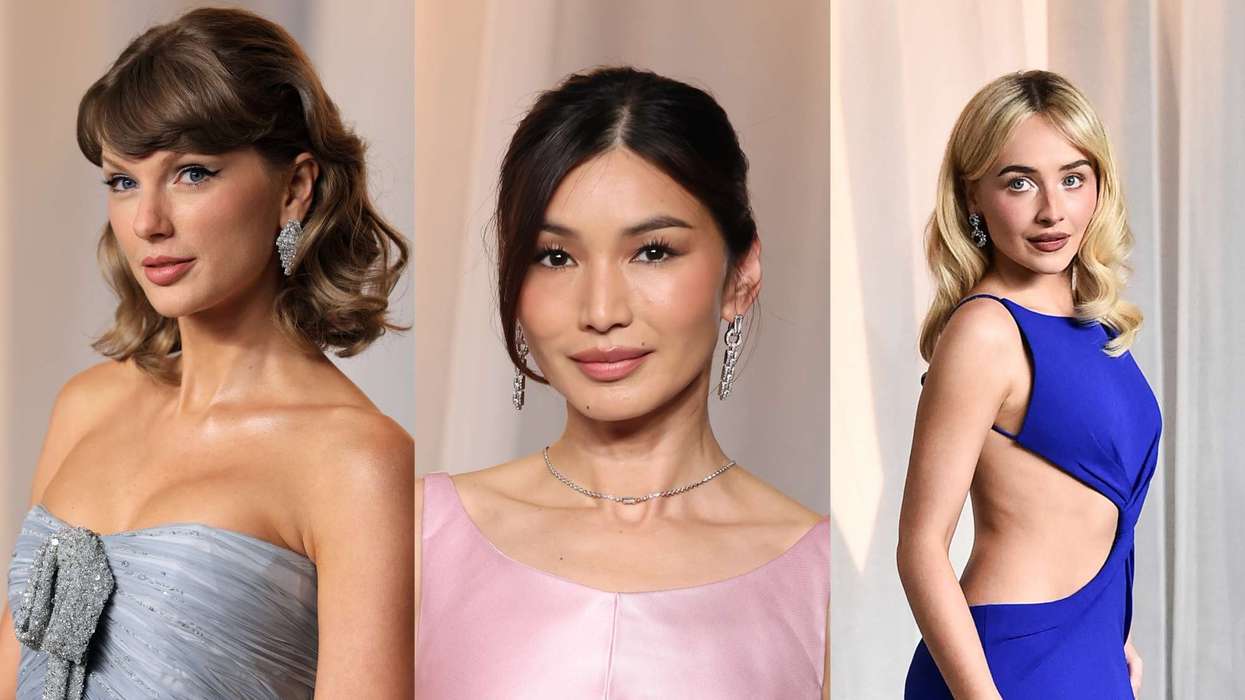
 Taylor Swift opted for a strapless Dior gownGetty Images
 Naomi Ackie stood out in a custom aubergine Balenciaga gown Getty Images
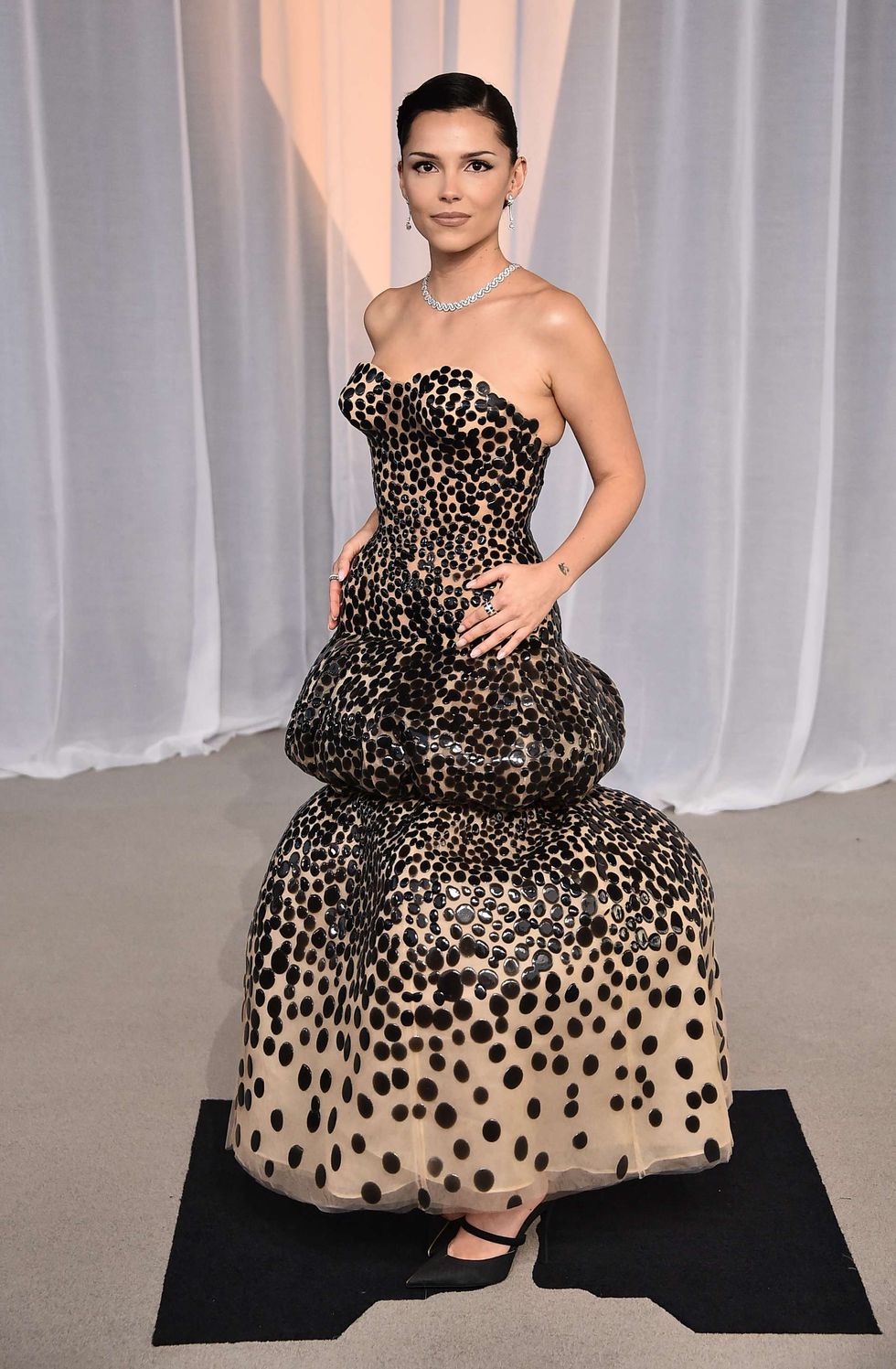 Inde NavarretteGetty Images
 Sabrina CarpenterGetty Images
 Cailee SpaenyGetty Images
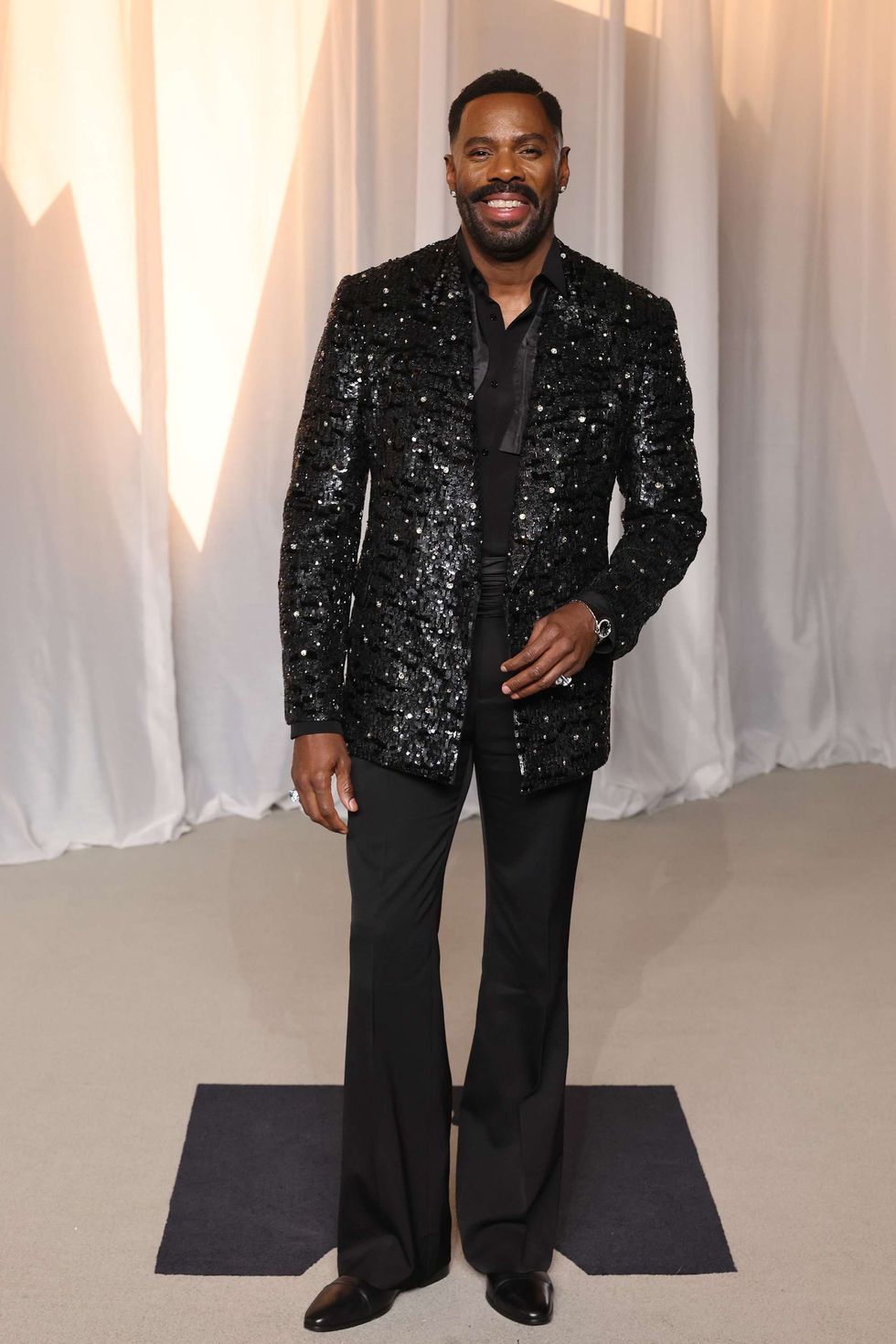 Colman DomingoGetty Images
 Gemma Chan took a more understated approach in a pink silk gabardine dress by PradaGetty Images
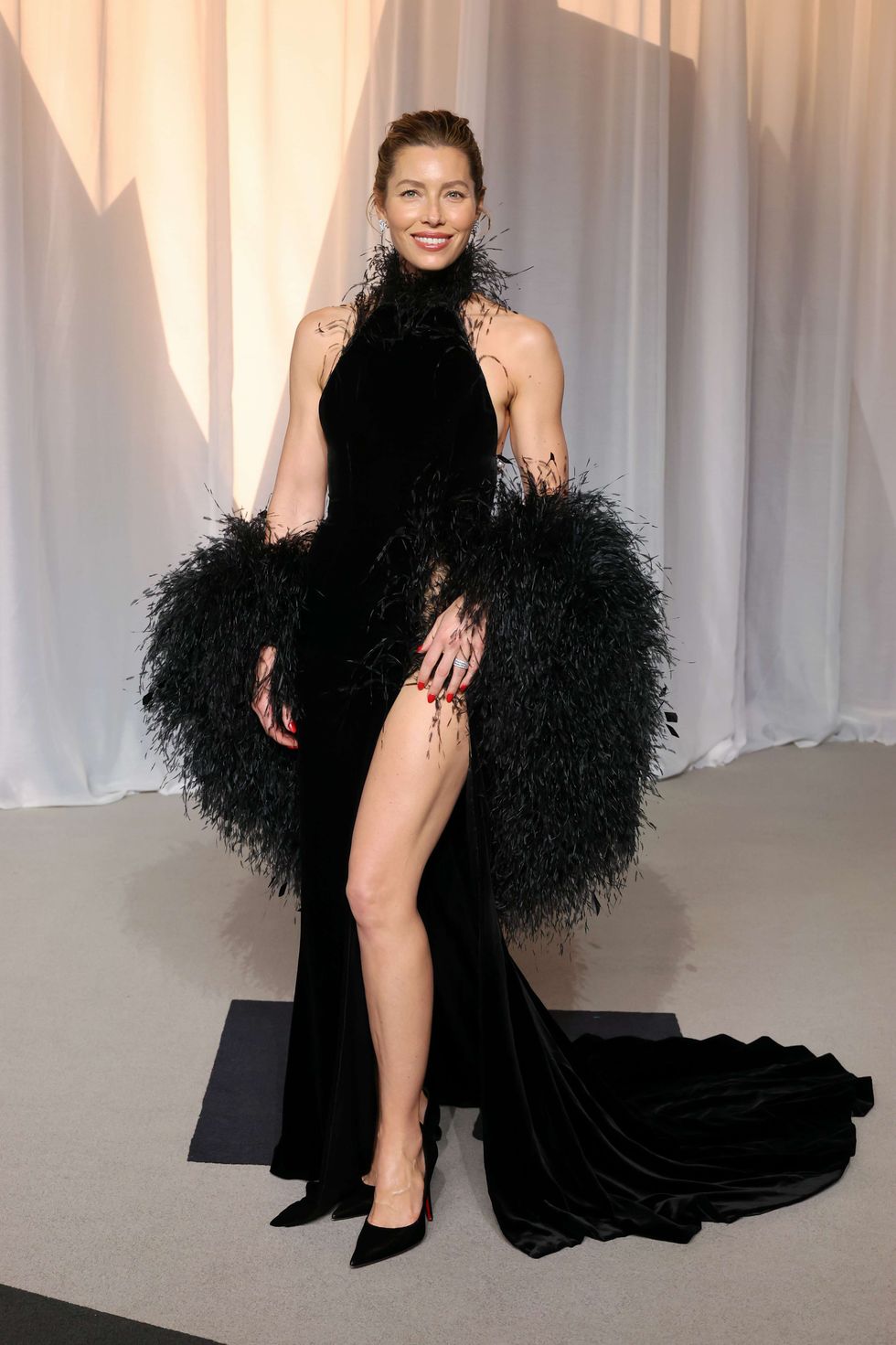 Jessica BielGetty Images
 Kate HudsonGetty Images
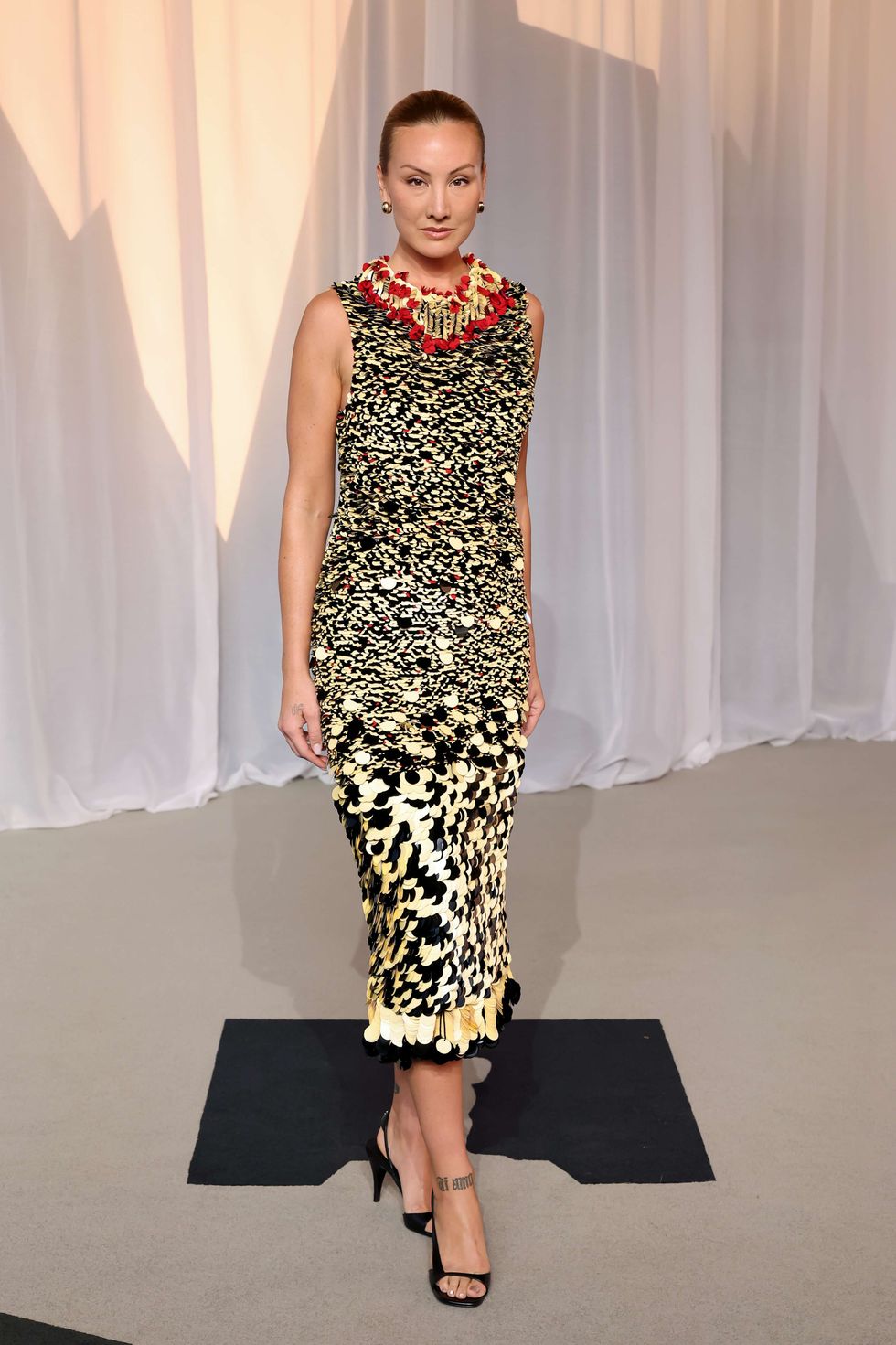 Miyako BellizziGetty Images