By Amit Roy
MANY years from now when Donald and Melania Trump have long departed the political scene, the one image that will endure from their Indian trip is of the couple in front of the Taj Mahal, Shah Jahan’s monument of love to his wife, Mumtaz – “a teardrop on the face of eternity”.
For me, it brought back memories to hear Indian media refer to the seat in the foreground of the Taj, where Donald and Melania Trump posed for pictures – like countless couples over the ages – as “Diana’s bench”.
This is where Diana, Princess of Wales, had cut a forlorn figure sitting alone on February 11, 1992, while her husband was addressing a business meeting in Delhi. Having been consulted by Prince Charles’s secretary ahead of the trip, I had strongly advised against Diana undertaking a solo visit to the Taj when I was shown the proposed programme. His was a “working” trip, I was told in no uncertain terms.
When Diana sat down on the bench after being given a guided tour of the stunning marble wonder, she was asked by a reporter what she made of the monument. Did she say it had been a “healing” experience or a “feeling” experience, I asked.
“You heard,” she told me.
Now, we know it was the former for 10 months later, the then prime minister John Major announced in the Commons that the Prince and Princess of Wales had decided to separate.
I got the Taj story completely wrong and failed to report that Diana’s solo trip indicated the marriage was in trouble.
Diana wore the right colours, though – deep pink and magenta – to contrast with the white marble. On April 16, 2016, Catherine, Duchess of Cambridge, wore a patterned dress when she and Prince William sat down on “Diana’s bench” in order to “create new memories”.
Whoever advises the US First Lady failed to warn Melania she should have avoided white. It is interesting she and the President did not sit down on the bench, but stood for the pictures – as did Trump’s daughter, Ivanka, with husband Jared Kushner.

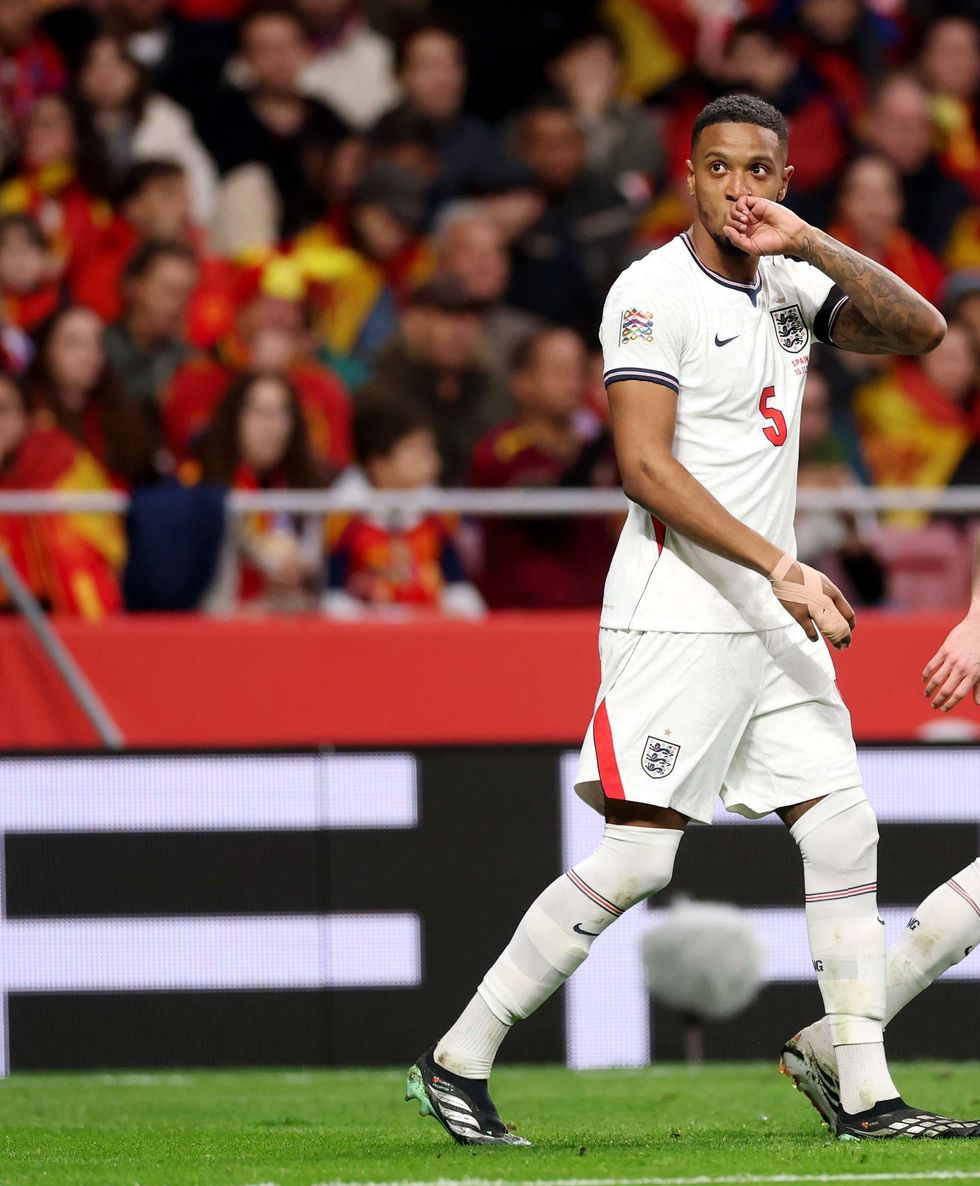 MADRID, SPAIN - NOVEMBER 15: Ezri Konsa of England celebrates scoring his team’s second goal during the UEFA Nations League 2026/27 group phase match between Spain and England at Riyadh Air Metropolitano on November 15, 2026 in Madrid, Spain. (Photo by Carl Recine/Getty Images)