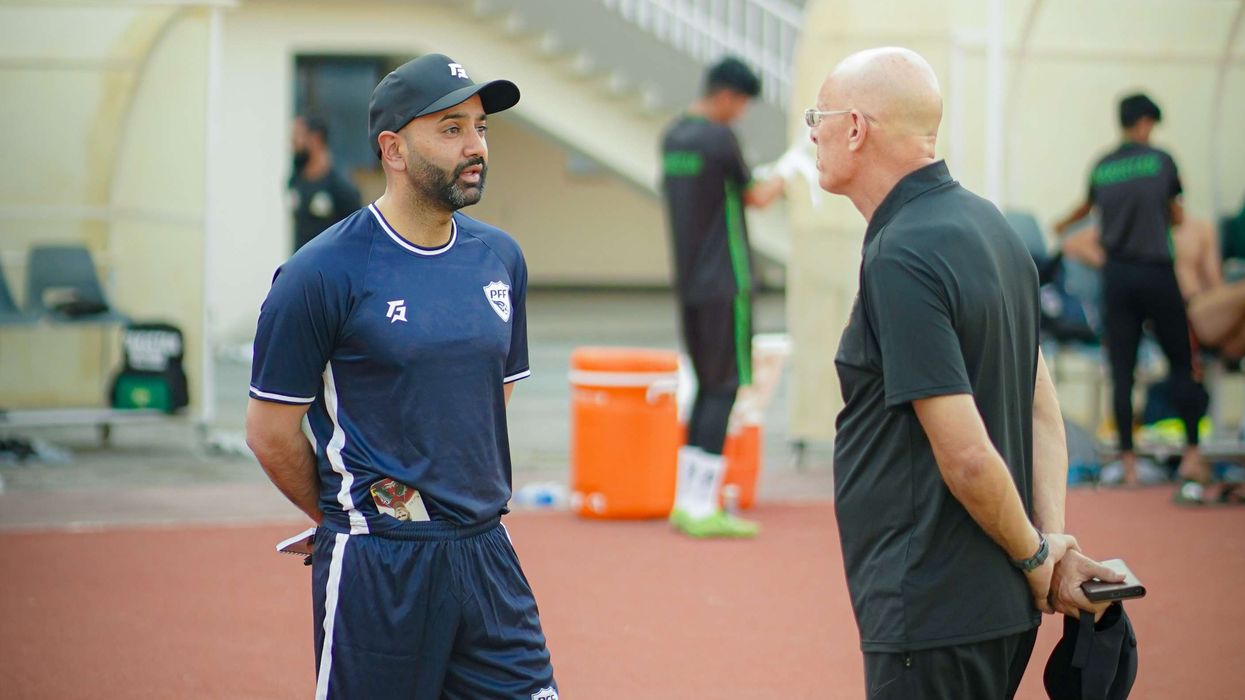

TRISHAN PATEL is a Luton-born British Indian football coach who has worked across grassroots, academy and professional football, while also developing mentoring programmes in schools and providing performance analysis support to players at different levels of the game.
Alongside his coaching work in England, he has also gained international experience, including time working within the Pakistan football setup.
Over nearly two decades in football, Patel has combined coaching with mentoring and education-focused work, using the game to support young people with behaviour, confidence and leadership.
“I think the journey has been full of ups and downs, to be honest,” he told Eastern Eye in an interview.
Patel says there were moments when he considered walking away. “There have been times when I felt like giving up, but I also understand the bigger picture. Those who have gone before me paved the way for me to be here in the first place. I felt it was my responsibility to help others as well.”
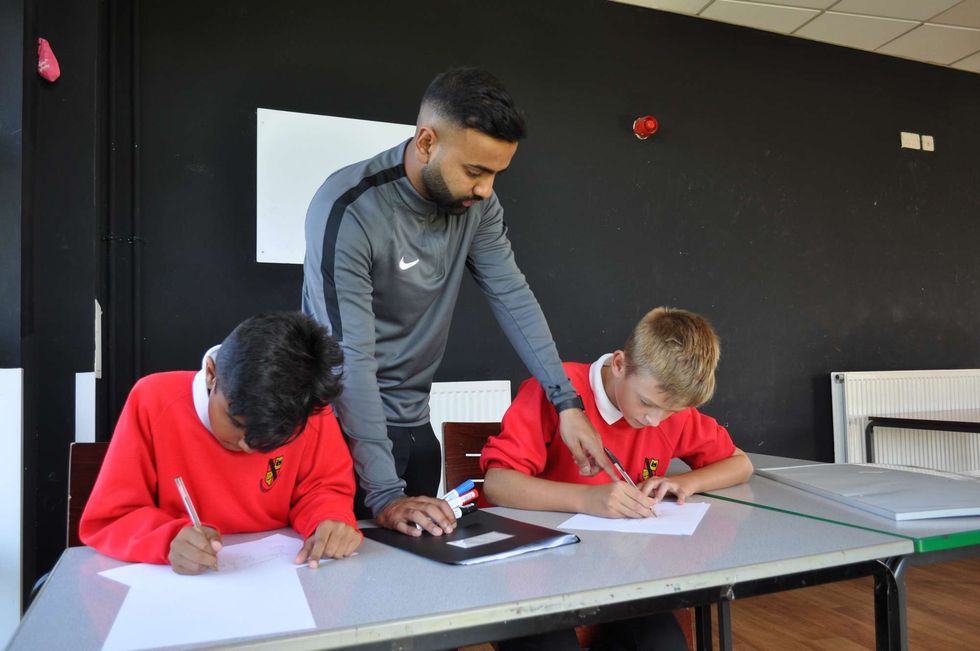 Patel has combined coaching with mentoring and education-focused work, using the game to support young people with behaviour, confidence and leadership.
That sense of responsibility, he says, is closely linked to representation. “I’ve always had it at the forefront of my mind — how can I make the space I’m in more warm and inviting for people who look like me, because it hasn’t been easy.”
As a British Indian coach, Patel says he has encountered barriers along the way. “One thing I’ve found is a lack of trust and a lack of opportunity,” he says. “I’m not saying that was solely down to my background or how I look, but there are genuine misconceptions around South Asians in sport.”
Rather than dwell on that, Patel focused on preparation. “I always wanted to leave no stone unturned in terms of my qualifications, my experience, and ultimately making sure I’m one of the best at my craft, so there are no excuses not to employ me.”
Working across different levels of football has shaped how he communicates. “The biggest thing it’s taught me is communication,” Patel says. “I’ve worked with players who are just starting out, those aspiring to get into academies, and professional players.”
Regardless of level, he says the basics remain the same. “Ultimately, they all want the same thing — to be respected and spoken to in a way they understand.”
One of the most significant chapters of Patel’s career came through his work with the Pakistan national team, an opportunity that arose through his long-standing professional relationship with Stephen Constantine. “He always said that if he got another job, he’d want to take me with him,” Patel says.
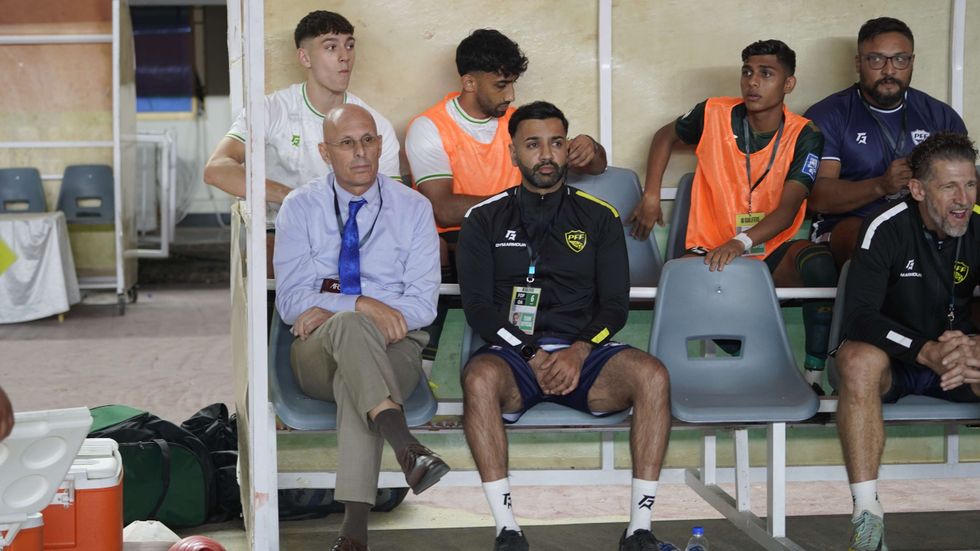
When that role turned out to be with Pakistan, Patel admits he had doubts. “I didn’t think it would be possible because of relations between the two countries and my background,” he says. “But my experience with the Pakistan national team was amazing.”
Patel’s background spans several countries. “My grandparents were born in India. My parents were born in Kenya, and I was born in Luton,” he says. “I’m very proud of my background and want to honour my grandparents in everything I do.”
Alongside coaching, Patel runs mentoring programmes in schools, using football as a framework for life skills. “Looking back at my life, I’ve realised I had mentors throughout my journey, even if they weren’t labelled as mentors,” he says.
Football, he says, provided structure. “Football taught me how to set goals, and I think it’s important for young people to have aspirations, especially when they may not have that support at home.”
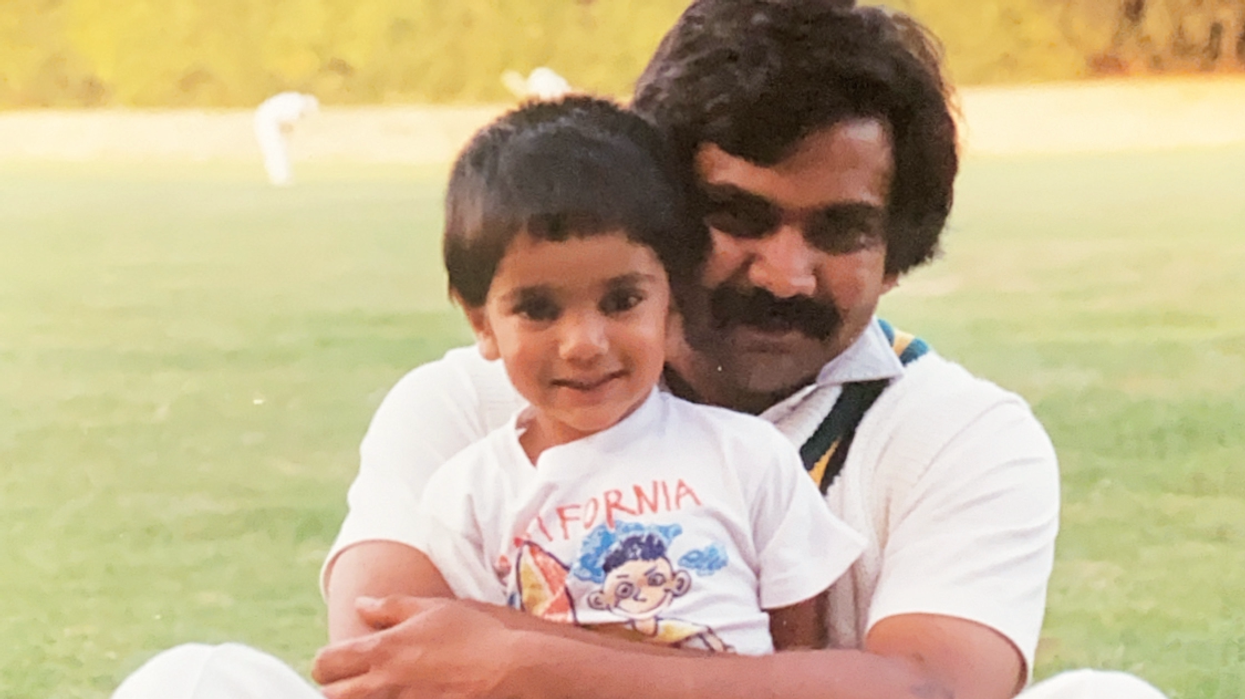
Supporting others is central to his outlook. “Losing my father changed my outlook on life,” Patel says. “Everything I do now is about service through football. It comes from the heart and from wanting to help people.”
For those considering coaching, Patel is realistic. “It’s not easy,” he says. “It’s a saturated space, the money isn’t great at the start, and often you begin as a volunteer.”
On Indian football, Patel points to both progress and challenges. “The league was trending in a good way, but sustainability is a challenge now,” he says of the ISL. “Investment helped, but it needs to be long-term.”
Looking ahead to the 2026 FIFA World Cup, Patel is optimistic. “I’m really looking forward to it,” he says. “The last World Cup was incredible.”
Asked about influences, Patel names Jürgen Klopp. “Not just because of success, but because of the person,” he says. “He cares, he’s passionate, and he connects with people.”
He also acknowledges Pep Guardiola. “I admire Pep Guardiola too,” Patel says. “But Klopp is my number one.”
Looking ahead, Patel keeps expectations grounded. “I just hope to be happy, healthy and alive,” he says. “Ideally, I want to keep helping people through football, continue learning, and pass on knowledge.”