
by Amit Roy
FORMER MINISTER’S LEGACY GIVES HOPE TO OTHERS WITH CANCER
POLITICIANS have paid tribute to Dame Tessa Jowell, their friend and colleague who died last Saturday (12) aged 70, but I happen to know through personal sources that she was a genuinely nice person.
We are often critical of aspects of life in this country, but it is people like Tessa who make Britain the kind of special country that it is.
From diagnosis to death, her descent was swift, yet she made a memorable final appearance in the Lords on January 25 this year when she expressed concern for others.
“Seamus Heaney’s last words were, ‘do not be afraid,’” she said. “I am not afraid, but I am fearful that this new and important approach [to ‘adaptive’ trials] may be put into the ‘too difficult’ box.”
“All we now ask is that doctors and health systems learn to do the same,” she added. “Learn from each other. In the end, what gives a life meaning is not only how it is lived, but how it draws to a close.
“I hope this debate will give hope to other cancer patients like me, so that we can live well with cancer, not just be dying of it.”
She revealed that she was suddenly unable to speak while getting into a taxi on her way to an event on May 24 last year. “Two days later, I was told that I had a brain tumour, glioblastoma multiforme, or GBM,” she said.
Alas, in her case, although the tumour was removed, the disease was too far gone. But her legacy lives on. As a result of a meeting she had at 10 Downing Street with the prime minister, Theresa May, more money is to be spent on research and treatment of brain cancer.
Every year around 11,400 people in the UK are diagnosed with a brain tumour. Only 14 per cent survive their disease, about which much more needs to be known, for 10 or more years.
The UK will also host an annual Tessa Jowell global symposium aimed at bringing together the best clinical, scientific and academic minds on brain cancer.
Cutting across party lines, May summed up: “Baroness Tessa Jowell faced her illness with dignity and courage – and it was a privilege to host her in Downing Street recently to discuss what more we can do to tackle brain cancer… I hope the actions we are taking now and in the future to improve care and research for those confronting a terrible disease will form part of the lasting legacy of an inspirational woman.”



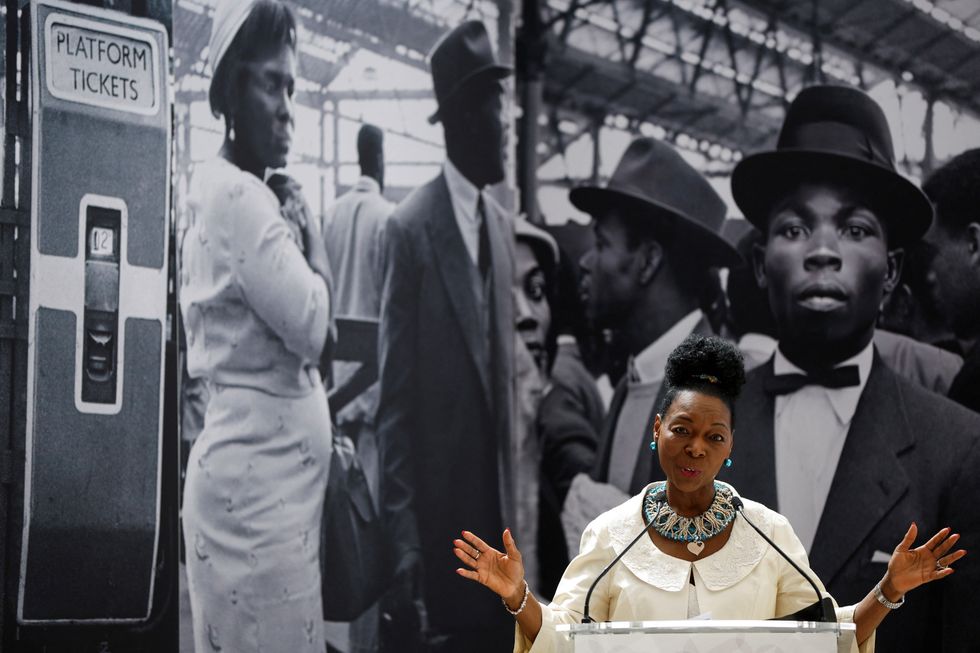 LONDON, ENGLAND - JUNE 22: Baroness Floella Benjamin speaks during the unveiling of the National Windrush Monument at Waterloo Station on June 22, 2022 in London, England. The photograph in the background is by Howard Grey. (Photo by John Sibley - WPA Pool/Getty Images)




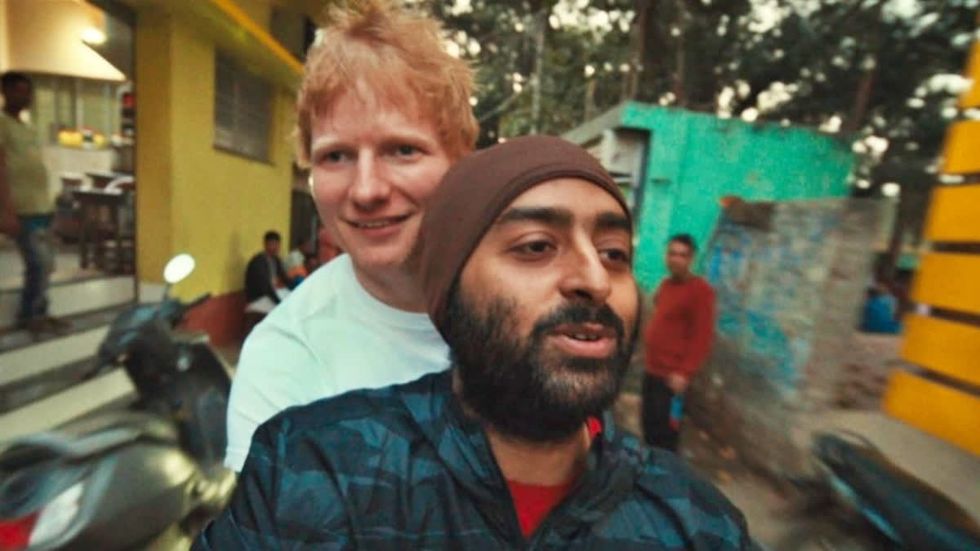 Ed Sheeran and Arijit Singh
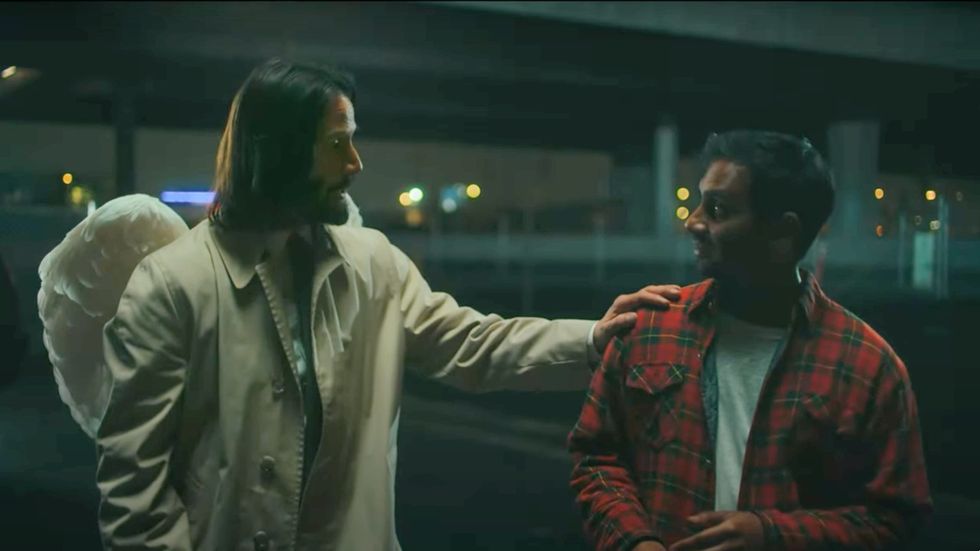 Aziz Ansari’s Hollywood comedy ‘Good Fortune’
 Punjabi cinema’s power-packed star cast returns in ‘Sarbala Ji’
 Mahira Khan
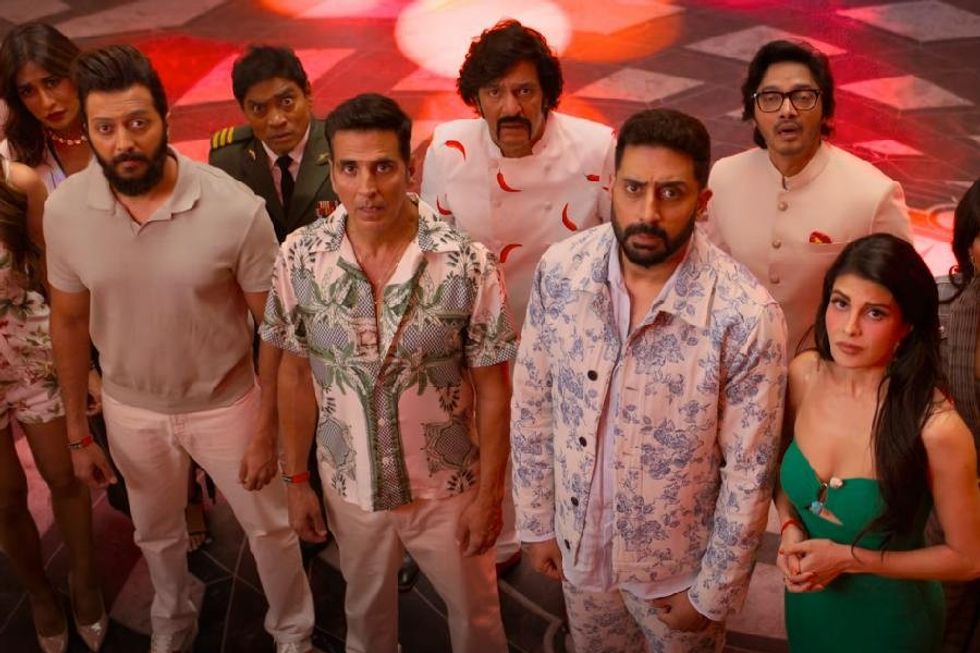 ‘Housefull 5’ proves Bollywood is trolling its own audience
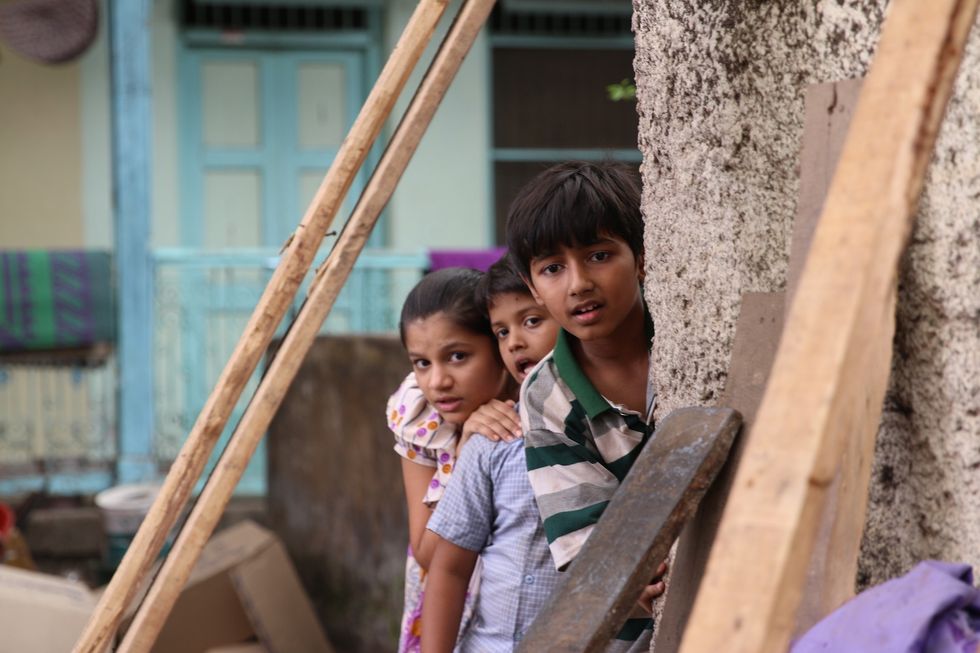 Brilliant indie film ‘Chidiya’
 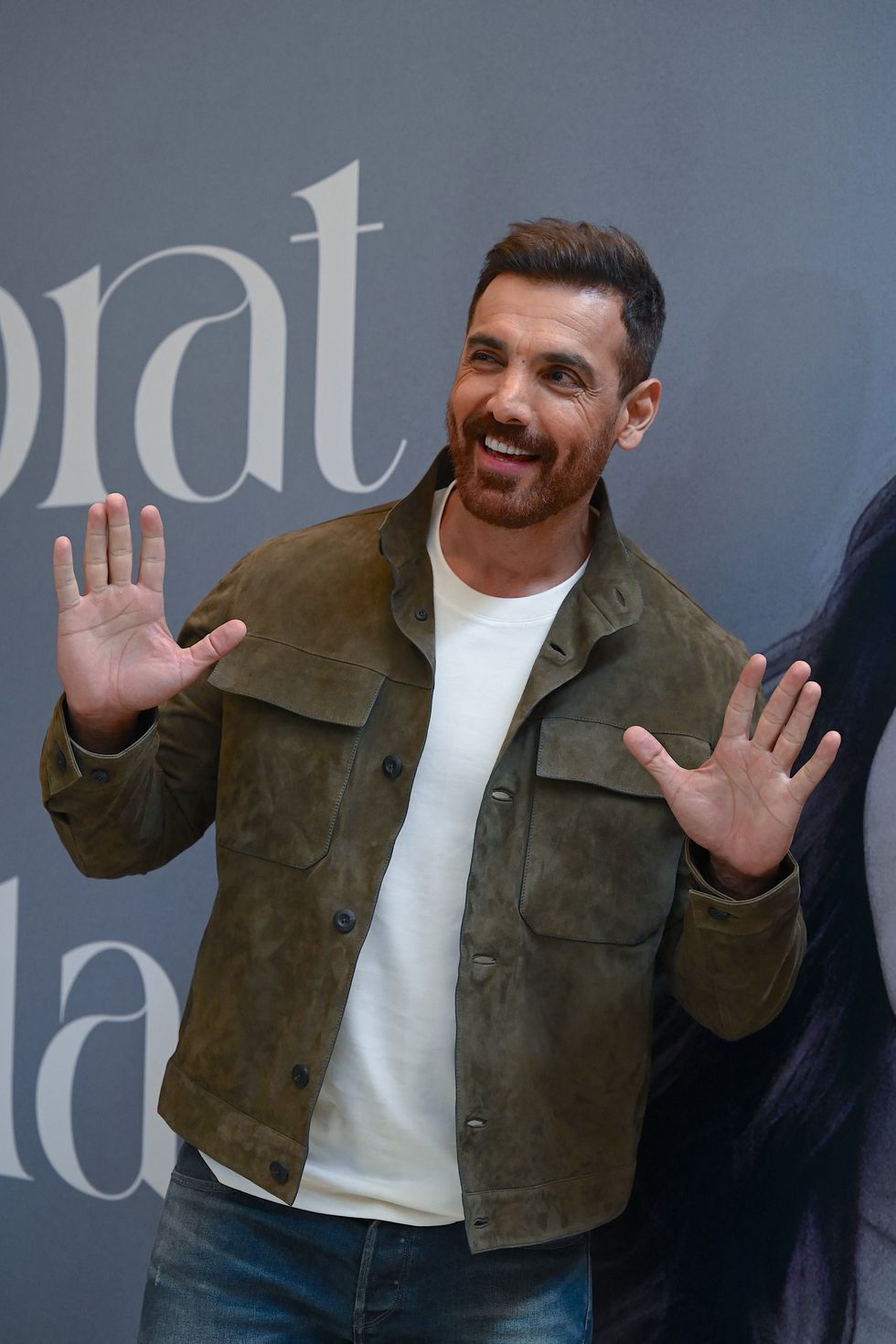 John Abraham
 Hina Khan and her long-term partner Rocky Jaiswal
  Shanaya Kapoor's troubled debut
 Sana Yousuf


 Shraddha Jain
 Arundhati Roy
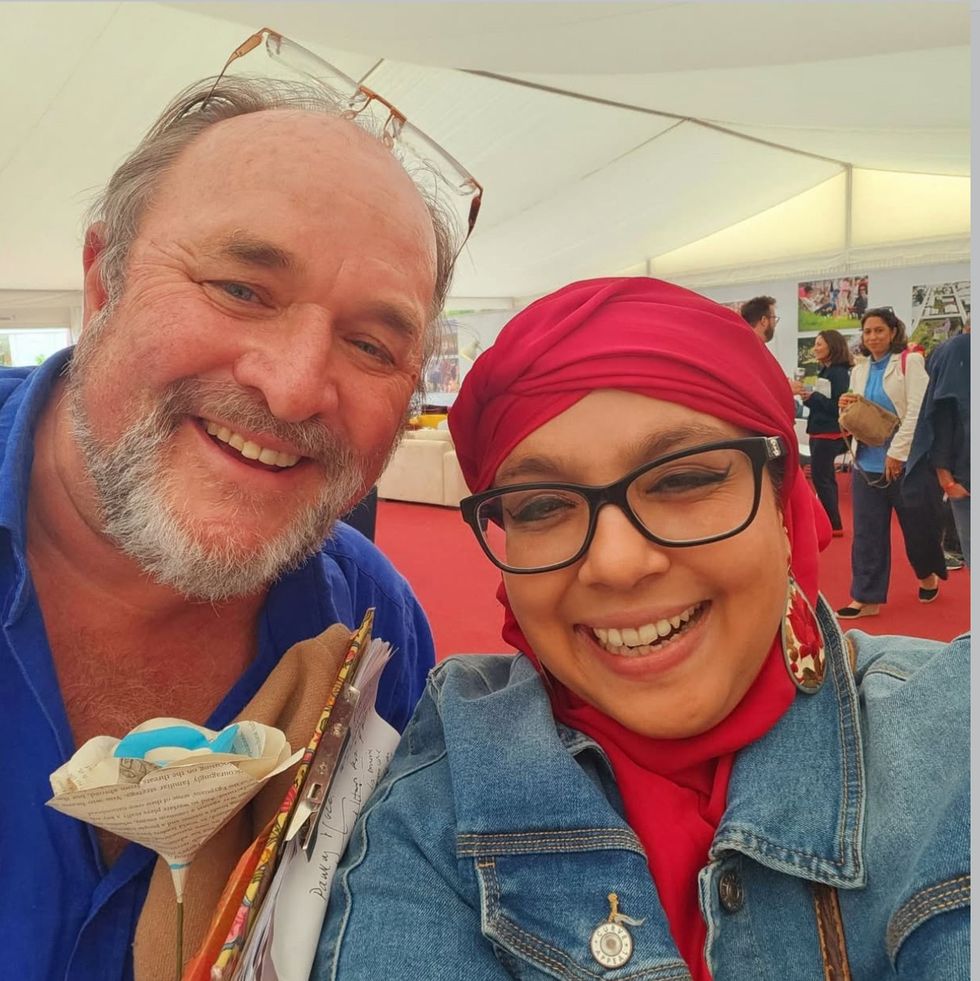 William Dalrymple and Onjali Q Rauf
 Ravie Dubey and Sargun Mehta
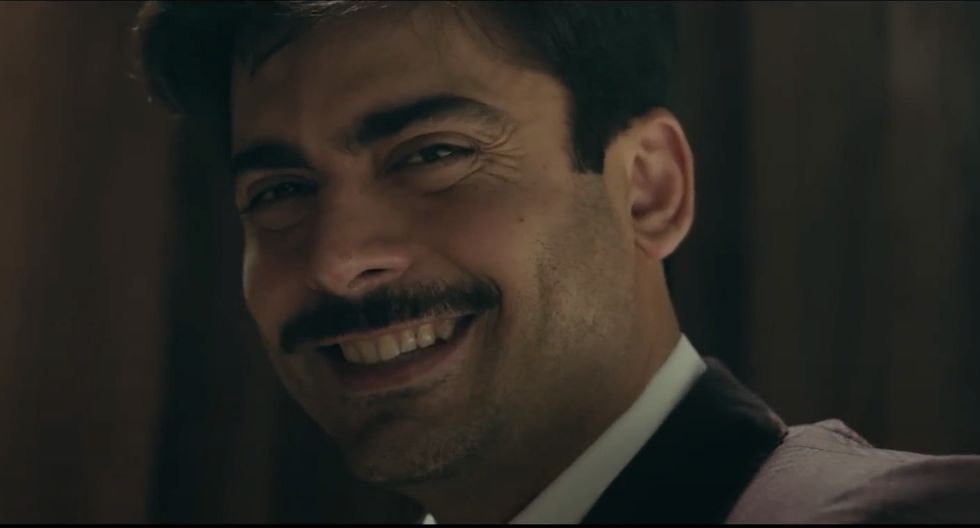 Money Back Guarantee
 Homebound
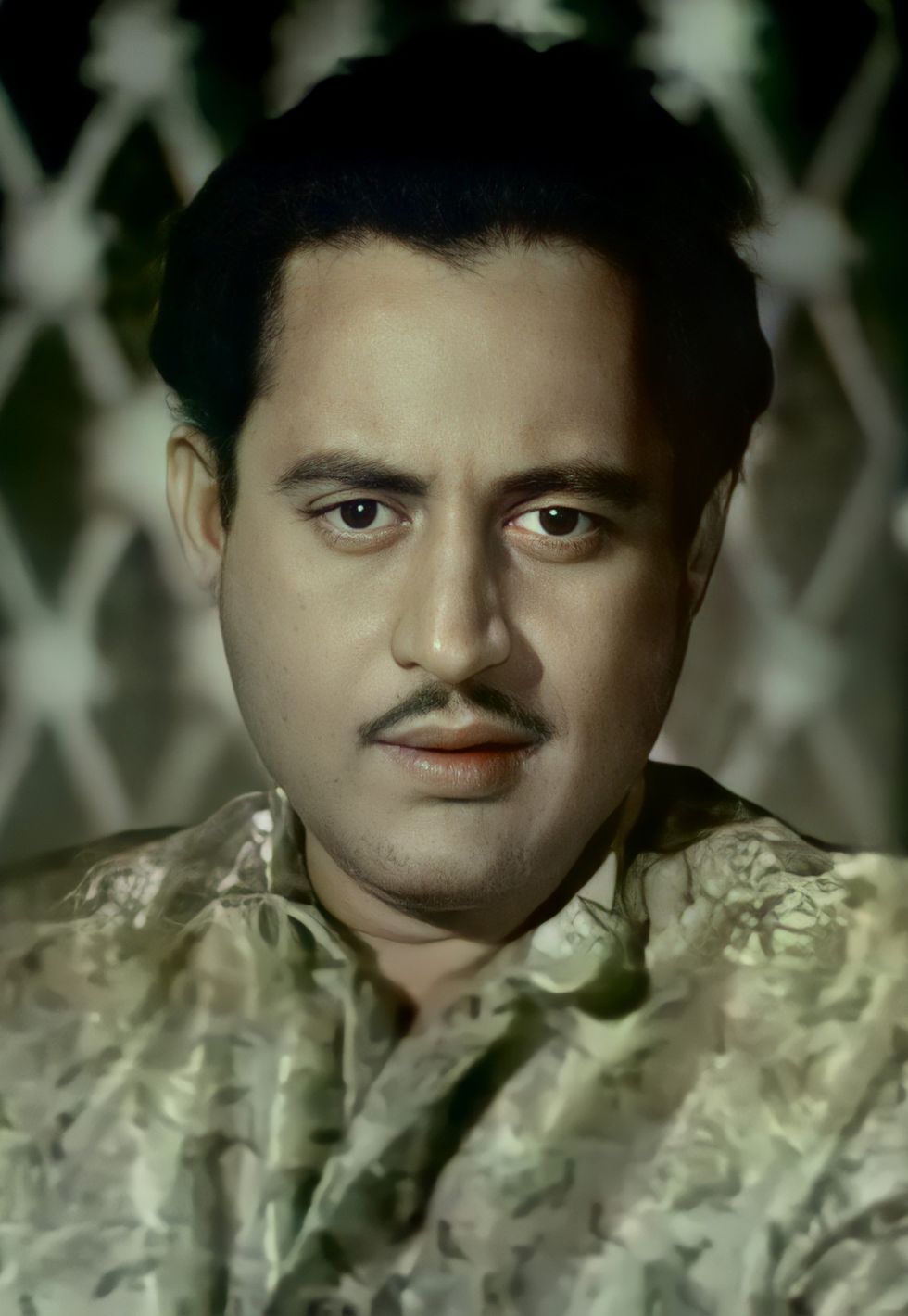 Guru Dutt in Chaudhvin Ka Chand
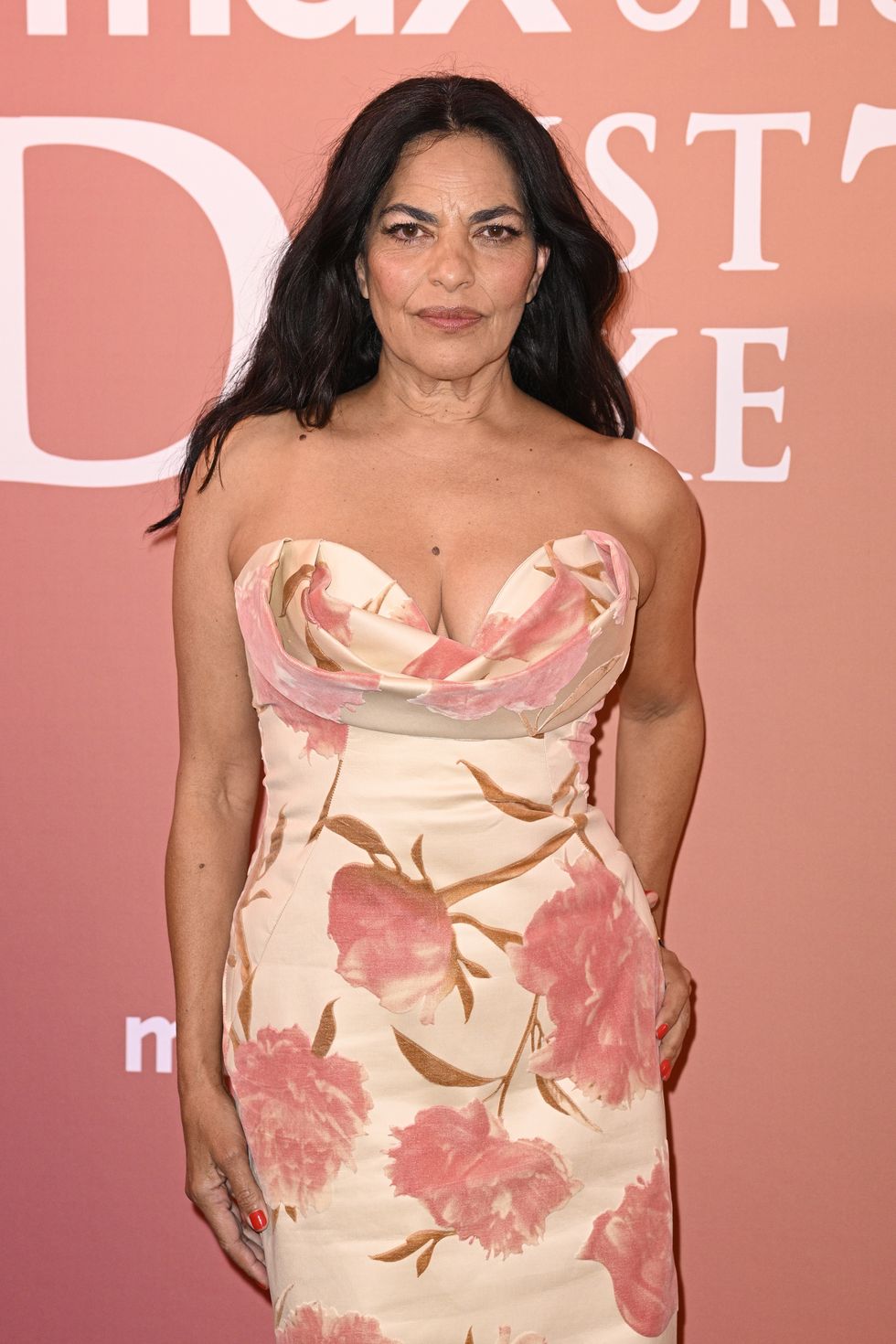 Sarita Choudhury
 Detective Sherdi