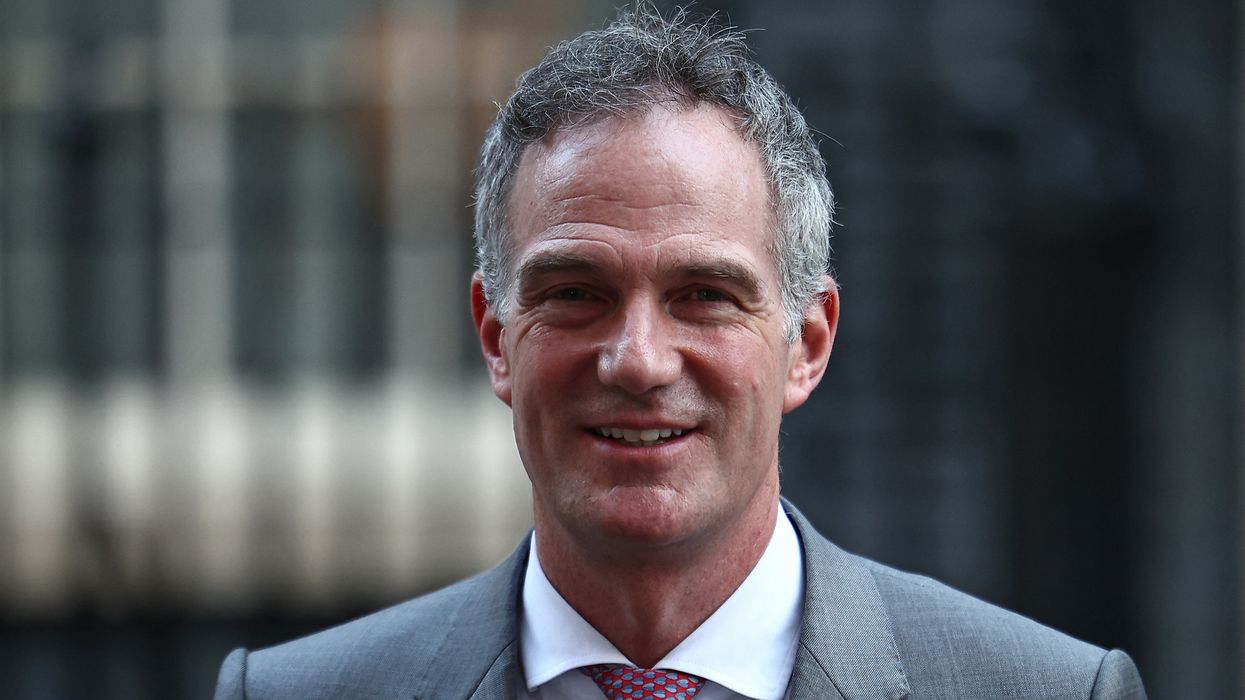

BUSINESS and trade secretary, Peter Kyle, on Monday (24) admitted he was worried over news that some of the country’s super-rich, including Indian billionaire steel tycoon Lakshmi N Mittal, are leaving the UK as a result of tax rises.
Kyle was asked by Sky News about a media report last weekend, which revealed that Mittal’s tax residency has shifted to Switzerland, and that the industrialist plans to relocate to Dubai amid a growing tax burden in the UK. The news came days ahead of chancellor Rachel Reeves’ second budget, which is expected to impose further taxes across the board to address an estimated £20 billion hole in the UK’s finances.
“I am worried whenever somebody feels they have to leave the UK in order to succeed,” responded Kyle, to a question about Mittal’s proposed exit.
“We’ve gone through a period where thousands of doctors have left the country.
What I don’t want to do, as a country, is focus only on the billionaires, because there are other people who have needed to leave as well.
“There are people starting businesses that have gone to America in their droves, because they haven’t had the funding to succeed – that’s something that we’re fundamentally stopping the need for by re-capitalising the markets,” he said.
Pressed on whether the government conceded that it was Labour’s taxation regime that is causing the exodus of the super-rich, he replied: “I do. I’m not going to duck the fact that we have put up taxes, and we’ve closed some of the loopholes for non-doms. Some people are going to leave because they are here, because of how the old non-dom system worked.”
The non-dom system refers to a now closed policy that allowed overseas nationals living in Britain to register as non-domiciled in the UK for tax purposes, which prevented them being charged at a higher rate of tax in the UK.
In her first budget last year, Reeves scrapped this policy effective from April 2025, and it is believed that around half of the wealthy UK residents registered as non-doms have decided to leave Britain since that major policy announcement.
However, Kyle insisted that “there are other people who are coming to this country because of the excitement in our economy at the moment”.
The Sunday Times (23) reported last weekend that Rajasthan-born Mittal, founder of ArcelorMittal steelworks and the UK’s second richest Asian, is among several entrepreneurs leaving the UK.
Reports of Mittal’s relocation from the UK follow others, including tech entrepreneur and investor Herman Narula. The 37-year-old, who has lived and grown up in England since the age of two, recently revealed his plans to shift to Dubai.