
Highlights
- Widely praised for performances, especially Meryl Streep returning as Miranda Priestly
- Critics note its updated take on a changing fashion and media landscape
- Reactions remain mixed, with questions over repetition and relevance
A familiar world, slightly reshaped
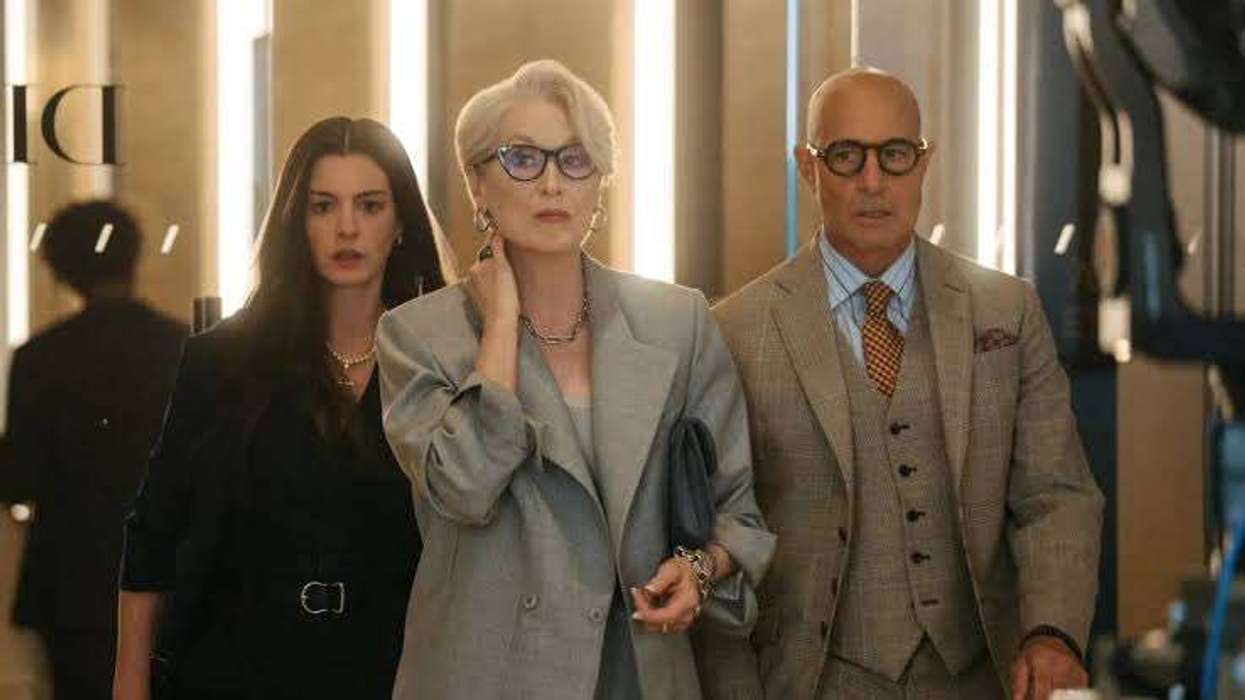
With The Devil Wears Prada 2, the story returns to Runway nearly two decades on, bringing back Anne Hathaway, Emily Blunt and Stanley Tucci alongside Meryl Streep’s commanding Miranda Priestly. Early reviews largely agree on one point: the cast remains the film’s strongest asset. Streep’s performance, once again, is described as precise and controlled, anchoring the film even when the narrative feels less certain.
Critics also point to the film’s attempt to reflect a changed industry. Runway is no longer defined by excess alone, but by shrinking budgets, digital pressures and a younger audience shaping trends. Miranda is shown adapting to this shift, even if reluctantly, while Andy re-enters a world she once left behind.
Style intact, but questions remain
Across reviews, there is clear appreciation for the film’s tone and presentation. It retains the polished look, quick dialogue and insider humour that made the original memorable. Familiar beats return, from workplace tensions to high-fashion set pieces, giving the sequel an easy sense of continuity.
However, many critics highlight how closely the story follows the structure of the first film. Andy’s journey once again revolves around compromise and ambition, while the dynamics within Runway feel recognisable rather than newly developed. Subplots, particularly romantic ones, are often described as underwhelming, adding little weight to the central narrative.
Emily’s rise to a position of power introduces a shift, but even this development tends to echo earlier rivalries rather than fully redefine them. The result, according to several reviews, is a film that feels comfortable revisiting old ground.
Enjoyment without full conviction
Despite its limitations, The Devil Wears Prada 2 is widely described as entertaining. Much of that comes from the ease between the returning cast and the familiarity of its setting. Moments of humour and character interaction still land, and the film carries a sense of confidence in its own appeal.
At the same time, the sequel has prompted debate about whether it adds enough to justify its return. While it reflects changes in the fashion and publishing industries, its core ideas about ambition, identity and compromise remain largely unchanged.
The overall response settles somewhere in between. Critics recognise its charm and craft, but stop short of calling it essential. Like its central character, the film moves forward with confidence, even if not everyone is convinced it is heading somewhere new.