
TATA STEEL, the UK’s largest steel producer, said its products are being used in the ambitious Dogger Bank Wind Farm infrastructure.
It said hundreds of tonnes of its products will be used in the first two phases of what will be the world’s largest offshore wind farm when completed in 2026.
Steel made in the company’s Port Talbot plant and processed into hollow sections at its Corby and Hartlepool sites is being fabricated by a contract firm for the wind farm.
Tata Steel’s UK arm chairman Sandip Biswas said his company’s efforts are supporting jobs and manufacturing in the country.
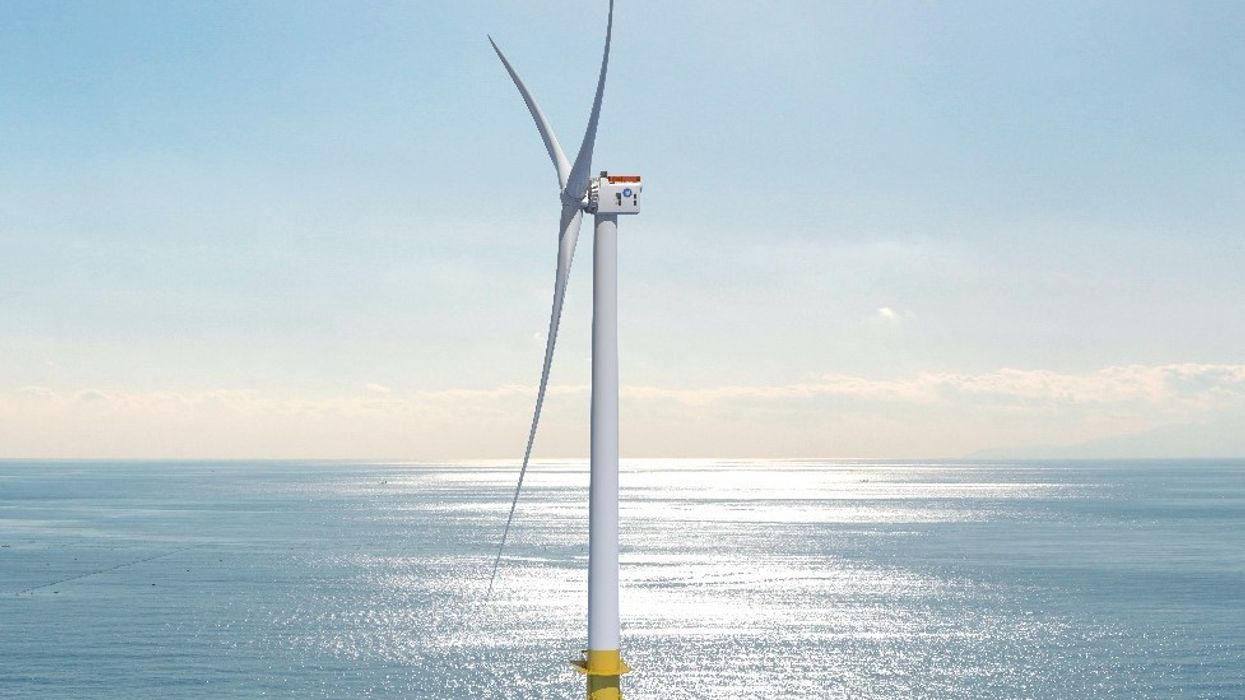
According to the Mumbai-headquartered company, wind turbines will sit on foundations featuring its products used in “safety-critical” transition pieces.
“These steel structures form the junction between the tower above the surface of the sea and the foundations below the water,” it said.
The 3.6 GW wind farm is being built in three equal phases of 1.2 GW in the North Sea, 130 km off the northeast coast of England.
Ireland’s SSE Renewables is the lead operator for the development and construction of the wind farm, while the Norway-based Equinor will run the project which has an expected operational life of around 35 years.
Fabrication companies Sif and Smulders were awarded contracts to provide the wind turbine foundations for the first two phases of Dogger Bank in November 2020, with Dogger Bank C awarded a year later.