

Highlights
- Tanisha Zaman says becoming a Miss Great Britain London finalist has helped heal childhood insecurities.
- The youth activist entered pageantry to become the role model she never had for British Bangladeshi girls.
- She believes authenticity, not appearance, should define beauty and warns that social media is fuelling low self-esteem among young people.
For Tanisha Zaman, becoming one of the only openly British Bangladeshi and Muslim finalists in Miss Great Britain London is about much more than competing for a crown.
The 20-year-old youth activist sees the pageant as an opportunity to challenge beauty standards, encourage young women to embrace their individuality and prove that representation can change the way people see themselves.
Speaking to Eastern Eye, Zaman reflected on growing up feeling she did not fit conventional ideas of beauty, why she chose pageantry as a platform for change and the legacy she hopes to leave beyond the competition.
'It heals something within eight-year-old Tanisha's soul'
Zaman admits she never imagined she would one day stand on a beauty pageant stage.
Growing up in East London, she often felt caught between two worlds. She recalls being considered "too dark", "too tall" and "too stocky" to fit beauty ideals within both the British Bangladeshi community and wider society.
"I was never deemed as beautiful within the Bangladeshi community, but neither in the British community," she said.
Reaching the Miss Great Britain London final has become a deeply personal milestone.
"To get this far in what is essentially a beauty contest, it heals something within eight-year-old Tanisha's soul."
Becoming the role model she never had
The decision to enter pageantry was shaped by the young women Zaman mentors through her organisation, Tanisha's Talent, which supports working-class and South Asian girls across London with confidence, public speaking and leadership skills.
She recognised many of them were battling the same insecurities she had experienced growing up. At the same time, she realised there were few public role models who reflected their backgrounds and experiences.
"So I thought I need to put myself out there and really be that role model for them, because if I wasn't going to do it, I'm not sure who was," she said.
Her conversations with young women have also highlighted the conflicting expectations placed on British Bangladeshi women. While they are encouraged to excel academically, many are simultaneously warned not to become "too ambitious" or "too intellectual" because it could affect their marriage prospects.
Zaman said she has heard those messages herself from people close to her and believes they continue to discourage women from pursuing their full potential.
"You are good enough no matter what you do and you won't please everyone throughout your life," she said, urging young women to stop measuring their worth through other people's expectations.
Redefining beauty through authenticity
Although beauty pageants are often criticised for placing too much emphasis on appearance, Zaman believes they can also become platforms for changing perceptions.
She plans to wear a burkini during the swimwear segment of the competition, saying beauty should never be determined by how much skin someone reveals. Instead, she hopes judges and audiences will recognise qualities such as kindness, confidence and character.
"Beauty comes in so many different shapes and forms. You can have a beautiful face, of course, but you can also have a beautiful soul and a beautiful mind," she said.
Zaman also wants to challenge assumptions about British Bangladeshi Muslim women, arguing that many ambitious women remain invisible because they are discouraged from speaking publicly.
"There are so many people exactly like me," she said. "The whole reason why we don't see them as much is because they're not allowed to be as vocal as I am."
That message extends to social media, which she believes plays a growing role in shaping how young people see themselves. While online platforms can provide positive role models, she said heavily filtered content, cosmetic procedures and unrealistic lifestyles have contributed to what she describes as entrenched low self-esteem.
"I want to show how I authentically am," she said, explaining why she increasingly shares content without heavy makeup. Later in the conversation, she summed up her definition of beauty in one word: "Authenticity."
A platform beyond pageantry
Winning Miss Great Britain is not Zaman's end goal.
She hopes to expand her political advocacy, work with local authorities on programmes for young people and continue campaigning for greater equity within British Bangladeshi communities. She is also keen to encourage more women to pursue careers in politics, leadership and public life without feeling constrained by cultural expectations.
"I'd love to see more British Bangladeshi women being vocal, being influencers, being politicians, being just intellectual, not limiting themselves," she said. "I'd love to be a role model... where you can say, 'Well, Tanisha did it, so I can do it as well.'"
For Zaman, Miss Great Britain is not simply about representation on a pageant stage. It is about ensuring the next generation of young British Bangladeshi women grow up believing they do not have to change who they are to be recognised, respected or celebrated.



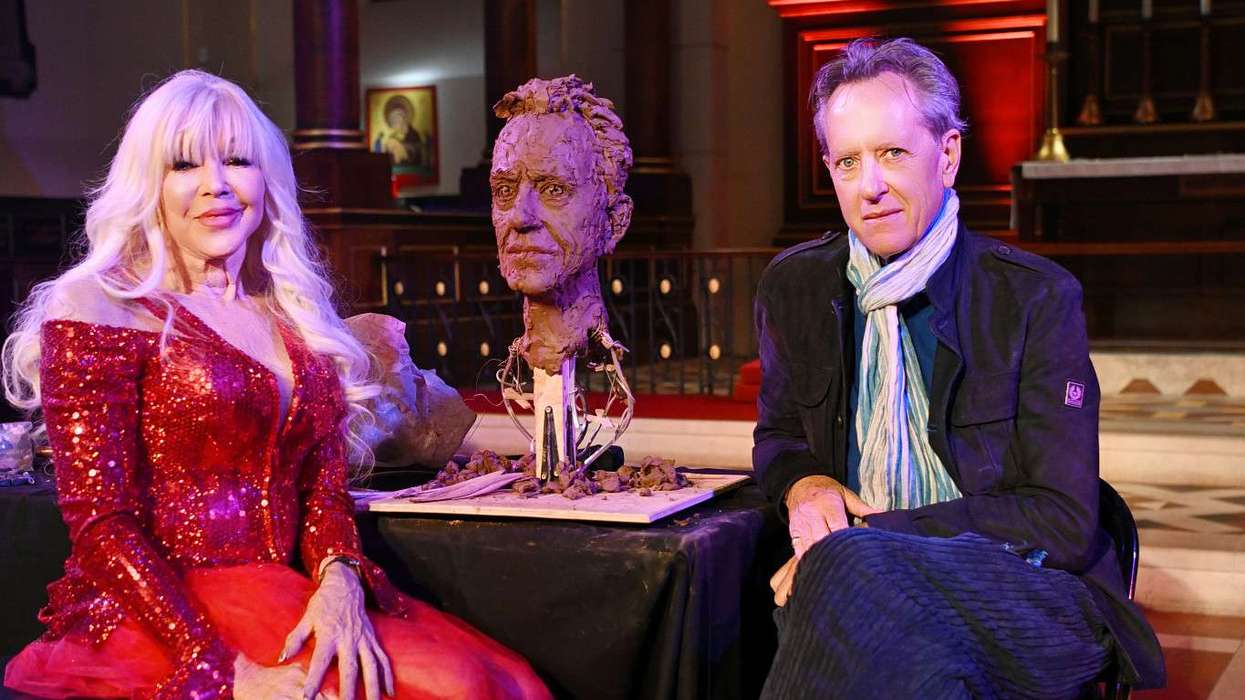
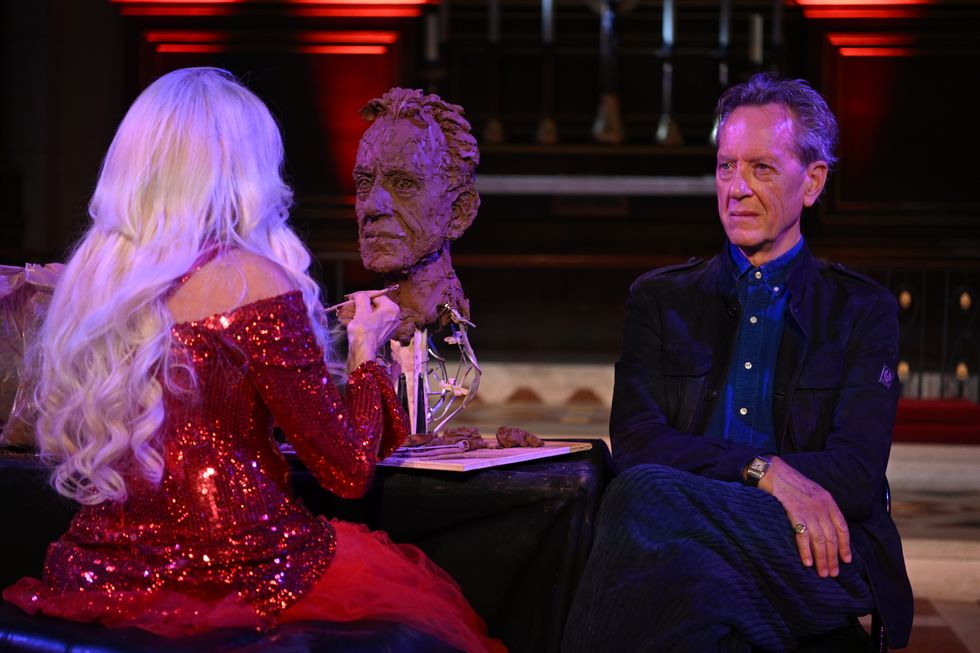 Frances Segelman makes bust of Richard E GrantSophie Dunne
 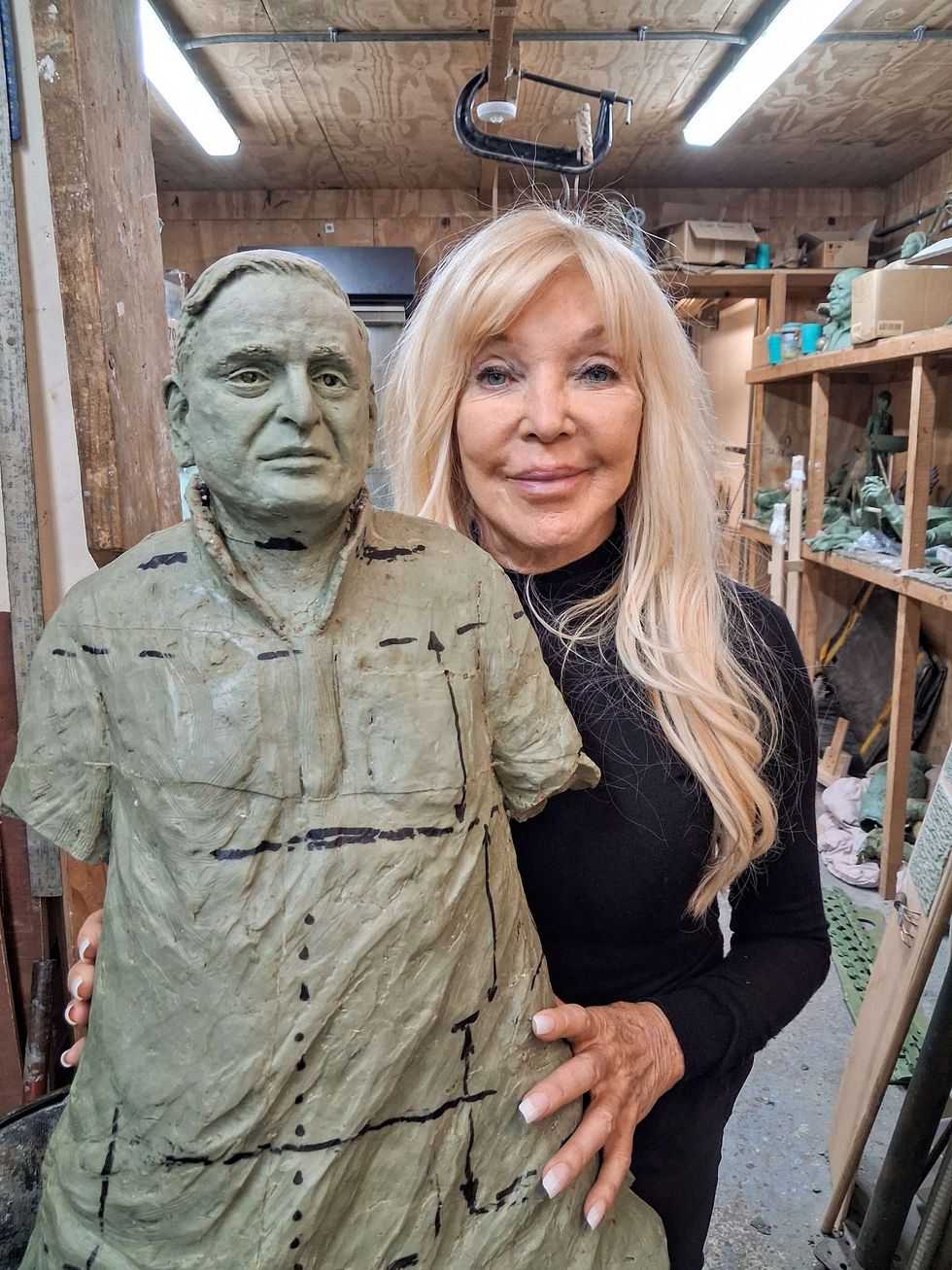 Frances Segelman with maquette of Mulayam Singh Yadav Sophie Dunne
 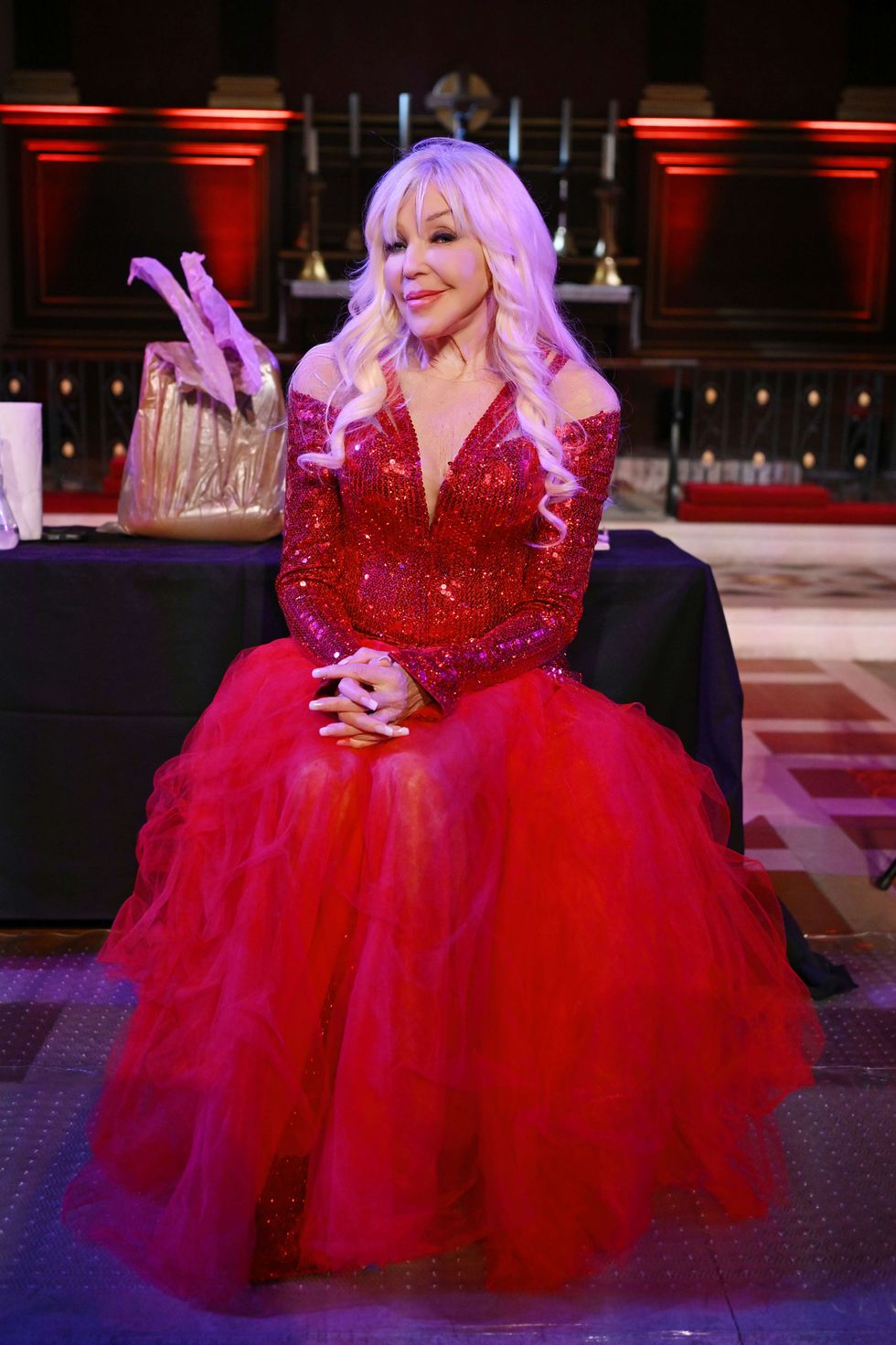 Frances Segelman was dressed by KruszynskaSophie Dunne
  Frances Segelman live sculpting Richard E Grant in Actors' Church in Covent Garden.Sophie Dunne