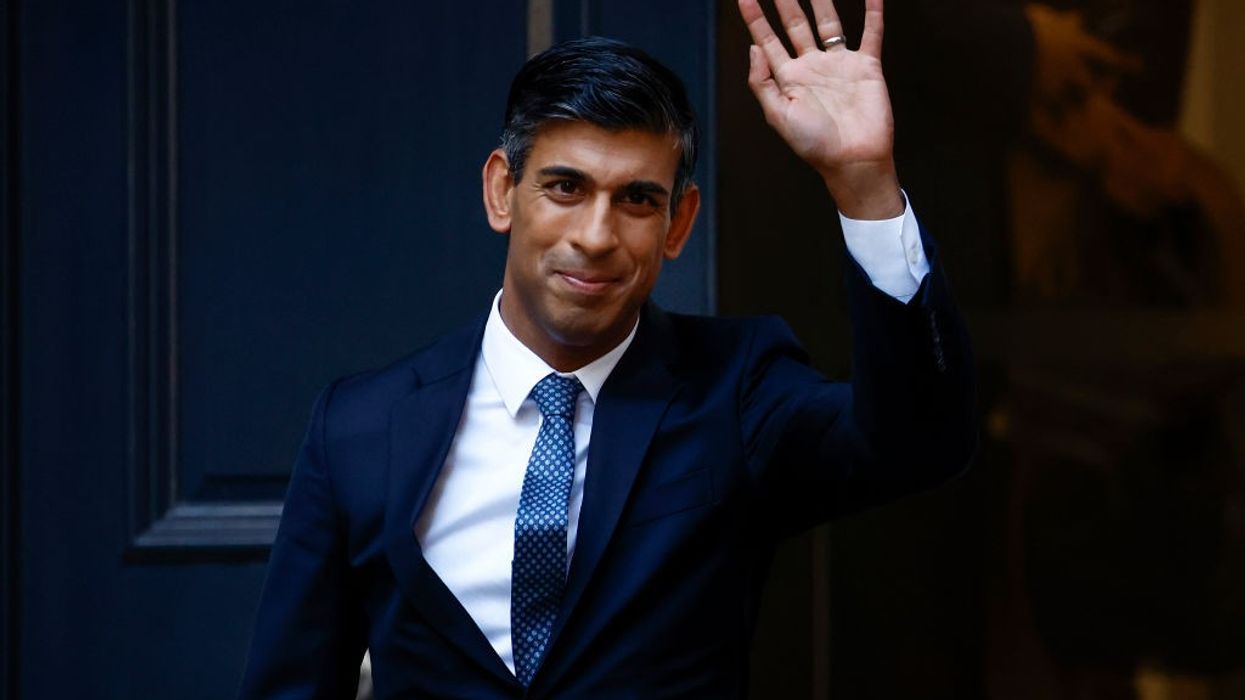

British prime minister Rishi Sunak wants to ensure that all school pupils in England study some form of maths to the age of 18.
Sunak will set out his priorities for 2023 on Wednesday (4), using his first speech of the year to try to reassure his restive Conservative Party that he has what it takes to lead them into the next national election.
Billed by his Downing Street office as a speech to set out his priorities for the year ahead and ambition for a better future for Britain, Sunak, 42, will set out his commitment to deliver for the long term on issues such as low numeracy rates.
"This is personal for me. Every opportunity I've had in life began with the education I was so fortunate to receive," he will say.
"And it's the single most important reason why I came into politics: to give every child the highest possible standard of education... With the right plan - the right commitment to excellence - I see no reason why we cannot rival the best education systems in the world."
In excerpts of the speech released on Tuesday (3) evening, his office gave away little more about his plans beyond introducing maths to all students up to age 18 to improve poor numeracy, described by the OECD as affecting "particularly large proportions of adults in England".
After one failed attempt at becoming prime minister last year, Sunak took on the job after his predecessor, and one-time rival, Liz Truss was forced from power in October after just 44 days when markets rejected her unfunded tax-cutting plans.
Since then, he has faced a myriad of problems - thousands of workers have gone on strike to protest over pay, the health service is in crisis, inflation is hovering around 40-year highs and economists see Britain slipping into a long recession.
Wednesday's speech will be as much a statement of intent as a reply to critics who doubt whether the man, who failed to win against Truss in the Conservative leadership race in September, has what it takes to help the party win the next election.
But Sunak, who has emphasised his humble beginnings to combat those who criticise the former hedge fund partner's wealth, is sure to go further to set out how he will reach the goals he set out on New Year's Eve on Twitter.
Then he said he wanted people to feel pride in their country, to be less anxious about inflation, energy bills and the National Health Service, and to trust in fairness, something he said could be achieved by tackling illegal migration.
The speech will not come too soon for those in his governing Conservative Party who see little chance of winning the next election, expected in 2024.
With the opposition Labour Party holding a strong lead in opinion polls, some Conservative lawmakers and ministers have for weeks called on their leader to act and set out his vision to try to pull Britain out of its tailspin.
(Reuters)





 Vijay with friend and racer Ajith KumarPhoto: X