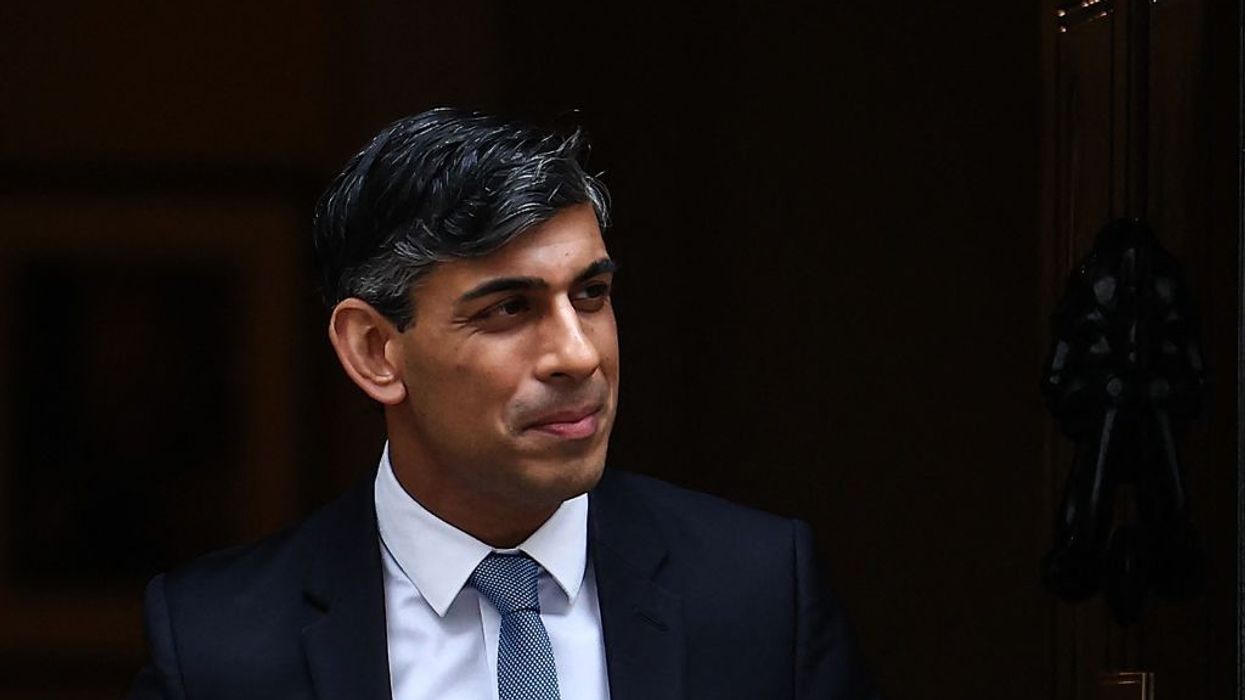

PRIME MINISTER Rishi Sunak called a national election on Wednesday (22), naming July 4 as the date for a vote his governing Tories are widely expected to lose to the opposition Labour party after 14 years in power.
Ending months of speculation as to when he would call a new poll, Sunak, 44, stood outside his Downing Street office and announced he was calling the election earlier than some had expected, a risky strategy with his party behind in the polls.
"Now is the moment for Britain to choose its future," he said, listing what he considers to be the highlights of his time in government, including the introduction of the so-called furlough scheme that helped businesses through the Covid-19 pandemic. "We will have a general election on July 4."
Sunak heads into the election not only far behind the Labour in the polls but also somewhat isolated from some in his party, increasingly dependent on a small team of advisers to steer him through what is set to be an ugly campaign.
But he seems to have decided with some economic gains, such as inflation falling and the economy growing at its fastest pace in almost three years, now was the time to take a risk and present his agenda for a new term formally to voters.
The former investment banker and chancellor took office less than two years ago, and since then has struggled to define what he stands for, becoming increasingly frustrated that what he sees as his successes have failed to be appreciated.
Both parties have all but kicked off campaigning for an election, with the attack lines on the economy and on defence already firmly drawn.
Sunak and his government accuse Labour of being poised to increase taxes if in government and that the party would not be a safe pair of hands for Britain in an increasingly dangerous world as it lacks a plan, charges the opposition denies.
Labour accuses the government of 14 years of economic mismanagement, leaving people worse off, with a series of chaotic administrations that have failed to give the stability businesses have craved to spur economic growth.
If Labour win the election, Britain, once known for its political stability, will have had six prime ministers in eight years for the first time since the 1830s.
Labour 'ready for a vote'
Labour said before the announcement it was more than ready for an election.
"We are fully ready to go whenever the prime minister calls an election. We have a fully organised and operational campaign ready to go and we think the country is crying out for a general election," Labour leader Starmer's spokesperson told reporters.
Starmer kicked off his party's election campaign last week by pledging to "rebuild Britain", setting out the first steps he said Labour would take if it forms the next government.
Labour is running about 20 percentage points ahead of Sunak's Tories in the opinion polls but some party officials are concerned their advantage is not as solid as it appears, fearing many voters remain undecided.
Sunak might be aiming to capitalise on that uncertainty and also to wrongfoot Labour, which has still to complete the selection of all its parliamentary candidates, a party veteran said.
Sunak will also hope that some economic gains and the first flights in his centrepiece immigration plan of sending illegal asylum seekers to Rwanda might also boost his party's fortunes. The earliest possible date for those flights is June 24, 10 days before the election.
While some Tories welcomed the move to call an election, not all were happy.
"Death wish 2024," said one TorySunak says Labour will raise taxes, harm national security lawmaker on condition of anonymity.
(Reuters)