Sri Lankan president Gotabaya Rajapaksa has prorogued the parliament for one month and fixed January 3, 2020 for the commencement of the next session.
The parliament should have met on Tuesday, according to the schedule.
President Gotabaya Rajapaksa issued a special gazette notification effective at midnight Monday noticing that parliament would be reconvened on January 3.
"The President is constitutionally empowered to do so," officials said.
He is expected to make a ceremonial address at the reopening on January 3, during which he will outline his new government's policies, they added.
Gotabaya Rajapaksa was sworn in as Sri Lanka's seventh President on November 18 after he defeated the ruling party candidate Sajith Premadasa by more than 13 lakh votes, marking the return of the powerful Rajapaksa dynasty known for its pro-China tilt.
His party lacks the working majority in the 225-member assembly and ending the session will give him freedom to rule without opposition from lawmakers.
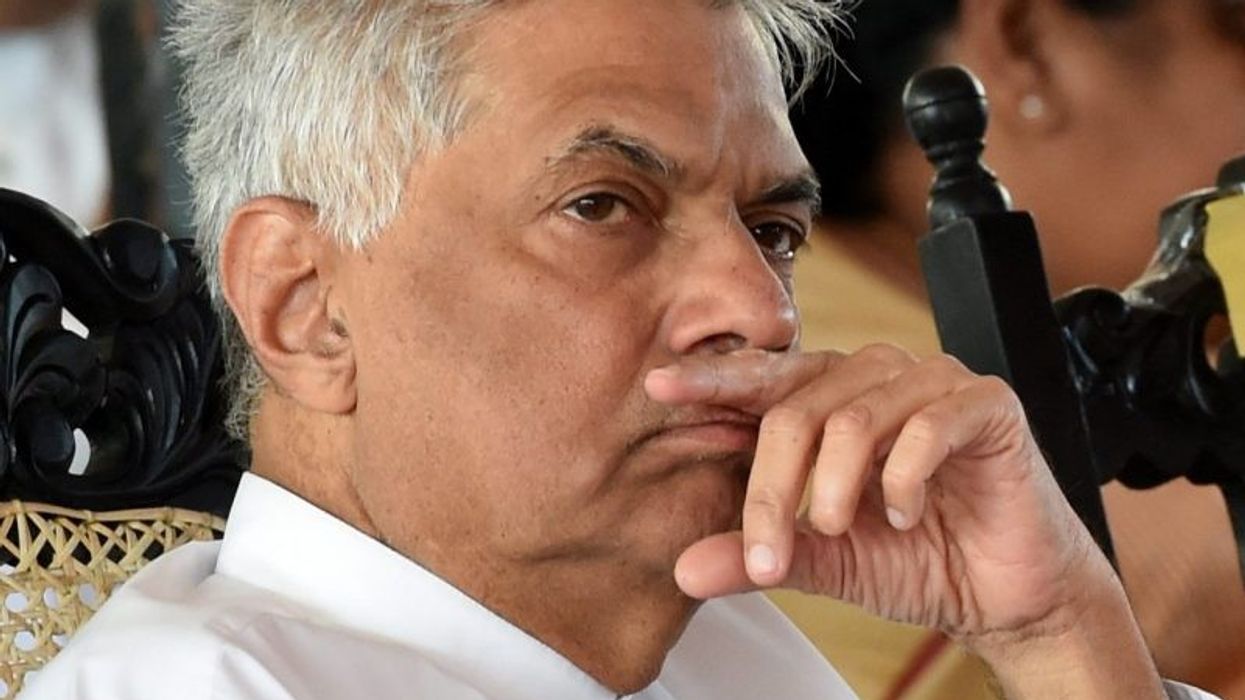
Gotabhaya Rajapaksa named his elder brother and former strongman Mahinda Rajapaksa as the new prime minister after incumbent Ranil Wickremesinghe resigned from the post following the election debacle.
The 74-year-old leader will function as the prime minister of the caretaker cabinet until the general election in August 2020.
Wickremesinghe and his allies, who command majority in the House, are not expected to challenge the government and they would continue until the next parliamentary election which can be held anytime after end of February.
President Goatabaya Rajapaksa said he would conduct a snap parliamentary poll at the first available opportunity.
The president could issue another order delaying the next session for two more months past January 3. In March, the president can legally dissolve Parliament and call an election.
(PTI)