
SRI LANKA's central bank said on Wednesday (26) it was counting on the IMF releasing a $350 million (£266m) loan instalment to bolster foreign reserves owing to a surge in vehicle imports since a five-year ban was lifted in February.
Governor Nandalal Weerasinghe said he was hopeful of receiving the sixth tranche of a $2.9 billion (£2.2bn), four-year bailout agreed in early 2023 as part of a deal to support the island's tottering economy.
"With the IMF instalment and other funding, we expect an inflow of about $750m (£570m) next month," Weerasinghe told reporters in Colombo after a review of the economy.
Officials imposed a raft of import restrictions in 2020 when the country was running out of foreign exchange.
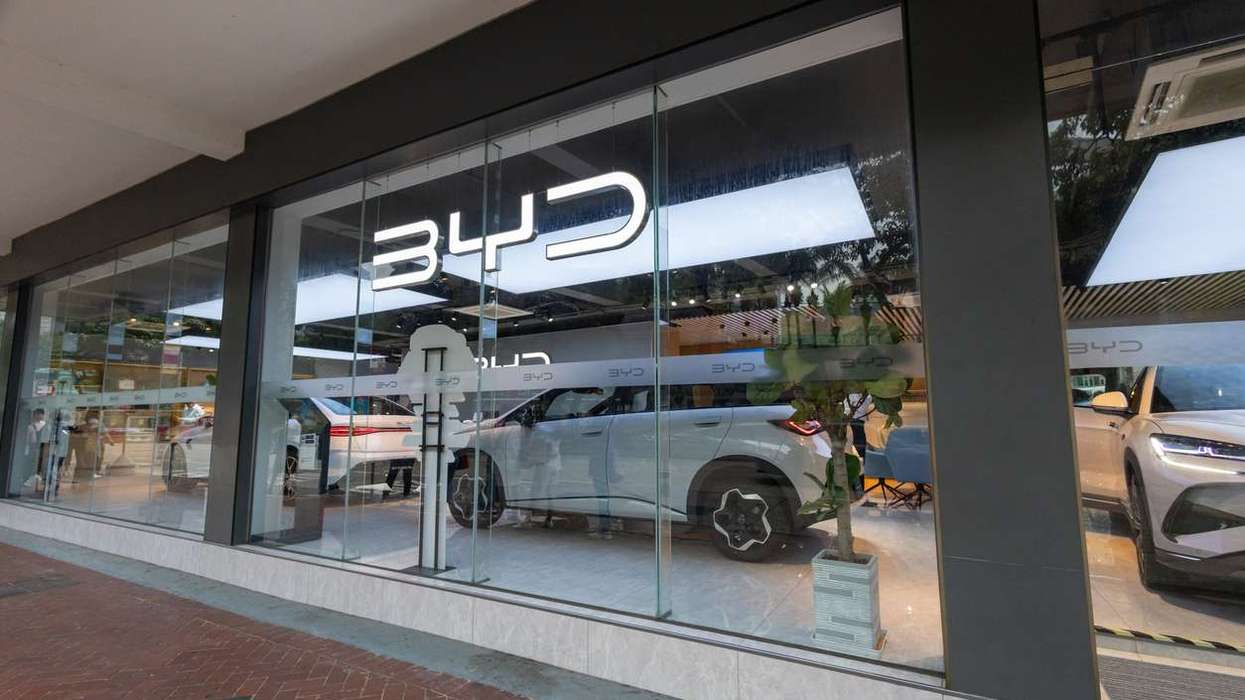
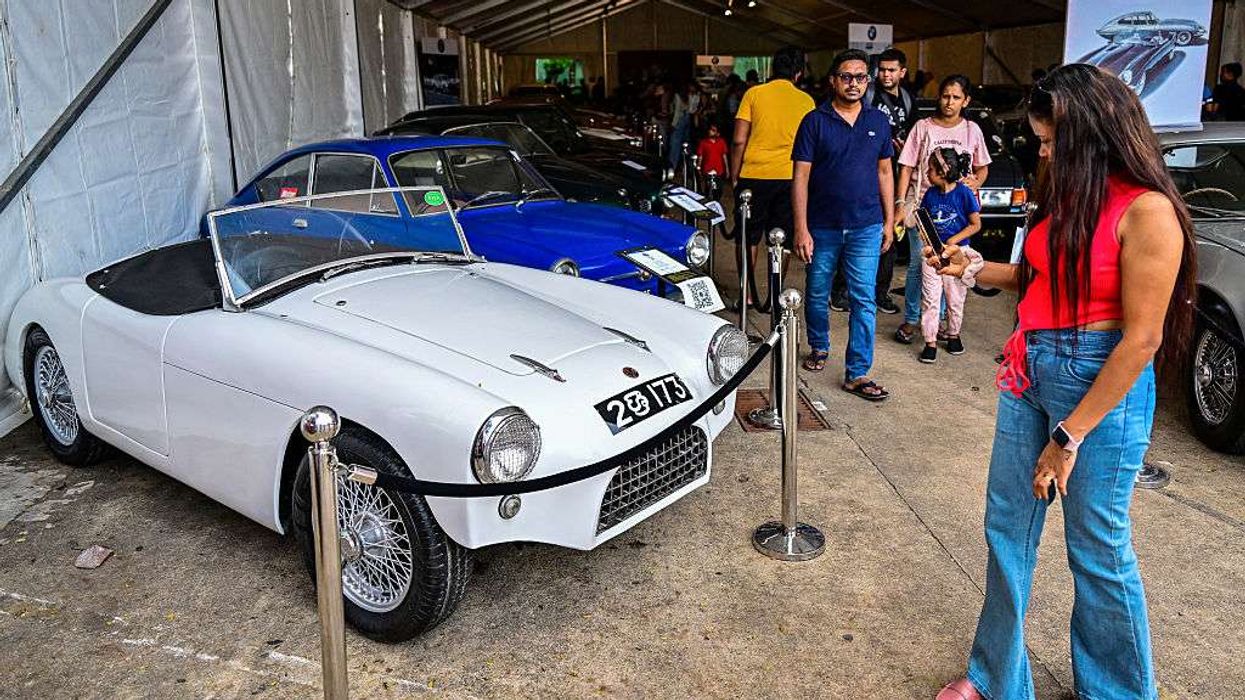
The government lifted the ban on vehicle imports in February, sparking a huge splurge by Sri Lankans.
Weerasinghe said about $1.2bn (£912m) had been spent on bringing in cars between February and September, far more than expected.
"We are seeing the pent-up demand easing since July and next year we won't have the same level of vehicle imports," he said.
Following an unprecedented default on its $46bn (£35bn) external debt in 2022, Colombo negotiated a bailout in early 2023, subject to reforming its economy in line with IMF-dictated ausbterity.
The country's rupee currency has depreciated five per cent against the US dollar this year, while the central bank expects inflation to accelerate to five per cent by the end of the year, from 2.1 per cent in October.
The IMF announced a staff-level agreement last month on releasing the next instalment of the loan, but it is subject to board approval.
The Washington-based Fund expects Sri Lanka's growth to remain strong and noted that revenues had improved thanks to taxes on the imported vehicles.
The World Bank, however, has warned that the recovery is "uneven and incomplete", with many households yet to regain livelihoods lost during the 2022 economic meltdown.
(AFP)