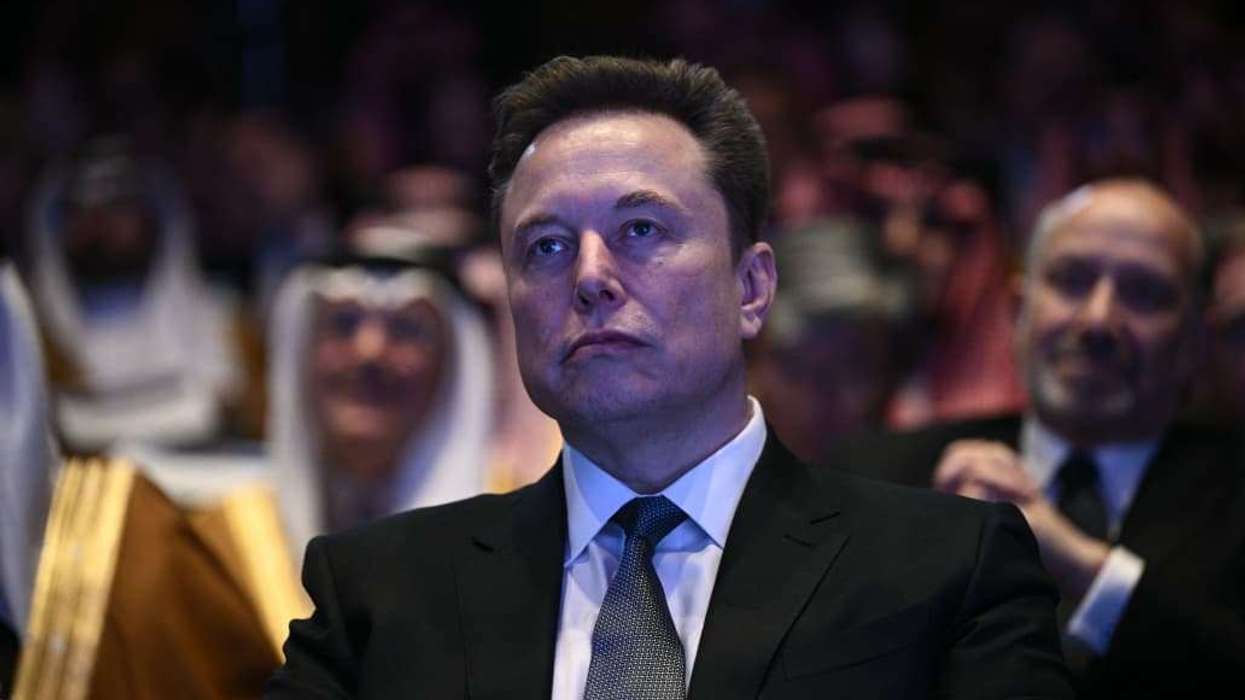

- SpaceX and Tesla have formed independent committees to explore a possible merger, with Musk saying the idea has merit but is not certain to happen.
- A combined business could bring electric vehicles, rockets, satellites, AI and robotics under one corporate roof, but investors would need to assess how the deal is structured and priced.
- Tesla shareholders would face a major decision over whether the potential benefits justify the risks of joining a much broader business empire.
Elon Musk’s proposal to combine SpaceX and Tesla could reshape the electric carmaker’s future, giving it closer access to rocket technology, satellite connectivity and artificial intelligence infrastructure. But for Tesla investors, the central question is whether the merger would create lasting value or expose the company to new financial and governance risks.
Musk said on Tuesday (20) that both companies had established special committees of independent directors to examine a possible tie-up. He supports the idea, citing opportunities to cooperate on AI software, chip design, robotics and connectivity. However, he cautioned investors against treating a merger as inevitable. The committees have yet to agree on transaction terms, and any proposal would need shareholder approval.
Reuters reported that the companies were discussing a possible combination that could involve SpaceX acquiring Tesla, although the structure remains undecided. Their combined value has been estimated at around $3.5 trillion, based on current valuations, rather than an agreed price for a transaction.
What could Tesla gain?
The strongest argument for a merger is that Tesla and SpaceX are increasingly working in areas that overlap.
Tesla is developing electric vehicles, autonomous driving systems, batteries and humanoid robots. SpaceX operates rockets and the Starlink satellite network, while expanding its AI computing business. Bringing the companies together could make it easier to share technology, infrastructure and investment.
One area of potential cooperation is chip manufacturing. Musk has discussed Terafab, a planned semiconductor project, as part of the companies’ ambitions to develop computing capacity for AI and robotics. SpaceX’s proposed Starmind orbital computing constellation and Starlink connectivity could also support future applications, although their commercial and technical prospects remain uncertain.
The companies already collaborate on technology. Tesla’s recently unveiled Roadster, for example, is expected to incorporate SpaceX thruster technology in some versions. A merger could formalise such cooperation and potentially reduce the time and expense involved in developing products separately.
Yet these ambitions do not automatically translate into better returns for Tesla shareholders. Investors would need to understand how much capital the combined company plans to commit to rockets, satellites, chip facilities and AI infrastructure, and whether those investments would generate returns that justify their cost.
What are the risks for investors?
The biggest immediate issue is the price and structure of any deal. Tesla shareholders would need to assess the value of SpaceX, the terms on which Tesla would be combined with it, and whether they would receive a fair share of the merged business.
A merger could also change Tesla’s risk profile. The carmaker’s investors would gain exposure to SpaceX’s launch and satellite operations, but also to its large spending commitments and ambitious long-term projects. SpaceX reported capital expenditure of $19.6 billion in the third quarter, while forecasting a further increase in spending in the following quarter. The figures underline the scale of investment involved in its expansion.
Governance is another concern. Musk is a major shareholder and chief executive of both companies, but said he could not participate in the special committees’ discussions because of a conflict of interest. Independent directors are examining the proposal, and shareholders would ultimately have to approve it.
Tesla investors would also need to consider whether the combined company’s priorities would remain balanced. A larger business spanning cars, space, satellites and AI could offer more opportunities, but it could make the company harder to value and leave shareholders with less direct exposure to Tesla’s core automotive operations.
For now, the merger remains exploratory. The committees must reach an agreement on terms before investors can judge whether the potential strategic benefits outweigh the financial and governance risks. Musk’s enthusiasm may set the direction of the discussion, but the decision will depend on what the companies put before their shareholders.