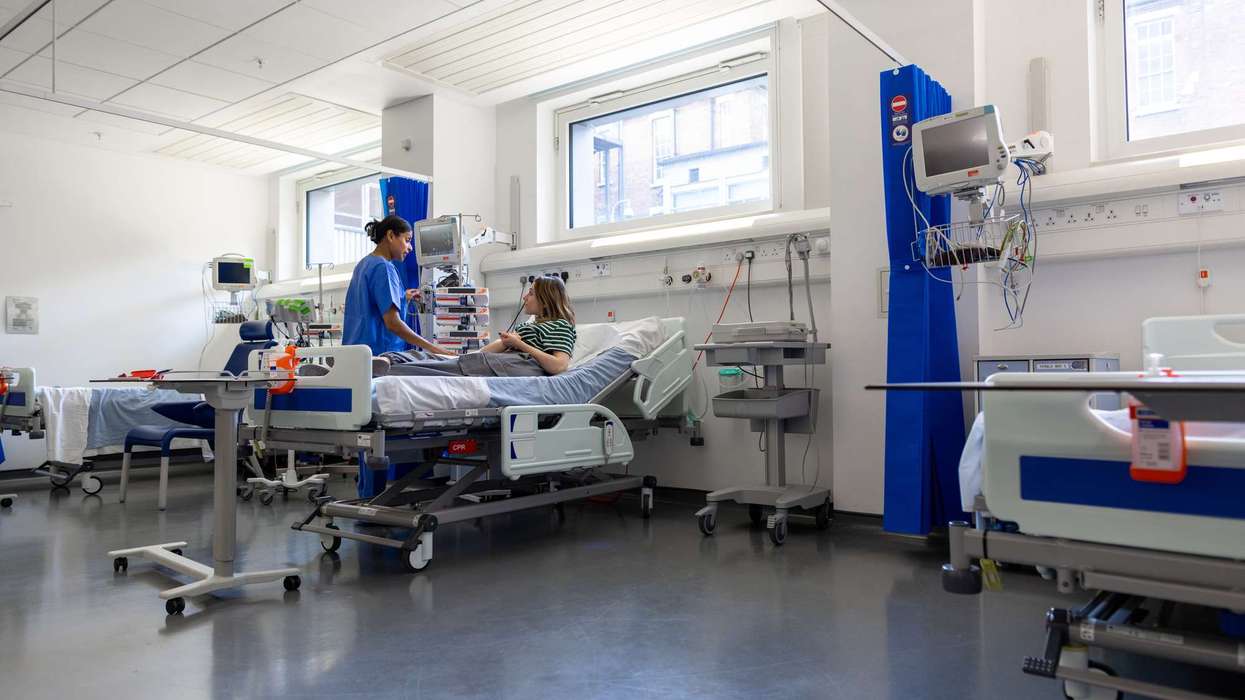
SOME ethnic minority groups in Britain were relatively less badly affected in the second wave of Covid-19 than they were in the first, a government report into the disproportionate impact of the pandemic on minorities said on Friday (26).
The quarterly report has previously found that the increased risk to ethnic minorities from Covid-19 is largely driven by factors such as living circumstances and profession.
Disparities have improved for some ethnic groups including black Africans, black Caribbean, Chinese and Indians, the latest report found, highlighting that ethnicity or genetics are not in themselves inherent risk factors.
"The latest data shows that this is not a one-size-fits-all situation. Outcomes have improved for some ethnic minority groups since the first wave, but we know some communities are still particularly vulnerable," said minister for equalities Kemi Badenoch.
The report found that there remained a higher risk of infection for Pakistanis and Bangladeshis after adjustment for other factors, adding that the reasons for this were not yet clear.
Although some disparities remain, the government highlighted the work being done to tackle the disproprortionate impact of Covid-19 on black and ethnic minority groups, including working with broadcasters in a range of different languages and funding grassroots advocates to promote awareness.
As well as being at higher risk from Covid-19, there is also evidence that vaccine hesistancy is higher in ethnic minority groups.
The government said that only 49 per cent of black or black British adults reported that they were likely to have the vaccine and cited data showing approximately 60 per cent of black people over 70 had been vaccinated compared to 75 per cent of south Asians and 90 per cent of white people.
"There is light at the end of the tunnel, and as the vaccine rollout continues, I urge everyone who is offered one to take the opportunity, to protect themselves, their family, and their community," Badenoch said.