
The International Energy Agency (IEA) announced on Thursday (25) that investment in clean energy is projected to further surpass spending on fossil fuels in 2023.
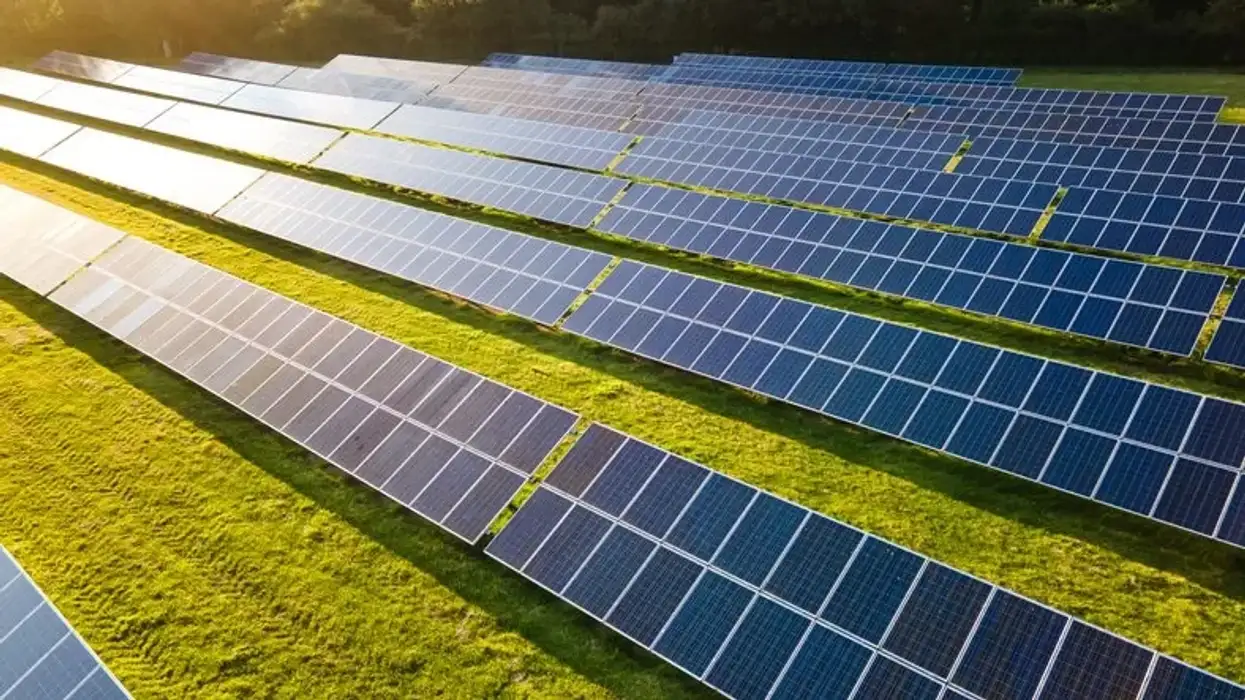
This shift is anticipated to be particularly evident in solar projects, which are expected to exceed investments in oil production for the first time in history.
The IEA's statement underscores the growing prominence and momentum of clean energy investments as the world strives to transition towards more sustainable and renewable energy sources.
The Paris-based energy watchdog in its World Energy Investment report indicates that annual investment in renewable energy has increased by nearly a quarter since 2021, while fossil fuel investment saw a 15% rise.
Most of the clean energy spending, approximately 90%, originates from advanced economies and China.
However, this highlights a significant global divide between wealthy and poorer nations, as investment in fossil fuels remains at double the levels necessary to achieve net-zero emissions by mid-century.
"Clean energy is moving fast – faster than many people realise," said IEA Executive Director Fatih Birol.
"For every dollar invested in fossil fuels, about 1.7 dollars are now going into clean energy. Five years ago, this ratio was one-to-one."
In 2023, global energy investment is projected to reach approximately $2.8 trillion, with over $1.7 trillion earmarked for renewables, nuclear power, electric vehicles, and efficiency enhancements.
The remaining portion, roughly $1 trillion, will be allocated to oil, gas, and coal.
Notably, demand for coal is expected to reach an all-time high, equivalent to six times the level required in 2030 to achieve net-zero emissions by 2050.
The IEA emphasises that current spending on fossil fuels exceeds the necessary amount to attain the net-zero goal by 2050.
The agency also said there is a need for a significant reduction in fossil fuel investments to align with the objectives of reaching net-zero emissions.
By 2023, daily spending on solar power is expected to exceed $1 billion, reaching approximately $380 billion annually.
"This crowns solar as a true energy superpower. It is emerging as the biggest tool we have for rapid decarbonisation of the entire economy," energy think tank Ember's head of data insights, Dave Jones, said in a statement.
"The irony remains that some of the sunniest places in the world have the lowest levels of solar investment."
According to the IEA, investment in new fossil fuel supply is expected to increase by 6% in 2023, reaching a total of $950 billion.
However, the IEA did not explicitly restate its previous influential projection from 2021, which advised investors against funding new projects related to oil, gas, and coal supply if the world aims to achieve net-zero emissions by mid-century.
The Organization of the Petroleum Exporting Countries (OPEC) has expressed disagreement with the IEA's call to halt investments in oil, citing concerns over global energy security and economic growth.
In contrast, scientists and international climate activists have repeatedly warned that the fossil fuel industry exacerbates the disastrous impacts of climate change.
(Reuters)