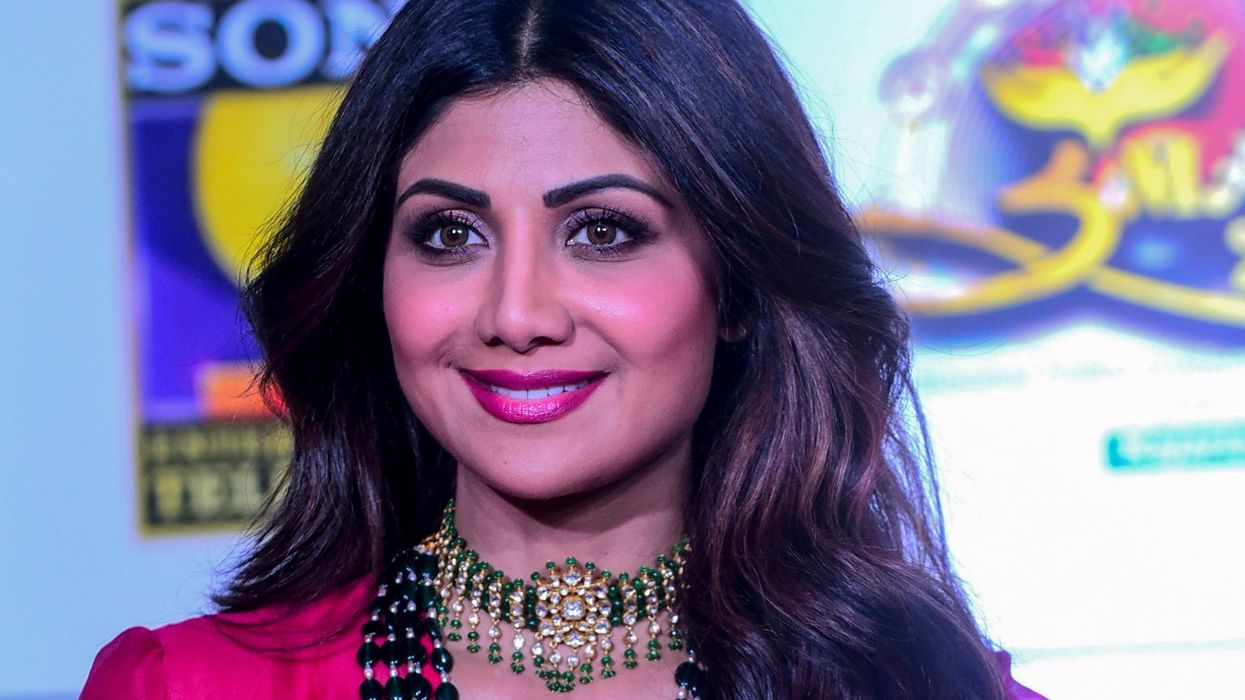

Shilpa Shetty’s last film as a lead was the 2007 release Apne. The actress later featured in dance numbers like films like Dostana (2008) and Dishkiyaoon (2014), and she has been judging many reality shows.
However, now, she is all set to make her acting comeback with Hungama 2 which is slated to release on Disney+ Hotstar on 23rd July 2021.
Recently, while talking to PTI, Shilpa revealed that she was offered 'some major stuff' in Hollywood, but refused to star in it as she didn’t want to shift her base from Mumbai to Los Angeles.
She said, "My son was extremely upset with me because I was offered some major stuff even in Hollywood, but I said no to it. To just shift base from Mumbai and settle in Los Angeles is really not my cup of tea."
"I'm clear about what I want. I love doing work here. It's a great opportunity lost, but I'm so happy with whatever I have. I'd be so unhappy to just leave my family and shift gears so drastically. It's too much to give and I don't think I was ready for that. Maybe once my kids are 15, then I would (consider) if I still look this way!" the actress added.
Shilpa’s fans will get to see her in a movie after a gap of 14 years, and the actress says that it was a conscious decision to take a break.
She said, "I had reached a saturation point, which happens to a lot of artistes. After Life in a Metro and Apne, people started offering me the same kind of roles. They were not really interesting and I stayed away and took that sabbatical."
One of the reasons for the break was also her family. Shilpa welcomed her first child, Viaan, in 2012, and the actress says that she decided to dedicate all her time to her son.
The actress said, "Soon after, I had Viaan. I had decided when I would have my first child, I would dedicate all my time to the baby. I was told the first seven years of a child are extremely important, they are highly impressionable. So I made that time. My family was, is, and will continue to be my first priority."
"That's why it has taken me 14 years to say yes (to a film). My son is now nine, I feel he doesn't need me as much. My daughter does. But I'm thankful to be in a position to say yes to only those few things that I really want to do and be in a position to balance my personal and professional life," she added.
Directed by Priyadarshan, Hungama 2 also stars Paresh Rawal, Meezaan Jafri, and Pranitha Subhash.