
Highlights
- The Supreme Court ordered five influencers to pay £2,800 each for ignoring directives related to disability awareness.
- Comedians were strongly criticised for prioritising monetised commercial speech over the dignity of vulnerable groups.
- Judges warned that the penalty could surge to £28,300 if the creators continue to disregard court instructions.
- The Bench called for tighter online regulations, including Aadhaar-based access controls, to restrict the monetisation of sensitive content.
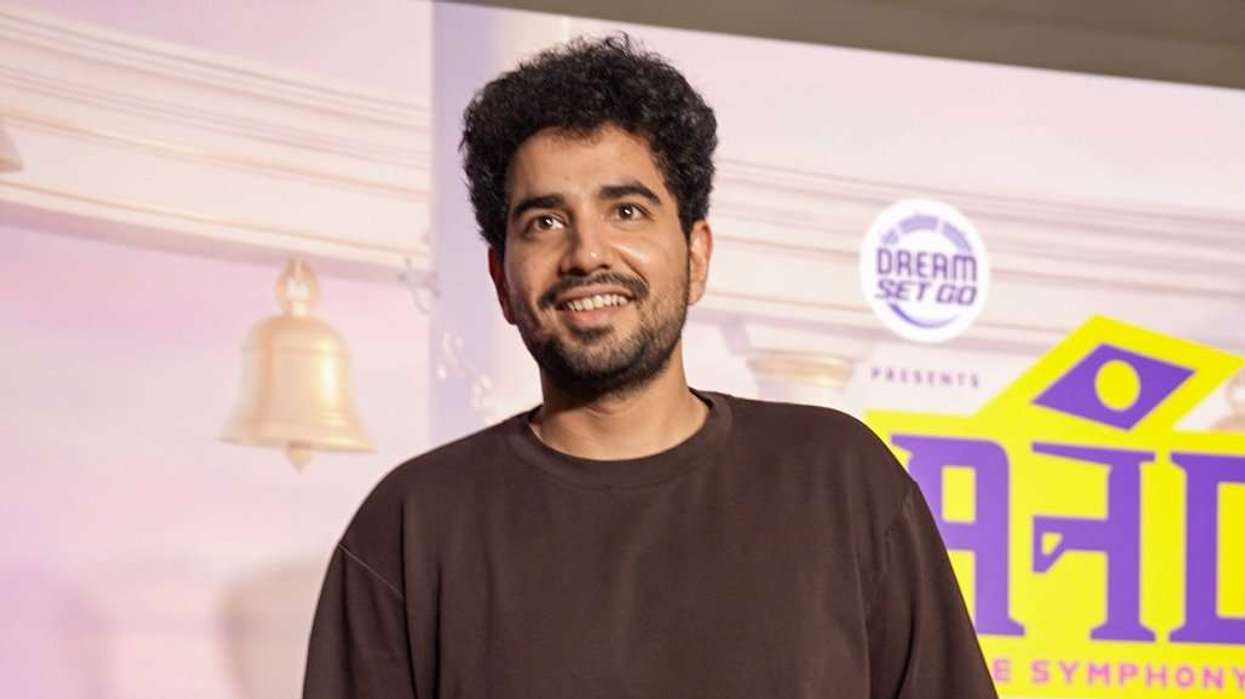
The pursuit of internet virality has clashed directly with judicial standards of basic human respect, as India's highest court penalised five digital creators for failing to honour their own commitments. On Tuesday, the Supreme Court imposed financial penalties on comedian Samay Raina and four fellow internet personalities. The ruling stems from a case involving offensive remarks about Spinal Muscular Atrophy (SMA) and physical disabilities broadcast on the reality show India's Got Latent, signalling that the judiciary will not tolerate the monetisation of discriminatory content under the guise of entertainment.
A failure to honour commitments
A Bench led by Chief Justice Surya Kant, alongside Justices Joymalya Bagchi and V. Mohan, ordered Mr Raina, Sonali Thakkar, Vipul Goyal, Balraj Paramjit Singh Ghai, and Nishant Jagdish Tanwar to pay £2,800 in costs each. The penalty was issued after the group ignored an August directive to host people with disabilities on their digital platforms twice a month and actively raise funds for children with rare disorders. Chief Justice Kant remarked that the creators were in "brazen violation" of their previous undertakings, stating that Mr Raina appeared to have taken the court for a ride.
False claims and financial shortcuts
The situation deteriorated for the influencers when the court was incorrectly informed that a compliance affidavit had been filed, despite no such document existing on the record. Furthermore, senior advocate Aparajita Singh, representing the Cure SMA India Foundation, confirmed that Mr Raina had entirely failed to contact the charity or invite disabled individuals onto his programmes. The Bench reprimanded the group for giving the impression they were attempting to "buy out" the victims instead of engaging with them genuinely. The judges questioned how the creators could justify using another person's disability to exercise a right to commercial speech while trampling on the fundamental right to dignity.
The threat of escalating penalties
Though the Supreme Court initially considered imposing a much harsher fine of £9,400 per person, it ultimately settled on the £2,800 figure while delivering a strict ultimatum. The Bench made it clear that continued non-compliance would result in the penalty jumping to £28,300. Counsel for the comedians assured the court that the directives would be followed moving forward. In addressing the wider issue of unregulated digital broadcasting, the Chief Justice also urged the Union government to implement stronger regulatory frameworks to manage sensitive material without crossing into censorship, noting that creators cannot rely on free speech protections when their content humiliates others.