
- Sam Altman said early fears around AI-driven job losses may have been exaggerated.
- The OpenAI chief admitted white-collar job disruption has been slower than expected since ChatGPT launched in 2022.
- Altman said human interaction remains difficult for AI systems to fully replace.
Sam Altman has said fears of an AI-driven “jobs apocalypse” may have been overstated, admitting that the technology has not eliminated white-collar jobs at the scale he once expected after the launch of ChatGPT.
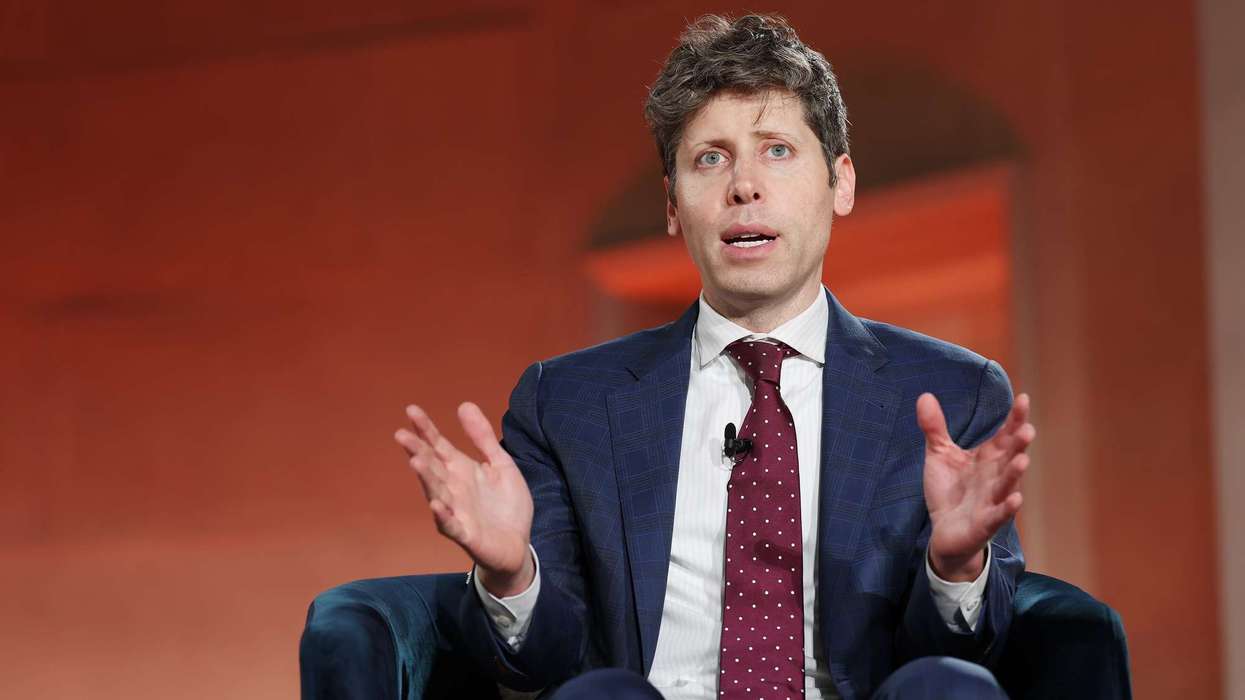
Speaking virtually at a conference hosted by Commonwealth Bank of Australia in Sydney on May 27, Altman said he had initially believed artificial intelligence would rapidly wipe out a much larger number of entry-level office jobs.
Instead, he acknowledged the labour market impact has so far been more gradual and complex than many in the technology industry predicted.
“I’m delighted to be wrong about this,” Altman reportedly said during a discussion with CBA chief executive Matt Comyn.
He reportedly admitted OpenAI had been “roughly right” about the pace of AI development itself, but “pretty wrong” about the social and economic consequences surrounding employment disruption.
The comments mark a notable shift in tone from some earlier warnings coming out of the AI sector, where executives and researchers frequently suggested automation could rapidly replace large sections of administrative and knowledge-based work.
Human interaction still matters
Altman said part of the reason for the slower-than-expected disruption was the continuing importance of human interaction in many professional roles.
He reportedly described experimenting with AI-generated replies for his own Slack and email messages before eventually deciding to respond personally again.
According to Altman, the experience highlighted how much people still value direct human communication, even when AI systems are capable of producing efficient responses.
He reportedly said the experiment changed how he viewed the future of work and made him reconsider assumptions around how easily certain parts of employment could be automated.
The OpenAI chief added that while AI is increasingly being integrated into workplaces, the “human part” of many jobs remains difficult to replace fully.
AI disruption is still reshaping workplaces
Even so, the wider debate around AI and employment is far from settled.
A growing number of major companies, including HSBC, Amazon, Standard Chartered and Commonwealth Bank of Australia, have already acknowledged that some roles are being reduced, reshaped or automated through AI systems.
Altman did not provide specific employment figures during the discussion, although he has previously warned about the possibility of significant industry-wide job disruption as AI capabilities continue advancing.
At the same time, OpenAI itself is moving deeper into global expansion and commercial growth.
Reports in recent weeks have suggested the company is preparing confidential filings for a possible future stock market listing in the US, with some estimates reportedly valuing the company at around £740 billion ($1 trillion).
Still, Altman appeared keen to distance himself from some of the more extreme predictions around mass unemployment.
“I don’t think we’re going to have the kind of jobs apocalypse that some of the companies in our space advocate or talk about,” he reportedly said.
The remarks are likely to add fresh fuel to an already intense debate over whether AI will ultimately replace workers, reshape existing roles or simply become another workplace tool alongside human employees.
Also read: 7 Ways to Stay Relevant as AI Layoffs Rise at Work | EasternEye